






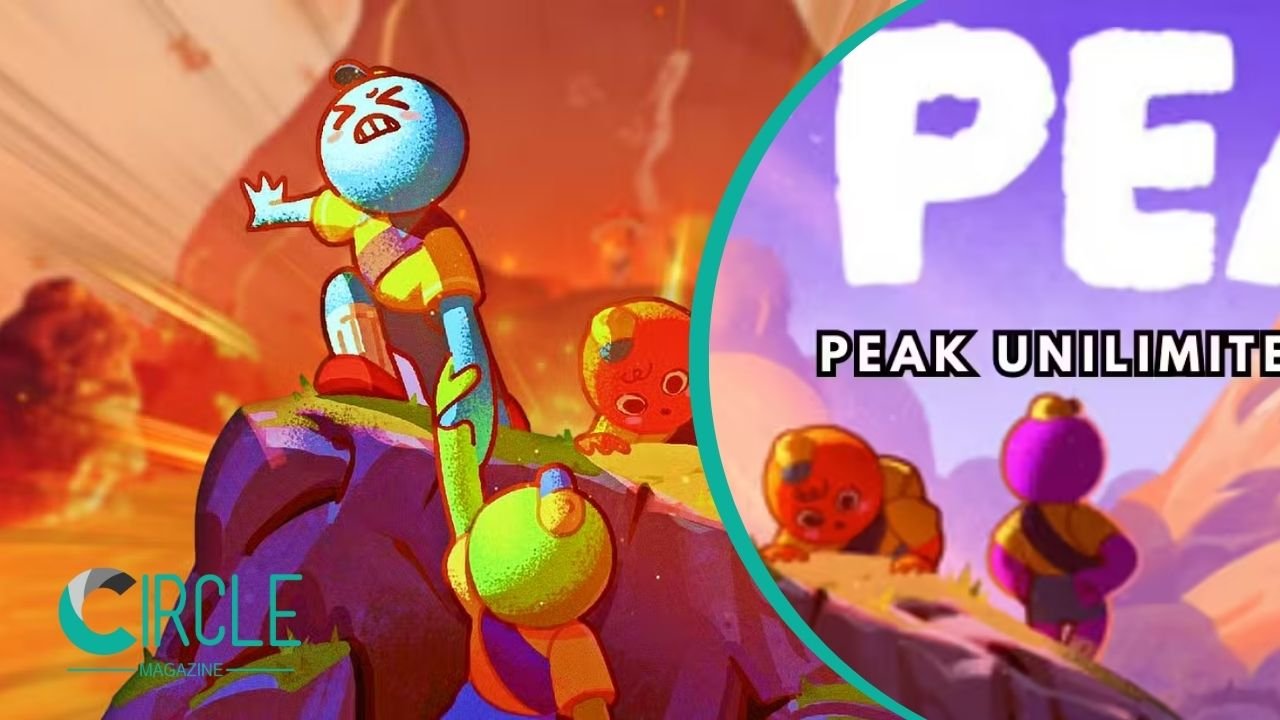
PEAK is a game that rewards patience, coordination, and skill rather than speed or combat. As it continues to gain popularity, many new players ask one important question before downloading or buying the game: how many people can play PEAK at the same time? Some players prefer tackling challenges alone, while others want to explore dangerous terrain with friends. Understanding PEAK’s solo and multiplayer structure helps players decide which mode best fits their playstyle. This article explains PEAK’s player limits, gameplay modes, and multiplayer options in detail so you can choose the best way to experience the game.
Quick Overview of PEAK Gameplay
PEAK focuses on climbing, movement precision, and environmental problem-solving. Unlike action-heavy games, PEAK emphasizes thoughtful decision-making and careful progress. Every movement matters, and mistakes can quickly end a run. The game supports both solo and cooperative play, allowing players to approach challenges alone or with a small group. Multiplayer adds communication and teamwork, while solo mode highlights personal skill and discipline.
What Is PEAK and How Does the Game Work?
PEAK is a cooperative climbing and exploration game where players attempt to scale hazardous terrain while managing stamina, balance, and positioning. The core mechanics revolve around climbing surfaces, planning routes, and responding to environmental obstacles. Players must analyze each situation before acting, as rushing often leads to failure. The game’s design encourages learning through repetition, making progress feel earned rather than handed out. Whether playing solo or with others, PEAK delivers a tense and rewarding gameplay loop.
How Many People Can Play PEAK in Solo Mode?
PEAK fully supports solo play, allowing one person to experience the entire game without teammates. Solo mode delivers a more intense and personal challenge, as every mistake directly impacts progress. There is no backup if a jump fails or stamina runs out. Many experienced players enjoy solo mode because it sharpens skills and deepens understanding of the game’s mechanics. Solo play also allows players to move at their own pace without coordinating with others.
How Many Players Are Supported in PEAK Multiplayer?
In multiplayer mode, PEAK supports up to four players in a single session. This four-player limit strikes a balance between cooperation and control. With four players, teams can assist each other, recover from mistakes, and plan routes more effectively without overcrowding the environment. The player cap keeps gameplay manageable and ensures that communication remains clear. Larger groups could disrupt PEAK’s precise movement system, which is why the game favors smaller teams.
Co-Op vs Multiplayer: What’s the Difference in PEAK?


Although many players use the terms interchangeably, co-op and multiplayer have slightly different meanings in PEAK. Multiplayer simply means more than one player is present, while co-op emphasizes teamwork toward shared objectives. PEAK’s multiplayer mode is designed entirely around cooperation. There is no competitive element between players. Success depends on coordination, communication, and patience. This cooperative focus makes PEAK ideal for players who enjoy shared problem-solving experiences.
Online Multiplayer Limits and Match Size
PEAK’s online multiplayer system limits match size to maintain stability and gameplay quality. Small match sizes ensure smoother performance, fewer connection issues, and better synchronization between players. Because PEAK relies on precise movement and timing, even small delays can impact gameplay. By limiting the number of players, the developers ensure that online sessions remain responsive and fair for everyone involved.
Local Play and Party Options in PEAK
PEAK primarily focuses on online multiplayer rather than local split-screen play. Most players connect remotely through online sessions, which allows friends from different locations to play together. While some players may prefer couch co-op, PEAK’s mechanics work best when each player has full control of their screen and camera. Online party options make it easy to invite friends and start private sessions without dealing with local hardware limitations.
Cross-Platform and Cross-Play Availability
Cross-play availability in PEAK depends on platform support and ongoing updates. Some versions of the game may allow players from different platforms to connect, while others restrict multiplayer to the same system. Cross-play significantly improves accessibility for friend groups using different devices. Players should always check the latest version notes or official announcements to confirm current cross-platform support before planning multiplayer sessions.
Does PEAK Support Private Lobbies or Custom Matches?
PEAK supports private lobbies or invite-only sessions, giving players control over who joins their game. This feature is ideal for friends who want a relaxed experience without random matchmaking. Private sessions allow teams to practice strategies, explore routes, and enjoy the game at their own pace. Custom matches also reduce pressure, making PEAK more accessible for new players learning the mechanics.
Performance and Server Limits for Multiplayer
Performance is a critical factor in PEAK’s multiplayer experience. The game depends on accurate physics, precise timing, and smooth synchronization between players. To maintain this level of performance, the developers limit player count and server load. This approach minimizes lag, desynchronization, and input delay. Stable performance ensures that failures feel fair and skill-based rather than caused by technical issues.
Best Way to Play PEAK With Friends
The best way to play PEAK with friends is through clear communication and role distribution. Teams often perform better when players assign responsibilities, such as route planning or support positioning. Voice chat helps teams react quickly to mistakes and coordinate movements. Playing patiently and supporting teammates leads to more consistent progress and a more enjoyable experience overall.
Common Misunderstandings About PEAK Player Limits
A common misunderstanding is that PEAK supports large multiplayer lobbies like traditional online games. In reality, the game intentionally limits player count to preserve its core mechanics. Another misconception is that solo play feels incomplete. PEAK’s solo mode offers the full experience, just with increased difficulty and personal responsibility. Understanding these design choices helps players set realistic expectations.
Future Updates and Possible Player Expansion
Future updates may introduce quality-of-life improvements, new content, or expanded cross-play support. However, major increases in player limits are unlikely due to PEAK’s gameplay design. The game’s mechanics rely on controlled environments and careful coordination. Developers are more likely to refine existing systems rather than expand match size in ways that could compromise gameplay balance.
Final Verdict: Is PEAK Better Solo or Multiplayer?
PEAK delivers a strong experience in both solo and multiplayer modes, but each appeals to different types of players. Solo mode emphasizes mastery, patience, and self-improvement. Multiplayer mode highlights teamwork, communication, and shared success. Neither mode is objectively better. The ideal choice depends on whether you prefer personal challenges or cooperative gameplay with friends.
Frequently Asked Questions (FAQs)
How many people can play PEAK at the same time?
PEAK supports one player in solo mode and up to four players in multiplayer mode.
Can PEAK be played solo without multiplayer?
Yes, PEAK is fully playable in solo mode and offers the complete experience.
Does PEAK support co-op gameplay?
Yes, PEAK’s multiplayer mode is cooperative and designed around teamwork.
Is PEAK multiplayer online or local?
PEAK focuses primarily on online multiplayer rather than local split-screen play.
Will PEAK allow more players in future updates?
Large increases in player limits are unlikely due to gameplay design constraints.
VISIT MORE : Circle Magazine