





Can one calm choice change the outcome of a serious emergency? Critical situations often feel loud, fast, and confusing, but a clear response can help protect lives and reduce panic.
Most people do not need to be medical experts to take useful action. They need simple steps, steady thinking, and enough knowledge to act before help arrives.
This article explains how to respond effectively when severe incidents demand quick attention, safer choices, and confidence under pressure.
Stay Calm and Check Safety
The first step in any critical situation is to pause and look around. A quick safety check helps you avoid becoming another person who needs help. Watch for traffic, fire, broken glass, violence, or anything else that could cause more harm.
Staying calm does not mean moving slowly. It means making smart choices before rushing in. Take a breath, speak clearly, and focus on the most urgent danger first.
Call for Help Early
Emergency services should be contacted as soon as a serious situation is clear. Give the location, explain what happened, and describe the person’s condition. Stay on the line until the dispatcher says it is okay to hang up.
Ask someone nearby to call if you are giving care. Point to one person and give a direct instruction, so there is no confusion. Clear commands help people act faster instead of waiting for someone else to move.
Control Serious Bleeding
Severe bleeding can become life threatening very quickly. Apply firm pressure to the wound with clean cloth, gauze, or clothing. Keep steady pressure in place and avoid checking the wound too often.
Training can make this response easier during a real emergency. A First Aid for Bleeding Certification teaches people how to recognize serious bleeding and respond with safer steps. Knowing what to do can reduce fear and help you act with purpose.
Support the Person Until Help Arrives
Once immediate danger is managed, keep the person as still and comfortable as possible. Speak in a calm voice and explain what you are doing. Reassurance can lower panic and help the person feel less alone.
Watch for changes in breathing, alertness, skin color, or pain. Share those changes with emergency responders when they arrive. Small details can help professionals understand what happened and what care may be needed next.
Keep Learning Before Emergencies Happen
The best emergency response starts before an emergency occurs. Basic first aid knowledge helps you notice danger faster and choose better actions. It also helps you avoid common mistakes caused by panic.
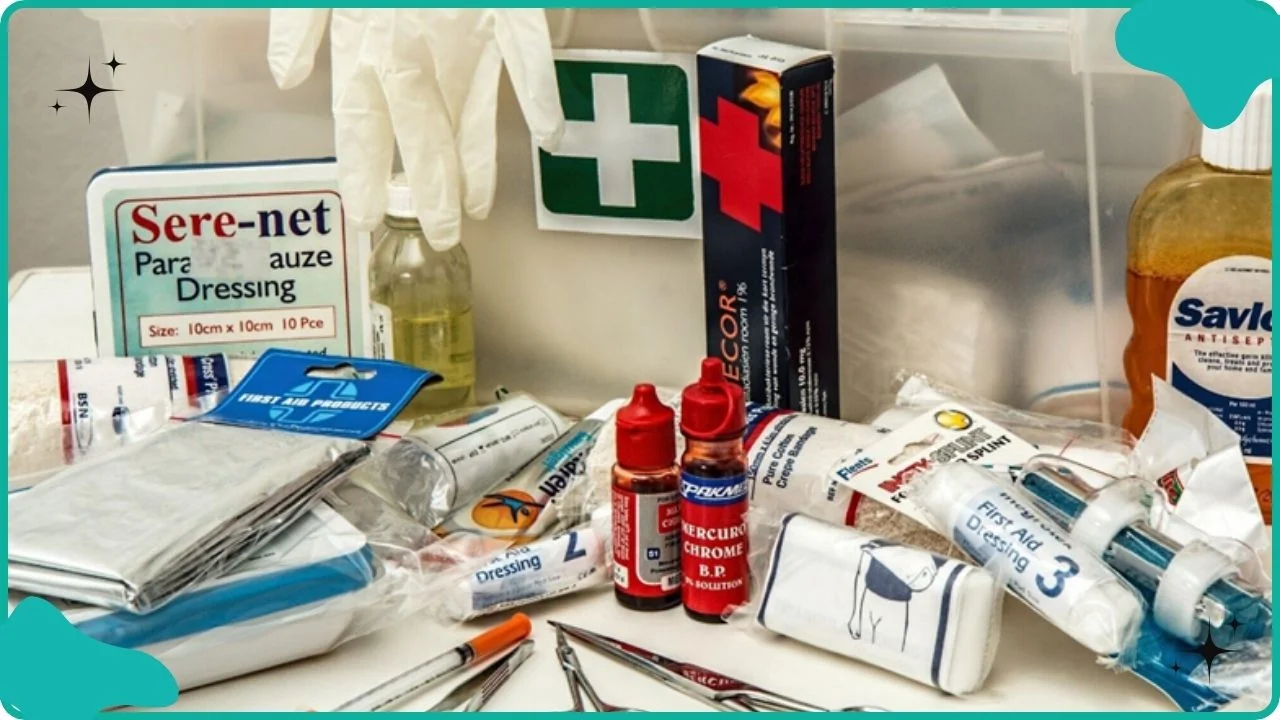
Review simple skills from time to time, especially if you work with children, older adults, tools, sports, or crowds. Keep basic supplies nearby at home, in the car, and at work. Preparation makes quick action feel more natural when stress is high.
Ready Hands Save Lives
Critical situations are hard, but clear steps can make them more manageable. When you check safety, call for help, control bleeding, and offer support, you give the injured person a better chance. You also help create order during a stressful moment.
No one can predict every emergency. Still, learning basic response skills can help you meet serious moments with more courage and care.
Did you like this guide? Great! Please browse our website for more!
VISIT MORE : Circle Magazine