






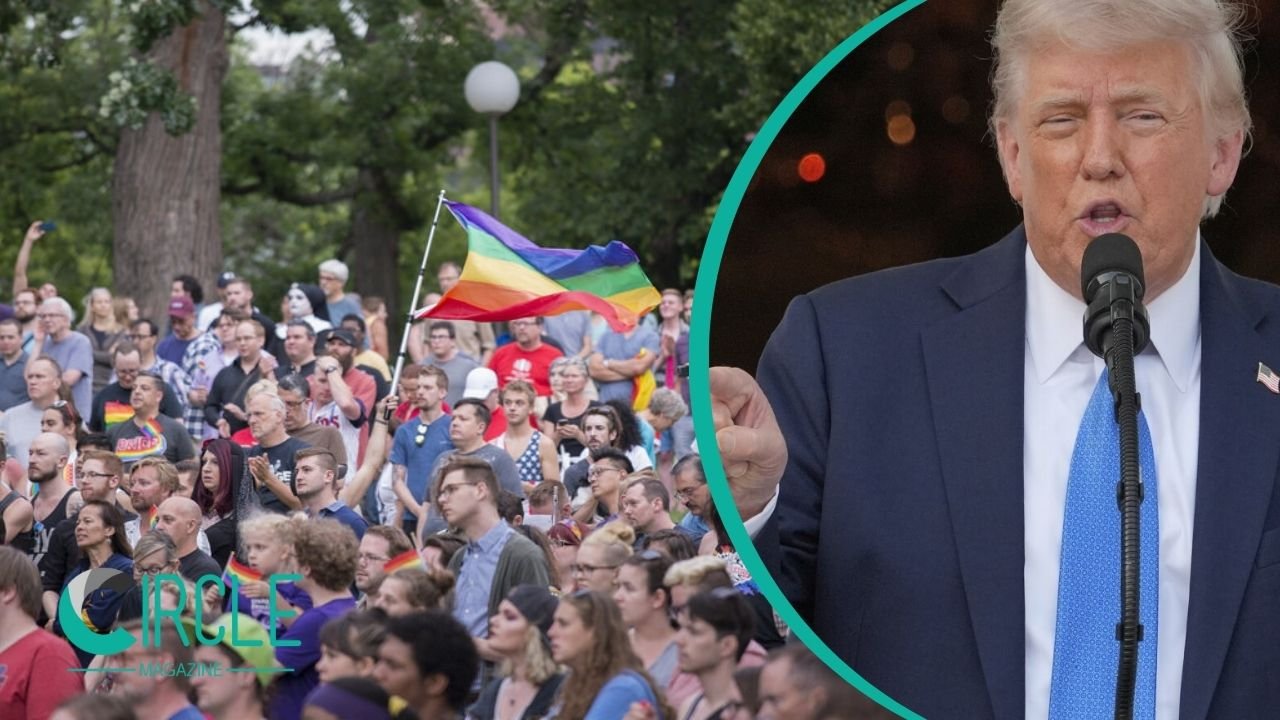
Pride Month has become one of the most visible symbols of LGBTQ+ recognition in modern American society, blending activism, celebration, and political signaling into a single cultural moment each year. When Donald Trump entered the White House, expectations around Pride Month messaging and policy were high, particularly because he positioned himself as a non-traditional Republican. What followed was a presidency marked by contradictions, selective symbolism, and policy decisions that sparked sustained controversy. The Trump Pride Month debate is not just about one month or one president; it reflects how political leadership shapes civil rights narratives and public trust.
Quick Overview of Trump and Pride Month Controversy
At its core, the Trump Pride Month controversy revolves around inconsistency. Trump occasionally expressed verbal support for LGBTQ+ people, especially in contrast to other nations, yet avoided formal recognition of Pride Month and oversaw policy changes that limited protections. This disconnect between messaging and governance fueled backlash from advocacy groups while allowing supporters to argue that media criticism was exaggerated.
What Is Pride Month and Why It Matters in U.S. Politics
Pride Month commemorates the Stonewall uprising of 1969, a pivotal moment in LGBTQ+ resistance against discrimination. In U.S. politics, Pride Month functions as a barometer of inclusion. Presidential proclamations, federal policies, and public appearances during June often signal how an administration values LGBTQ+ citizens. For many, silence during Pride Month carries as much meaning as overt opposition.
The Political Significance of Presidential Pride Month Proclamations
Presidential Pride Month proclamations do not create laws, but they carry symbolic weight. They acknowledge LGBTQ+ Americans as part of the national story. Trump’s refusal to issue such proclamations stood out sharply when compared to previous administrations, reinforcing criticism that his support lacked substance.
Trump’s Early Public Statements on LGBT Issues
During his 2016 campaign, Trump distinguished himself by stating he was “fine” with same-sex marriage and claiming he would protect LGBTQ+ people from harm. These comments generated cautious optimism among some voters who expected a more moderate approach. However, these early statements later clashed with administrative actions.
Did Donald Trump Ever Officially Support Pride Month?
Trump never issued a formal Pride Month proclamation as president. This absence became one of the most cited points of criticism. While the White House acknowledged LGBTQ+ Americans in limited ways, the lack of official recognition suggested a deliberate choice to avoid alienating conservative supporters.
Trump’s Pride Month Tweets: Context and Interpretation
Trump’s most notable Pride Month-related tweet expressed support for LGBTQ+ individuals worldwide while criticizing countries that criminalize homosexuality. Supporters highlighted this as evidence of progressiveness, while critics argued it was performative, especially given domestic policy rollbacks occurring simultaneously.
Timing and Political Context of Trump’s Pride Month Tweets
The timing of Trump’s tweets often coincided with international events or criticism from advocacy groups. This led many analysts to interpret them as reactive rather than proactive, designed to counter negative press rather than signal long-term commitment.
Social Media Reactions to Trump’s Pride Month Tweets

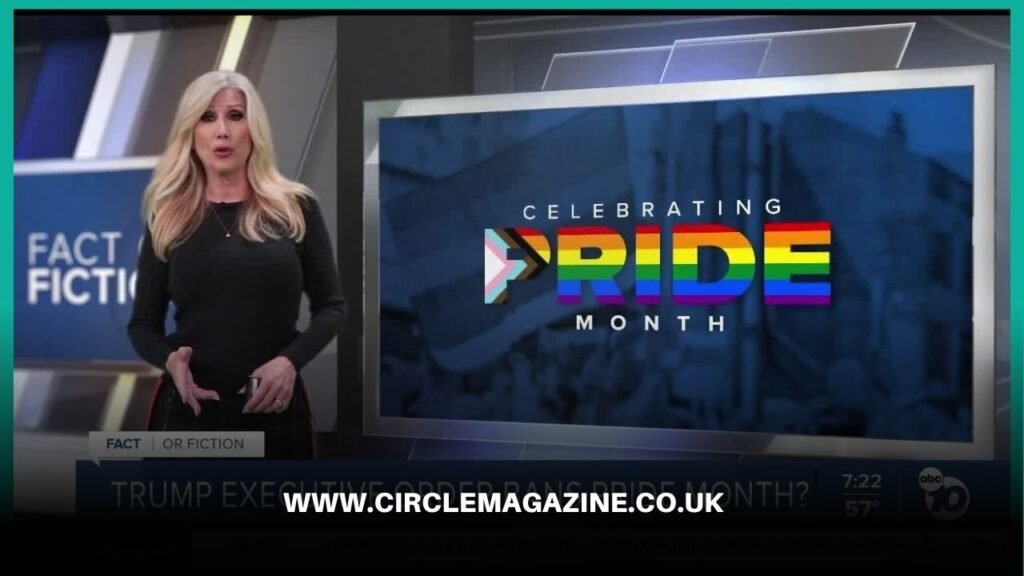
Social media responses were sharply divided. Supporters praised Trump for acknowledging LGBTQ+ people at all, while critics accused him of hypocrisy. Platforms amplified extreme viewpoints, making nuanced discussion rare and reinforcing political polarization.
Trump’s Campaign Promises Regarding LGBT Rights
Trump’s campaign rhetoric emphasized protection from violence and terrorism rather than equality or inclusion. These promises appealed to voters concerned with national security but failed to address systemic discrimination, which later became a major criticism.
Pride Month During Trump’s Presidency: What Changed?
Under Trump, Pride Month lost much of its federal visibility. While parades and celebrations continued nationwide, federal recognition diminished. This shift highlighted how much symbolic leadership matters in sustaining visibility for marginalized communities.
Trump Administration Policies Affecting LGBT Communities
Policy decisions defined Trump’s legacy more than rhetoric. His administration altered interpretations of civil rights protections, affecting healthcare, employment, education, and military service for LGBTQ+ Americans.
Military Transgender Ban and Its Impact
The transgender military ban became one of the most controversial actions of Trump’s presidency. Critics argued it harmed morale, careers, and mental health, while supporters framed it as a matter of military readiness. The policy deeply influenced perceptions of Trump’s stance on LGBTQ+ inclusion.
Healthcare Policy Changes and LGBT Access to Care
The administration rolled back rules that explicitly protected gender identity and sexual orientation in healthcare settings. Advocacy groups warned these changes could lead to denial of care and increased discrimination, particularly for transgender individuals.
Education Policy and Transgender Student Protections
Trump-era education policy removed federal guidance protecting transgender students’ rights in schools. This shift placed responsibility on states, leading to inconsistent protections and heightened anxiety among students and families.
Workplace Rights and Employment Protections
Although the Supreme Court later expanded workplace protections, enforcement priorities under Trump created uncertainty. Many LGBTQ+ workers feared increased vulnerability to discrimination.
Supreme Court Decisions During Trump’s Term
Trump’s judicial appointments reshaped the legal landscape. While some rulings strengthened LGBTQ+ protections, others signaled a more conservative judicial philosophy, leaving long-term impacts uncertain.
Trump’s Relationship With Conservative and Religious Voters
Trump relied heavily on evangelical and conservative voters, many of whom opposed expanded LGBTQ+ rights. Balancing this base influenced his reluctance to fully embrace Pride Month symbolism.
The Role of Political Strategy in Trump’s Pride Month Messaging
Many analysts view Trump’s Pride Month statements as tactical. Selective support allowed him to deflect criticism without committing to policy changes, reinforcing perceptions of inconsistency.
Supporters’ Perspective on Trump and Pride Month
Supporters argue Trump was unfairly criticized, pointing out his lack of openly hostile rhetoric and occasional supportive statements. They emphasize economic and foreign policy priorities over symbolic gestures.
Criticism From LGBT Activists and Advocacy Groups
Activists consistently criticized Trump for prioritizing rhetoric over rights. Advocacy groups documented policy impacts and framed Pride Month silence as part of a broader pattern of exclusion.
Media Coverage of Trump Pride Month Controversies
Media narratives emphasized contradiction, often highlighting policy rollbacks alongside supportive tweets. This coverage shaped public perception and sustained the controversy throughout Trump’s presidency.
International Reaction to Trump’s Pride Month Statements
Internationally, Trump’s criticism of anti-LGBTQ+ laws abroad received mixed reactions. Some praised the stance, while others questioned its credibility given domestic actions.
Comparison With Previous U.S. Presidents and Pride Month
Compared to Obama-era visibility and policy expansion, Trump’s approach marked a clear shift. This comparison amplified disappointment among LGBTQ+ advocates.
How Trump’s Approach to Pride Month Differed From Biden’s
Biden restored proclamations, reversed key policies, and emphasized inclusion. The contrast underscored how leadership changes directly affect LGBTQ+ recognition.
Public Opinion Polls on Trump and LGBT Rights
Polls consistently showed divided opinions. Some Americans viewed Trump as neutral, while others saw his presidency as a setback for LGBTQ+ rights.
Pride Month Proclamations: What Trump Did and Did Not Do
The absence of proclamations became symbolic of Trump’s broader approach. Critics viewed it as intentional avoidance, not oversight.
Symbolic Gestures vs Policy Actions
The debate ultimately centers on whether symbolism matters. For many LGBTQ+ Americans, recognition and protection are inseparable.
Impact of Trump’s Policies on Real Lives
Policy changes affected healthcare access, military careers, education environments, and workplace security. These lived experiences shape Trump’s Pride Month legacy more than tweets.
Long-Term Effects on LGBT Rights in the U.S.
Judicial appointments and regulatory changes may influence LGBTQ+ rights for decades. Trump’s impact extends beyond his term.
How Pride Month Became a Political Battleground
Pride Month increasingly reflects partisan identity. Under Trump, it became a flashpoint for debates about equality, religion, and government authority.
The Role of Polarization in the Trump Pride Month Debate
Polarization intensified reactions, with little middle ground. Interpretations often depended on political alignment rather than evidence.
Trump Pride Month Controversy on Social Media Platforms
Social media rewarded outrage, reducing complex issues to viral narratives. This environment deepened misunderstanding.
Fact-Checking Common Claims About Trump and Pride Month
Trump neither fully supported nor outright opposed Pride Month. His record reflects selective acknowledgment paired with restrictive policies.
Myths and Misconceptions Surrounding Trump’s LGBT Record
The biggest misconception is that Trump’s stance fits neatly into one category. His record is fragmented and politically driven.
Lessons From the Trump Pride Month Controversy
The controversy shows that civil rights leadership requires consistency. Mixed signals erode trust and fuel division.
Why the Trump Pride Month Debate Still Matters Today
The debate shapes expectations for future leaders and highlights how symbolism and policy together define progress.
Conclusion
The Trump Pride Month controversy reveals the complexity of political leadership in a polarized era. Through selective tweets, policy rollbacks, and divided public reactions, Trump’s legacy on Pride Month remains deeply contested. Understanding this chapter helps explain why Pride Month continues to matter as both a celebration and a political statement.
Frequently Asked Questions (FAQs)
Did Trump support Pride Month?
Trump made limited supportive statements but avoided formal recognition.
Why was Trump criticized during Pride Month?
Critics focused on policy rollbacks and lack of official acknowledgment.
Did Trump’s policies affect LGBT rights?
Yes, especially in healthcare, military service, and education.
How did the public react to Trump’s Pride Month actions?
Reactions were sharply divided along political lines.
Why does this controversy still matter?
It influences how future leaders approach LGBTQ+ rights and visibility.
VISIT MORE : Circle Magazine