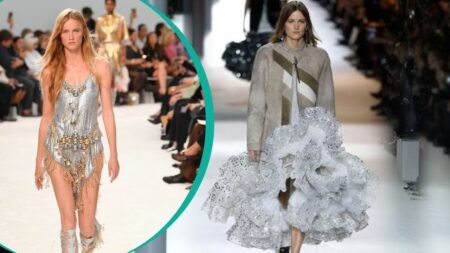






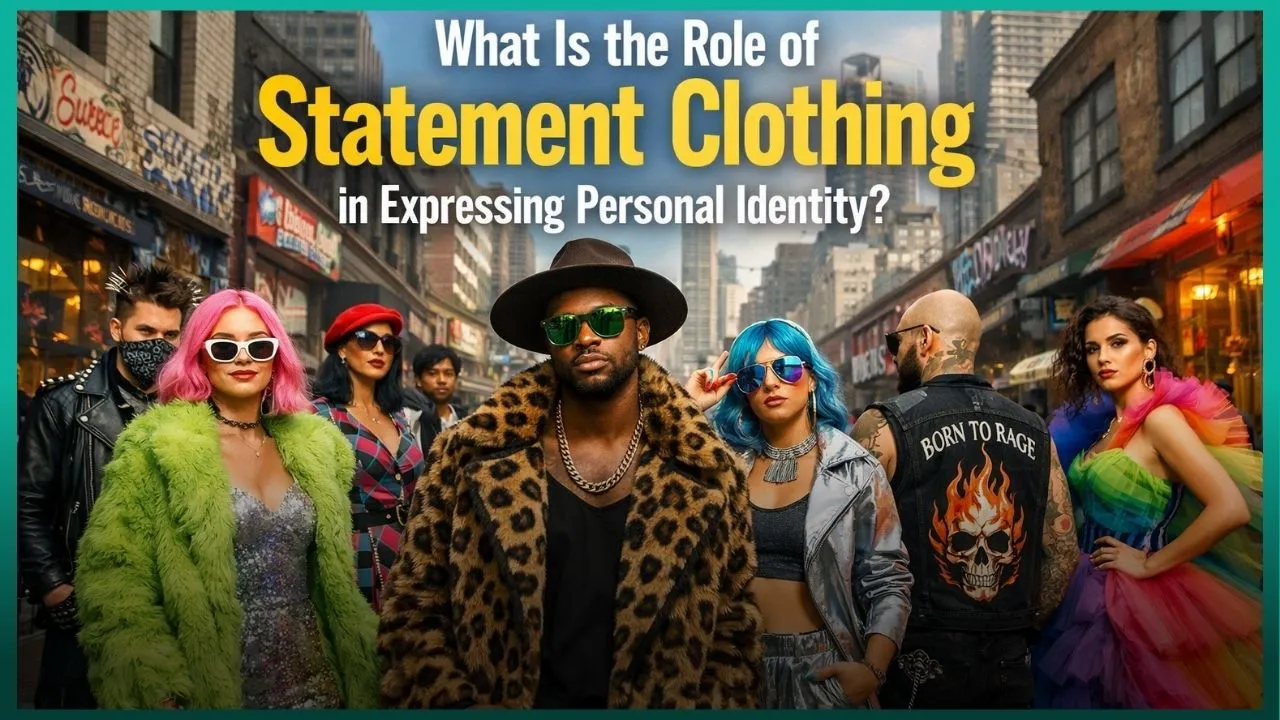
Clothing is more than fabric and trends. It is one of the most visible ways people communicate who they are. Statement clothing in particular allows individuals to express personality, beliefs, culture, and creativity without saying a word. From bold graphics to symbolic patterns, fashion often acts as a personal language.
Among the many forms of expressive fashion, printed shirts have become a powerful medium for identity. They allow wearers to showcase humor, political views, artistic taste, or cultural pride in a simple yet highly visible way. As fashion culture continues to evolve, statement clothing plays an even larger role in how people present themselves to the world.
This article explores how statement clothing communicates identity, why it resonates socially and psychologically, and how individuals can use it intentionally to reflect who they are.
What Is Statement Clothing?
Statement clothing refers to garments designed to attract attention and communicate a clear message, style preference, or identity marker.
In fashion terms, a “statement piece” is an item that stands out visually or conceptually. This can include bold patterns, striking colors, symbolic imagery, or text-based designs that express an idea.
Common examples include:
- Graphic tees with slogans or artwork
- Cultural or heritage-inspired garments
- Protest or activism clothing
- High-fashion experimental pieces
- Vintage or retro prints
- Bold printed shirts with unique patterns or messages
Unlike neutral basics, statement clothing deliberately draws attention and invites interpretation. It allows people to communicate identity cues quickly within social environments.
According to research discussed in Psychology Today, clothing functions as a form of nonverbal communication that shapes how others perceive personality, competence, and social identity (https://www.psychologytoday.com).
Fashion therefore acts as a visual shorthand for self-expression.
Key Takeaway: Statement clothing uses bold design, symbols, or text to communicate identity, beliefs, and personality without words.
Why Fashion Is a Powerful Tool for Identity Expression
Clothing is deeply connected to personal identity because it sits at the intersection of psychology, culture, and social interaction.
1. Clothing communicates personality
People often choose clothing that reflects their traits.
For example:
- Minimalist wardrobes often signal simplicity or practicality
- Bright patterns may express creativity and confidence
- Vintage clothing can signal nostalgia or appreciation for history
Statement clothing amplifies these signals by making them more visible.
2. Fashion signals group belonging
Clothing can communicate membership in communities or subcultures.
Examples include:
- Streetwear culture
- Music fan communities
- Political movements
- Sports fandom
These visual markers help people recognize others who share similar interests or beliefs.
3. Clothing influences self-perception
Psychologists describe a concept called enclothed cognition, which refers to how clothing influences the wearer’s mindset and behavior.
A study published in the Journal of Experimental Social Psychology found that clothing associated with meaning can influence confidence, focus, and self-perception.
This means the clothing we wear does not only influence others. It also affects how we feel about ourselves.
Key Takeaway: Fashion influences both how others see us and how we see ourselves, making statement clothing a powerful identity tool.
How Printed Designs Turn Clothing Into Personal Narratives
Printed designs are among the most accessible forms of statement clothing. They allow individuals to turn everyday garments into visual storytelling tools.
Unlike subtle fashion choices, printed garments communicate ideas instantly.
Messages and slogans
Text-based designs can express opinions or humor.
Examples include:
- Political statements
- Social awareness messages
- Motivational quotes
- Cultural references
These messages allow wearers to communicate values without speaking.
Visual symbolism
Images and graphics often carry layered meaning.
Common symbolic prints include:
- Cultural motifs
- Artistic illustrations
- Abstract patterns
- Pop culture references
These elements allow individuals to align their clothing with interests or heritage.
Personal storytelling
Some prints represent personal experiences or memories.
For instance:
- Travel-themed prints
- Music-inspired graphics
- Artistic collaborations
Because of this, clothing becomes a wearable narrative rather than just a fashion choice.
Key Takeaway: Printed designs transform clothing into storytelling tools that express beliefs, culture, humor, and personal experiences.
The Cultural Influence of Statement Fashion
Statement clothing has historically played a role in social movements and cultural expression.
Throughout fashion history, garments have been used to communicate resistance, pride, and identity.
Fashion in activism
Clothing has often been used to promote social causes.
Examples include:
- Protest slogans on shirts
- Feminist graphic tees
- Environmental awareness designs
These garments turn the body into a platform for advocacy.
Cultural pride and heritage
Many communities use clothing to celebrate heritage and tradition.
Patterns, colors, and symbols can represent:
- National identity
- Indigenous culture
- Regional artistry
- Traditional craftsmanship
Fashion scholars often highlight how clothing preserves cultural narratives across generations. Research published in Fashion Theory: The Journal of Dress, Body & Culture explores how garments function as cultural storytelling mediums.
Youth culture and rebellion
Youth movements frequently adopt statement fashion as a way to challenge norms.
Examples include:
- Punk graphics
- Hip hop streetwear
- Skate culture clothing
These styles allow younger generations to reshape identity through fashion.
Key Takeaway: Statement clothing often reflects broader cultural movements, serving as a tool for activism, heritage expression, and generational identity.
How to Use Statement Clothing to Express Your Identity
Statement clothing becomes most powerful when worn intentionally. Instead of following trends blindly, individuals can use fashion to reflect their personal story.
Here are practical ways to do that.
1. Identify what matters to you
Start by reflecting on what you want your clothing to communicate.
This could include:
- Creativity
- Cultural pride
- Humor
- Social awareness
- Artistic taste
Once you identify these themes, it becomes easier to choose statement pieces that align with them.
2. Balance statement items with basics
A common styling strategy is pairing one bold piece with simple clothing.
For example:
- Graphic shirt + neutral jeans
- Patterned top + monochrome trousers
- Bold jacket + minimal accessories
This ensures the statement piece remains the focal point.
3. Choose designs that resonate personally
Avoid choosing statement clothing solely because it is trending.
Instead, select designs connected to:
- Your interests
- Your background
- Your creative inspirations
Authenticity makes statement fashion feel natural rather than performative.
4. Consider context
Clothing communicates differently depending on environment.
For example:
- Work settings may favor subtle statements
- Social events may allow bolder choices
- Cultural gatherings may emphasize heritage pieces
Understanding context helps maintain balance between expression and appropriateness.
Key Takeaway: The most effective statement clothing reflects authentic interests and values rather than temporary fashion trends.
The Rise of Individual Expression in Modern Fashion
Fashion has shifted significantly in recent years. Instead of rigid trends dictating style, individuality now drives many clothing choices.
Several factors have contributed to this shift.
Social media influence
Platforms like Instagram and TikTok have transformed how people discover fashion.
Users now curate personal styles and share them globally. This encourages experimentation and self-expression.
Streetwear culture
Streetwear popularized graphic designs, slogans, and bold prints in everyday fashion.
What once belonged to niche subcultures is now mainstream fashion.
Customization and personalization
Modern fashion increasingly embraces customization.
Consumers can now design or personalize garments that reflect their identities.
This trend reinforces the idea that clothing should represent the individual rather than just the brand.
Key Takeaway: Modern fashion increasingly prioritizes individuality, making statement clothing a central tool for personal expression.
What Is the Psychological Impact of Wearing Statement Clothing?
Statement clothing does not only influence how others perceive someone. It can also affect mood, confidence, and identity formation.
Increased confidence
Wearing clothing that aligns with personal identity can boost confidence.
When individuals feel authentic in what they wear, they often feel more comfortable in social environments.
Identity reinforcement
Clothing can reinforce self-perception.
For example:
- Artists may wear creative or unconventional fashion
- Activists may wear message-driven clothing
- Minimalists may choose simple yet intentional garments
These choices strengthen identity over time.
Social connection
Statement clothing often sparks conversation.
A graphic print or symbolic design may lead to interactions with people who share similar interests or values.
Fashion therefore becomes a social connector.
Key Takeaway: Statement clothing strengthens confidence, reinforces identity, and often encourages meaningful social interaction.
Frequently Asked Questions
What is statement clothing in fashion?
Statement clothing refers to garments designed to stand out and communicate a message, identity, or strong visual style.
Key Takeaway: Statement clothing uses bold design or symbolism to communicate personality and beliefs.
Why do people wear statement clothing?
People wear statement clothing to express individuality, communicate values, and visually represent their interests or culture.
Key Takeaway: Statement clothing helps individuals share identity and ideas through fashion.
Are printed garments considered statement fashion?
Yes. Printed garments often feature graphics, slogans, or patterns that make them visually distinctive and expressive.
Key Takeaway: Printed designs transform everyday clothing into expressive fashion pieces.
Can clothing really influence how others perceive you?
Yes. Studies in psychology show clothing influences first impressions, perceived confidence, and social identity signals.
Key Takeaway: Clothing acts as a nonverbal communication tool that shapes how others interpret personality and identity.
How can someone start building a statement wardrobe?
Start by choosing pieces that reflect personal interests, cultural influences, or creative preferences, and combine them with neutral basics.
Key Takeaway: A statement wardrobe begins with clothing that authentically reflects who you are.
Conclusion
Statement clothing plays an important role in how people communicate identity, beliefs, and creativity. Through color, design, symbols, and messages, garments become visual expressions of personality and culture.
From activism-inspired fashion to artistic prints, clothing has long served as a powerful form of nonverbal communication. Today, with the rise of personalized style and digital fashion communities, statement pieces are more relevant than ever.
Whether through bold graphics, cultural patterns, or meaningful slogans, fashion allows individuals to tell their stories visually. When chosen thoughtfully, statement clothing transforms everyday outfits into reflections of identity.
Key Takeaway: Statement clothing turns fashion into a language of identity, allowing individuals to express personality, culture, and beliefs through what they wear.
VISIT MORE : Circle Magazine