




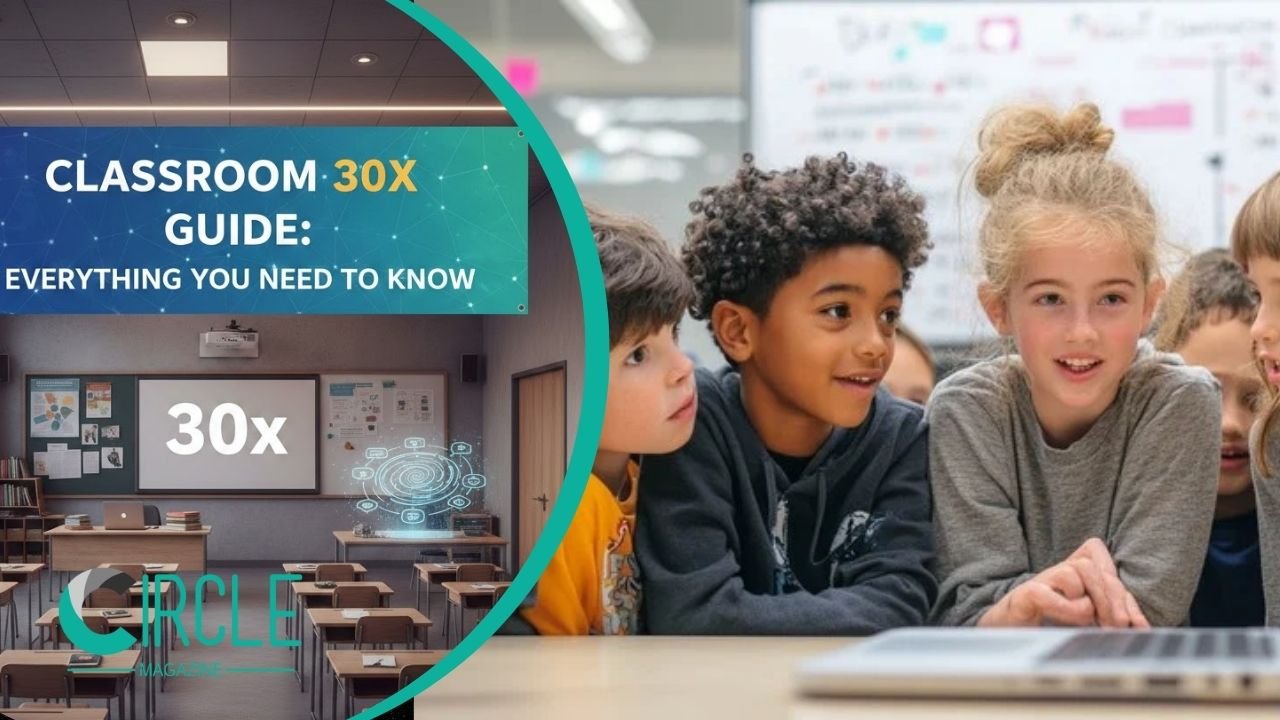
Education systems around the world are evolving to meet the needs of modern students, and classrooms are no longer limited to traditional teaching methods. Classroom 30x represents a structured and balanced approach that focuses on improving learning quality rather than increasing workload. This model emphasizes better interaction between teachers and students, clearer routines, and a more manageable learning environment. As schools face challenges like overcrowding and limited attention spans, this approach offers a practical solution that supports both academic success and student well-being.
The Core Idea Behind This Learning Approach
The concept of Classroom 30x is built on the principle that learning improves when students receive proper attention and guidance. It is not only about limiting numbers but about designing lessons, interactions, and classroom flow in a smarter way. Teachers can manage time more effectively, and students feel more involved in daily activities. This structured environment reduces distractions and supports consistent learning progress.
Classroom 30x vs Traditional Classroom Models
Traditional classroom models often rely on lectures and limited student interaction. Classroom 30x shifts the focus toward communication and collaboration. Learning becomes more student-centered, allowing better understanding of topics. This difference leads to improved motivation and stronger academic performance.
How the 30-Student Classroom Concept Functions
This classroom concept works by reducing overload and improving communication. Teachers design lessons that encourage discussion, teamwork, and active participation. Students are given opportunities to ask questions and express ideas without pressure. Because the classroom feels more manageable, teachers can adjust teaching methods based on student needs. This flexibility improves overall learning outcomes.
Key Principles That Shape This Educational Model
Several principles define this system, including structure, consistency, and engagement. Clear routines help students understand expectations and reduce confusion. Teachers monitor progress closely and provide regular feedback. These principles create a stable learning rhythm that supports academic growth and emotional confidence.
Comparing Modern Learning Models With Traditional Classrooms
Traditional classrooms often rely on lectures and memorization, which limits creativity and critical thinking. Modern learning models focus on interaction and understanding rather than rote learning. Students become active participants instead of passive listeners. This shift improves problem-solving skills and long-term knowledge retention.
The Role of Technology in Today’s Learning Spaces
Technology supports learning when used thoughtfully and responsibly. Digital tools help teachers organize lessons, track progress, and communicate effectively. Students benefit from interactive content that makes learning more engaging. However, balance remains important, as technology should enhance learning rather than distract from it.
Teachers as Mentors and Learning Guides

In this classroom system, teachers act as mentors rather than strict lecturers. They guide discussions, observe student behavior, and provide personalized support. This closer connection builds trust and improves discipline. Teachers feel more involved in student progress, which leads to better classroom management.
Student Benefits in a Structured Learning Environment
Students thrive in environments where expectations are clear and support is consistent. They feel more confident participating in discussions and group activities. Reduced stress and improved focus help students perform better academically. Over time, this approach strengthens both academic skills and social development.
Creating a Positive and Supportive Classroom Atmosphere
A supportive classroom atmosphere plays a major role in learning success. Proper seating, lighting, and organization reduce distractions. Clear rules and routines help students feel secure. When students feel safe and respected, they are more motivated to learn.
The Importance of Class Size for Engagement
Class size directly affects how engaged students feel during lessons. Smaller and structured classrooms allow teachers to involve every student. Discussions become more meaningful, and participation increases naturally. Students feel valued and more connected to the learning process.
Curriculum Planning That Encourages Understanding
Curriculum planning in this model focuses on clarity and relevance. Lessons are designed to connect theory with real-life examples. Teachers adapt content based on student understanding and feedback. This flexible approach keeps learning interesting and effective.
Teaching Methods That Promote Active Learning
Active learning methods include group discussions, collaborative projects, and hands-on activities. These strategies encourage students to think critically and work together. Teachers provide clear instructions and regular feedback. Learning becomes a shared experience rather than a one-way process.
Assessment Focused on Growth and Improvement
Assessment in this system focuses on progress rather than fear. Teachers evaluate students through assignments, discussions, and quizzes. Feedback highlights strengths and areas for improvement. This supportive evaluation builds confidence and encourages continuous learning.
Supporting Young Learners in Primary Education
Young students benefit greatly from structured and supportive environments. Clear routines help them feel comfortable and confident. Teachers can give more attention to individual needs. This strong foundation supports long-term academic development.
Encouraging Independence in Middle and Secondary Education
As students grow older, they need opportunities to develop independence and critical thinking. This model encourages responsibility and self-discipline. Teachers identify learning gaps early and provide guidance. Students become better prepared for advanced studies.
Applying the Model in Higher Education
Colleges and universities also benefit from structured classrooms. Smaller learning groups encourage debate and deeper analysis. Professors can mentor students more effectively. Academic quality improves across subjects.
Balancing Digital Tools and Classroom Structure

Digital tools offer flexibility and convenience in learning. Online platforms help organize materials and track performance. However, structure remains essential to avoid distractions. A balanced approach ensures effective learning.
Classroom Design and Physical Comfort
Physical design influences student behavior and focus. Comfortable seating and proper lighting improve concentration. Organized layouts reduce stress and confusion. Thoughtful design supports learning success.
Managing Student Behavior Through Clear Expectations
Clear expectations help manage behavior effectively. Teachers address issues quickly and fairly. Students understand boundaries and responsibilities. Positive behavior supports academic focus.
Personalized Learning for Diverse Needs
Every student learns differently, and personalized instruction supports diverse needs. Teachers adjust lessons based on abilities and progress. Students move at a comfortable pace. Confidence and achievement improve steadily.
Inclusion and Equal Learning Opportunities
Inclusive classrooms respect individual differences and provide support where needed. Teachers create equal opportunities for all students. A respectful environment strengthens learning outcomes. Accessibility remains a priority.
Teacher Training and Professional Development
Teachers need proper training to apply modern teaching methods effectively. Professional development builds confidence and skills. Ongoing support improves classroom performance. Well-trained teachers strengthen the entire system.
Challenges Schools May Face During Implementation
Schools may face challenges such as limited resources or space constraints. Change requires planning and patience. Resistance can occur without proper communication. Awareness helps overcome these obstacles.
Practical Solutions to Classroom 30x Challenges
Gradual implementation allows schools to adjust smoothly. Training and planning support teachers and students. Clear communication builds trust. Small steps lead to long-term success.
Real-World Examples From Educational Institutions
Many schools report improved engagement and academic results after adopting this approach. Teachers experience better classroom control. Students show greater interest in learning. These examples highlight effectiveness.
Case Studies Showing Positive Outcomes
Case studies demonstrate improved attendance and performance. Classroom culture becomes more positive. Students express higher satisfaction. Data supports long-term success.
Steps Schools Can Take to Begin
Schools should start with careful planning and pilot programs. Training prepares teachers for change. Monitoring progress ensures improvement. Gradual adoption works best.
Budgeting and Resource Management
Proper budgeting supports long-term sustainability. Resources should align with educational goals. Smart investment improves outcomes. Planning reduces waste.
Classroom 30x and The Future of Classroom Learning
Education will continue to evolve with student needs. Structured and flexible systems support future learning. Engagement and clarity remain essential. This approach aligns with modern expectations.
Addressing Common Misunderstandings
Some believe structure limits creativity, but the opposite is true. Clear systems allow focused creativity. Understanding removes confusion. Balance ensures success.
Best Practices for Long-Term Success
Consistency, training, and feedback support success. Schools must remain adaptable. Long-term planning ensures stability. Commitment drives results.
Measuring Success and Impact
Success is measured through performance, engagement, and feedback. Data guides improvement. Continuous evaluation strengthens outcomes. Evidence supports progress.
Final Thoughts: Is This Approach Worth Adopting?
This classroom approach offers balance, clarity, and engagement. It supports teachers and students equally. Schools seeking improvement can benefit greatly. Thoughtful implementation leads to lasting success.
FAQs
What is Classroom 30x?
It is a structured classroom approach designed to improve learning quality and engagement.
Can it work at all education levels?
Yes, it can be adapted from primary education to higher education.
Does it improve student performance?
Yes, better engagement leads to stronger academic outcomes.
Is technology necessary?
Technology supports learning but is not required.
Can it be used in online education?
Yes, it adapts well to digital learning environments.
VISIT MORE : Circle Magazine