




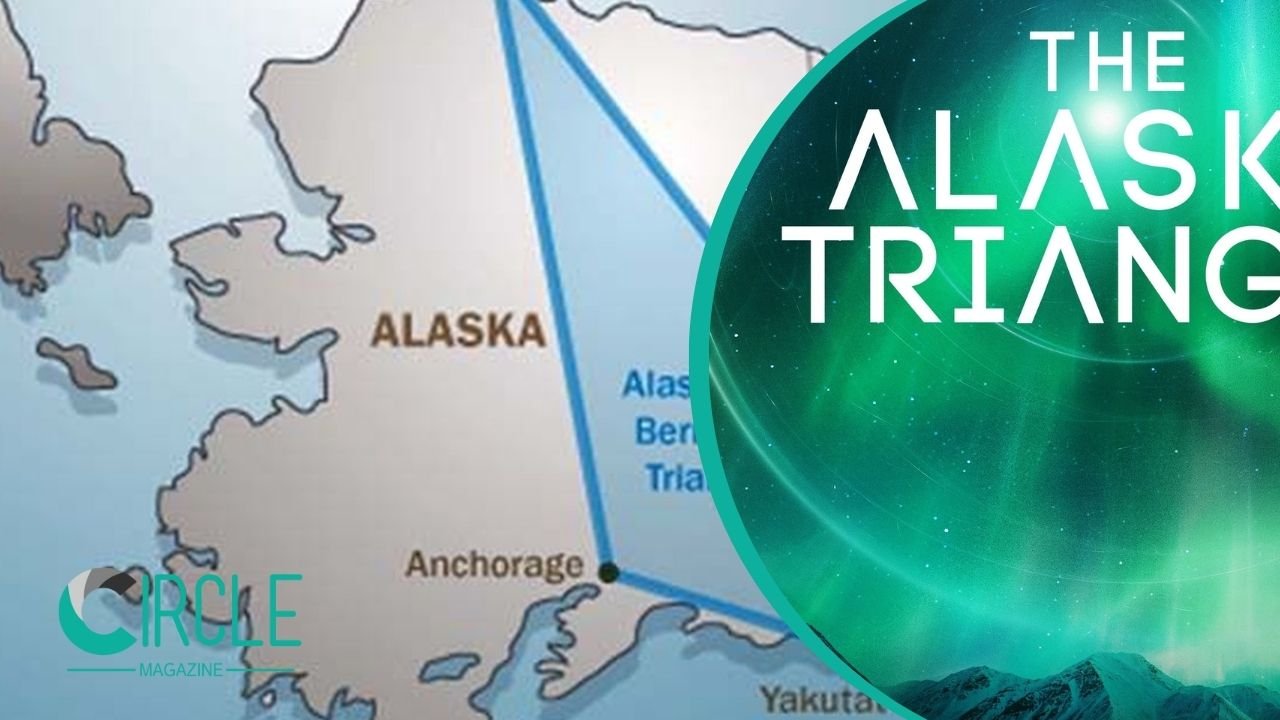
The Alaska Triangle remains one of the most chilling and least understood mystery zones in the world. Stretching across vast wilderness, icy mountains, and remote coastlines, this region has earned a dark reputation for unexplained disappearances, plane crashes, and eerie phenomena. Unlike urban mysteries that rely on speculation, the Alaska Triangle is rooted in real cases involving missing people, vanished aircraft, and lost expeditions. Its isolation, extreme conditions, and long history of unexplained events continue to fuel fear, curiosity, and debate among researchers and travelers alike.
What Is the Alaska Triangle?
The Alaska Triangle refers to a loosely defined area within the state of Alaska where an unusually high number of people, planes, and vessels have disappeared under mysterious circumstances. While not officially recognized by scientific institutions, the term has gained popularity through documentaries, books, and investigative journalism. The mystery lies not only in the disappearances but also in how often these cases remain unresolved despite modern technology.
Where Is the Alaska Triangle Located?
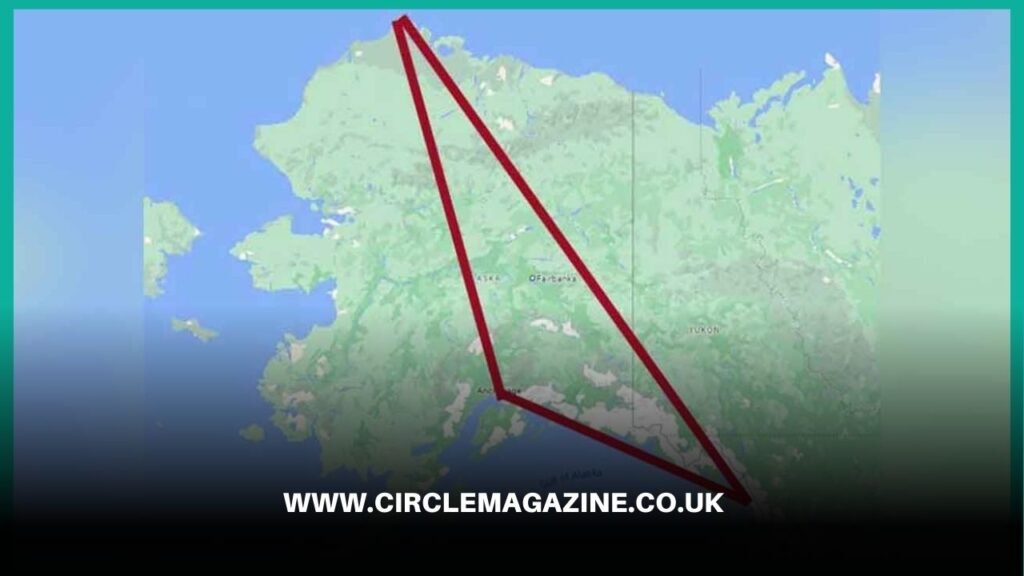
The Alaska Triangle generally connects three major points: Anchorage, Juneau, and Utqiagvik (formerly Barrow). This massive triangular region covers rugged mountains, dense forests, frozen tundra, and storm-prone seas. Much of the land remains inaccessible by road, making search and rescue operations extremely difficult. The remoteness adds to the danger and mystery surrounding the area.
How Big Is the Alaska Triangle Region?
The Alaska Triangle spans hundreds of thousands of square miles, making it far larger than many other famous mystery zones. Its enormous size includes glaciers, rivers, forests, and mountain ranges that remain largely untouched by human development. This scale alone makes tracking disappearances more challenging and increases the likelihood that evidence simply vanishes into the wilderness.
When Did the Alaska Triangle Mystery Begin?
Stories of unexplained vanishings date back centuries, long before modern aviation. Indigenous communities spoke of dangerous lands and spirits long before the term “Alaska Triangle” existed. The mystery gained global attention in the mid-20th century when aircraft began disappearing more frequently, including high-profile cases involving government officials.
Why Is the Alaska Triangle Compared to the Bermuda Triangle?
The Alaska Triangle is often compared to the Bermuda Triangle because both regions share similar patterns of unexplained disappearances and navigational issues. However, the Alaska Triangle differs due to its harsh climate and rugged terrain. While the Bermuda Triangle involves open water, Alaska’s mystery unfolds across land, sea, and air, making it even more complex.
Famous Disappearances Linked to the Alaska Triangle
Over the decades, thousands of people have gone missing within the Alaska Triangle. Some cases involve solo hikers or hunters, while others include large groups and commercial flights. What makes these cases disturbing is the lack of wreckage, distress signals, or clear explanations.
The Case of Congressman Hale Boggs
One of the most famous disappearances occurred in 1972 when U.S. Congressman Hale Boggs vanished while flying over Alaska. Despite an extensive search involving military resources, no trace of the plane or its passengers was ever found. This case brought international attention to the Alaska Triangle and raised serious questions about safety and accountability.
Commercial and Private Plane Crashes in the Alaska Triangle

Aviation incidents occur at an alarming rate in Alaska, especially within the triangle region. Both commercial and private planes have vanished mid-flight without sending distress signals. Harsh weather, sudden turbulence, and difficult terrain contribute to these crashes, but many incidents still defy clear explanation.
Why Aircrafts Vanish Without Distress Signals
One unsettling aspect of Alaska Triangle plane disappearances is the absence of distress calls. Experts suggest sudden weather changes, magnetic interference, or mechanical failures could disable communication systems instantly. In some cases, pilots have simply vanished from radar, leaving investigators with no trail to follow.
Missing Ships and Boats Along Alaska’s Coast
The mystery extends beyond land and air into the surrounding waters. Fishing vessels, cargo ships, and small boats have disappeared along Alaska’s coastline. Rough seas, freezing temperatures, and limited rescue infrastructure increase the danger, but some cases involve calm conditions and experienced crews, deepening the mystery.
Hikers and Hunters Who Disappeared Without a Trace
Alaska’s wilderness attracts adventurers, hunters, and hikers seeking solitude and challenge. Unfortunately, many never return. Some vanish just miles from civilization, leaving behind equipment or campsites with no signs of struggle. These cases often end without closure for families.
Why Survival Is So Difficult in the Alaska Triangle
Survival in the Alaska Triangle is extremely difficult due to freezing temperatures, unpredictable weather, and limited resources. Even experienced outdoorsmen can become disoriented or injured within minutes. Once stranded, hypothermia and wildlife threats quickly reduce survival chances.
Extreme Weather Conditions and Sudden Storms
Weather in Alaska can change dramatically within minutes. Clear skies can transform into violent storms with heavy snow, fog, or wind. Pilots and hikers alike struggle to adapt to these rapid shifts, which often lead to accidents and disappearances.
Magnetic Anomalies and Navigation Failures
Some researchers believe magnetic anomalies within the Alaska Triangle interfere with navigation systems. Pilots have reported compass malfunctions and strange readings. While science acknowledges magnetic irregularities in certain regions, their exact role in these disappearances remains unclear.
Earthquake Zones and Unstable Terrain
Alaska sits on one of the most active seismic zones in the world. Earthquakes, landslides, and shifting terrain pose constant risks. Sudden ground movement can destroy trails, alter landscapes, and conceal evidence, making recovery nearly impossible.
Dense Wilderness and Lack of Infrastructure
Much of Alaska lacks roads, communication towers, and emergency services. This absence of infrastructure means accidents often go unnoticed for long periods. By the time a search begins, weather and wildlife may have erased all signs.
Government Records and Unexplained Gaps
Some disappearance cases involve missing or incomplete government records. This has fueled speculation about cover-ups or classified operations. While bureaucratic errors offer one explanation, the gaps continue to raise suspicion among researchers.
Are Disappearances Higher Than Normal Statistics?
Studies suggest Alaska has one of the highest missing-person rates in the United States. While population size and geography explain part of this, the concentration of cases within the triangle region appears unusually high, keeping the mystery alive.
Indigenous Legends and Native Alaskan Folklore
Native Alaskan tribes have long spoken of dangerous areas, spirits, and cursed lands. These stories describe people vanishing after entering forbidden regions. While modern science often dismisses folklore, the consistency of these legends across generations is striking.
Ancient Spirits and Sacred Lands Beliefs
Some indigenous beliefs describe the land itself as alive and protective. Sacred zones were avoided out of respect and fear. Many disappearances reportedly occurred near these culturally significant areas, adding another layer to the mystery.
UFO Sightings and Alien Abduction Theories
UFO sightings have been reported in Alaska more frequently than in many other regions. Some theorists link these sightings to disappearances, suggesting alien abduction as a possibility. While controversial, these claims persist due to eyewitness accounts and radar anomalies.
Time Distortion and Portal Theories
One of the more extreme theories suggests the presence of time distortions or portals. Supporters believe sudden disappearances and lack of evidence indicate something beyond physical explanations. Though lacking scientific proof, these theories remain popular in paranormal circles.
Paranormal Activity Reports in the Alaska Triangle
Reports of strange lights, unexplained sounds, and eerie sensations are common among travelers. Some survivors describe feelings of being watched or sudden disorientation, which they cannot explain logically.
Bigfoot Sightings and Cryptid Connections
Alaska has one of the highest numbers of Bigfoot sightings in North America. Some researchers believe aggressive cryptids could explain certain disappearances. While mainstream science rejects this idea, eyewitness reports continue to surface.
Military Activity and Secret Experiments Theories
Alaska hosts several military bases and testing facilities. This has led to speculation about secret experiments or classified aircraft. Some believe military activity could explain unusual radar readings or unexplained crashes.
Why Rescue Missions Often Fail
Rescue operations face extreme challenges in the Alaska Triangle. Harsh weather, limited daylight, and vast search areas reduce success rates. Even advanced technology struggles against Alaska’s natural conditions.
Survivors’ Accounts and Chilling Testimonies
A small number of survivors describe terrifying experiences, including sudden storms, navigation failures, and unexplained noises. Their testimonies add credibility to the dangers, even if they do not explain the cause.
Scientific Explanations vs Supernatural Theories
Scientists emphasize environmental factors such as weather, terrain, and human error. Supernatural theorists argue these explanations do not account for every case. The truth may lie somewhere between logic and the unknown.
Media Coverage and Documentary Influence
Documentaries and news reports have amplified interest in the Alaska Triangle. While some exaggerate claims, others highlight real cases and unresolved questions, keeping public interest alive.
How the Alaska Triangle Affects Tourism Today
Despite the danger, the mystery attracts tourists and adventure seekers. Some companies even offer guided tours focused on the region’s eerie history, though safety warnings remain strong.
Is the Alaska Triangle Still Dangerous in Modern Times?
Modern technology has improved safety, but the Alaska Triangle remains dangerous. GPS, satellite phones, and improved forecasting help, yet accidents and disappearances still occur.
Can Technology Reduce the Risks Today?
Technology reduces risk but does not eliminate it. Equipment can fail, and weather can overpower even advanced systems. Human judgment remains critical.
What Experts and Researchers Say
Experts agree that Alaska’s environment explains many disappearances. However, they also acknowledge gaps in data and unanswered questions that keep the mystery alive.
Common Myths and Misconceptions
Not every disappearance is supernatural. Many cases involve poor preparation or risky decisions. Separating myth from fact is essential for understanding the region realistically.
Should Travelers Be Worried About the Alaska Triangle?
Travelers should respect the dangers rather than fear myths. Preparation, experience, and caution greatly reduce risk when exploring Alaska.
Final Thoughts on the Alaska Triangle Mystery
The Alaska Triangle stands as a powerful reminder of nature’s dominance and humanity’s vulnerability. Whether explained by science, folklore, or unanswered questions, its mysteries continue to captivate and warn those who venture into the wild.
Frequently Asked Questions (FAQs)
What is the Alaska Triangle?
It is a region in Alaska known for unexplained disappearances of people, planes, and ships.
How many people have disappeared in the Alaska Triangle?
Estimates suggest over 20,000 people have gone missing over decades.
Are plane crashes common in the Alaska Triangle?
Yes, aviation incidents occur frequently due to weather, terrain, and remoteness.
Is there scientific proof behind the Alaska Triangle mystery?
Science explains many cases, but some remain unresolved.
Is it safe to travel through the Alaska Triangle today?
It can be safe with proper preparation, experience, and caution.
Is the Alaska Triangle more dangerous than the Bermuda Triangle?
It is often considered more dangerous due to land-based risks and extreme climate.
VISIT MORE : Circle Magazine