





Dorothy Bowles Ford remains a name closely associated with the influential Ford political family in the United States. Although she never actively pursued a public political career, her connection to Harold Ford Sr. placed her within one of the most recognized political households in Tennessee. Over time, public curiosity about her life grew, particularly because of her role as the former wife of a long-serving congressman and the mother of Harold Ford Jr.. However, despite this proximity to power, Dorothy Bowles Ford consistently maintained a low profile and prioritized family life over media attention.
Her story reflects a broader narrative about women connected to powerful political figures who often contribute significantly behind the scenes while remaining outside the spotlight. Therefore, understanding Dorothy Bowles Ford’s life requires looking beyond headlines and focusing on her early background, marriage, motherhood, challenges, and legacy. This article explores her biography in depth, presenting a comprehensive and respectful portrait that highlights her personal journey, family influence, and long-term impact.
Details Summary Table
| Attribute | Details |
|---|---|
| Full Name | Dorothy Bowles Ford |
| Known For | Former wife of Harold Ford Sr. |
| Former Spouse | Harold Ford Sr. |
| Children | Harold Ford Jr. and siblings |
| Nationality | American |
| Ethnicity | African American |
| Marital Status | Divorced |
| Public Role | Political spouse (former) |
| Residence | United States |
| Net Worth (Estimated) | $1–2 million (private estimate) |
| Recognition | Member of the Ford political family |
Who Is Dorothy Bowles Ford?
Dorothy Bowles Ford is best known for her connection to the Ford political dynasty. While she did not pursue elected office herself, she became widely recognized through her marriage to Harold Ford Sr., who represented Tennessee in Congress for over two decades. Nevertheless, reducing her identity solely to that association would overlook her role as a mother, supporter, and central figure within her family’s development.
Throughout her adult life, Dorothy maintained dignity and discretion. Unlike many political spouses who engage heavily in campaign appearances, she preferred a quieter role. Moreover, she focused on raising her children and managing family responsibilities during an era when political life demanded resilience and adaptability. As a result, she helped shape the environment that nurtured future leadership within the Ford family.
Early Life and Family Background
Dorothy Bowles Ford was born and raised in the United States, within a cultural and social landscape that deeply influenced her character. Although detailed public records about her early childhood remain limited, available information suggests she grew up in a structured environment that valued education, discipline, and community involvement.
Her upbringing likely emphasized strong moral foundations and perseverance, qualities that later proved essential during her years connected to public life. Furthermore, growing up during periods of significant social change in America shaped her perspective on civic responsibility and family unity. Consequently, these formative experiences prepared her for the demands that accompanied her future role within a political household.
Education and Personal Development
Education played an important role in Dorothy Bowles Ford’s development. While specific institutional records are not widely publicized, she valued learning and intellectual growth. In addition, she encouraged academic excellence within her household, especially as her children matured and pursued higher education.
Personal development for Dorothy extended beyond formal education. She cultivated resilience, communication skills, and adaptability, which later became essential during public campaigns and political engagements. Moreover, her commitment to personal growth reinforced stability within her family during demanding political cycles.
Marriage to Harold Ford Sr.
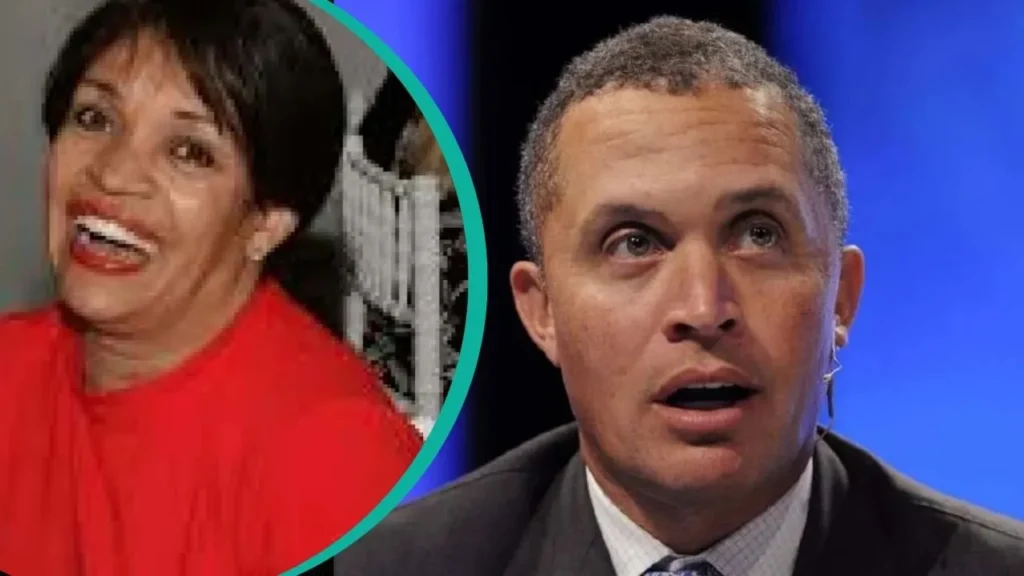
Dorothy Bowles Ford’s marriage to Harold Ford Sr. marked the beginning of her association with national politics. Harold Ford Sr. became a prominent political figure when he was elected to Congress in 1974, representing Tennessee’s 9th congressional district. His tenure lasted until 1997, establishing him as a respected Democratic leader.
During their marriage, Dorothy supported her husband through campaigns, public appearances, and legislative responsibilities. Political life required constant travel, public scrutiny, and community engagement. Therefore, maintaining family balance demanded patience and resilience. Dorothy played a central role in ensuring domestic stability while her husband fulfilled public duties. However, like many marriages under political pressure, theirs eventually faced challenges that led to separation and divorce.
Despite the end of their marriage, Dorothy’s contribution during those formative political years remained significant. She helped sustain family unity and provided emotional support during intense political cycles.
Who Is Harold Ford Sr.?
Harold Ford Sr. served in the United States House of Representatives for over two decades. He became one of the most prominent African American political leaders from Tennessee during his era. His career included advocacy for civil rights, economic development, and community advancement.
As a congressman, Harold Ford Sr. gained national recognition. However, his demanding career inevitably shaped family dynamics. Dorothy Bowles Ford navigated these circumstances while preserving stability at home. Therefore, understanding Harold Ford Sr.’s influence provides essential context for appreciating Dorothy’s supportive yet understated role.
Life as a Political Spouse
Being married to a congressman requires adaptability, emotional intelligence, and strength. Dorothy Bowles Ford experienced the pressures of public scrutiny, media attention, and community expectations. Although she rarely sought personal publicity, her presence remained important in social and campaign settings.
Moreover, political spouses often shoulder significant behind-the-scenes responsibilities. They maintain households, manage social engagements, and provide emotional grounding. Dorothy fulfilled these responsibilities with discretion, choosing composure over attention. Consequently, she embodied the quiet strength frequently required of political partners.
Family Life and Motherhood
Family life represented one of the most defining and emotionally meaningful dimensions of Dorothy Bowles Ford’s journey. While public attention often focused on the political achievements of her husband and later her son, the private structure of the household remained largely shaped by her values, discipline, and steady guidance. Motherhood was not simply a personal responsibility for her; it became a foundational mission rooted in education, character formation, and moral accountability. She cultivated a home environment where expectations were clear, standards were high, and intellectual curiosity was encouraged. Rather than relying solely on political privilege or public recognition, she emphasized the importance of hard work, academic excellence, and civic awareness within daily family life.
In addition, Dorothy Bowles Ford placed significant importance on emotional resilience and personal responsibility. She understood that children raised around politics would inevitably encounter scrutiny and pressure, so she worked deliberately to instill confidence and independence from a young age. Conversations around the dinner table reportedly centered not only on public affairs but also on integrity, leadership, and ethical decision making. Consequently, her nurturing approach blended warmth with structure, creating balance between encouragement and discipline. This thoughtful combination allowed her children to grow with a grounded understanding of both opportunity and accountability. Ultimately, motherhood became her most enduring contribution, shaping the next generation of the Ford family with clarity of purpose and internal strength.
Dorothy Bowles Ford and Harold Ford Jr.
The relationship between Dorothy Bowles Ford and her son, Harold Ford Jr., stands as one of the most visible reflections of her influence. When Harold Ford Jr. later entered politics and represented Tennessee in Congress, many observers recognized the continuation of a family legacy. However, beyond inherited political exposure, his development carried unmistakable traces of maternal guidance. Dorothy Bowles Ford emphasized education as a non negotiable priority, encouraging intellectual discipline and preparation long before public office became a realistic ambition. This early foundation played a pivotal role in shaping his communication skills, analytical thinking, and public confidence.
Moreover, Harold Ford Jr.’s leadership style often reflected composure, adaptability, and strategic awareness, qualities that align closely with the structured upbringing his mother fostered. During speeches and public engagements, he frequently referenced family values, perseverance, and responsibility, themes deeply embedded within his childhood environment. Therefore, while his political career drew public attention, the formative influence behind that career largely developed within the quiet consistency of maternal mentorship. Dorothy Bowles Ford’s contribution extended beyond simple parental support; it functioned as a strategic and emotional framework that enabled her son to navigate competitive political landscapes with stability and clarity.
Role in the Ford Political Legacy
The Ford family established one of the most recognized political presences in Tennessee, with Harold Ford Sr. serving in Congress and later generations continuing involvement in public affairs. Although Dorothy Bowles Ford did not pursue elected office herself, her role within this political legacy should not be underestimated. Political families often rely on strong internal cohesion to sustain long term influence, and she contributed significantly to maintaining that cohesion during critical years of expansion and visibility. By fostering unity within the household and reinforcing shared values, she helped ensure that public ambition did not fragment private relationships.
Furthermore, her influence illustrates how political continuity often depends on unseen labor. Stability at home frequently strengthens public endurance, and Dorothy Bowles Ford’s steady presence provided that stabilizing force. She encouraged civic awareness while also safeguarding family identity from being consumed entirely by politics. As a result, the Ford legacy expanded with a sense of generational continuity rather than mere ambition. Her quiet reinforcement of discipline and mutual respect created a durable foundation that allowed the family name to sustain credibility across decades. In this sense, her contribution forms a subtle but essential chapter in the broader narrative of the Ford political dynasty.
Marriage Challenges and Separation
Political life introduces pressures that extend far beyond campaign seasons and legislative debates. Long hours, travel demands, media scrutiny, and constant public evaluation can strain even resilient relationships. Dorothy Bowles Ford and Harold Ford Sr. eventually faced such pressures within their marriage, leading to divorce and a significant personal transition. Although public records confirm the separation, detailed commentary remained limited, reflecting Dorothy’s consistent preference for discretion. Instead of amplifying conflict through media narratives, she handled the situation with restraint and composure.
Importantly, her approach to separation demonstrated maturity and emotional intelligence. Divorce within political families can often evolve into public controversy, yet she avoided public accusations or sensational responses. By prioritizing dignity and family stability, she reduced unnecessary exposure for her children and preserved mutual respect within broader family circles. This measured response also reinforced her broader life philosophy centered on privacy and self control. Rather than allowing personal challenges to define her public image, she navigated the transition quietly, maintaining integrity during a period that could easily have invited public speculation.
Life After Divorce
Following her divorce, Dorothy Bowles Ford entered a new chapter marked by independence and personal recalibration. Instead of remaining closely associated with political circles, she gradually withdrew from public visibility and concentrated on private growth. This shift reflected not retreat but intentional boundary setting. After years connected to congressional life and political campaigns, she redirected focus toward family support, personal reflection, and self defined stability.
Moreover, this period allowed her to redefine her identity beyond the role of political spouse. Transitioning from a high profile marriage into private life requires emotional resilience, and she appeared to embrace that transition thoughtfully. By maintaining discretion and avoiding public commentary, she reinforced her long standing commitment to privacy. Additionally, she continued to support her children’s professional paths while cultivating independence in her own daily life. This stage illustrates adaptability, proving that life beyond public association can still carry purpose and fulfillment when approached with clarity and intention.

Career, Professional Life, and Personal Interests
Public documentation regarding Dorothy Bowles Ford’s professional career remains limited, which aligns with her preference for privacy. Nevertheless, her years supporting a congressional household suggest developed organizational strength, communication skill, and strategic awareness. Managing family life alongside political responsibilities requires coordination and social intelligence, traits that often translate into professional competence across multiple fields. While specific employment records are not widely reported, her ability to navigate high pressure environments indicates strong administrative and interpersonal capabilities.
In addition, personal interests likely centered around community engagement, education, and family development. Political spouses frequently participate in charitable initiatives, local outreach programs, and social advocacy efforts, even when media coverage remains minimal. Therefore, although documentation remains sparse, it is reasonable to infer that her professional and community engagements reflected her values of discipline and service. By maintaining a low public profile, she retained control over her narrative and prioritized meaningful contributions rather than public recognition.
Public Attention and Media Coverage
Media coverage concerning Dorothy Bowles Ford primarily focused on her marriage to Harold Ford Sr. and her connection to Harold Ford Jr. Unlike many individuals associated with political families, she refrained from leveraging visibility for interviews or commentary. This deliberate restraint reduced the likelihood of controversy and preserved personal dignity. In an era increasingly characterized by media amplification, her decision to remain largely silent stands out as a conscious and strategic boundary.
Furthermore, limiting public engagement allowed her to prevent misinterpretation and speculation from escalating. When individuals connected to public figures choose constant exposure, narratives can easily become distorted. By contrast, Dorothy Bowles Ford maintained distance from media cycles, reinforcing her autonomy. Her approach demonstrates how silence can function as strength rather than absence. Through minimal commentary, she maintained authority over her own story and avoided unnecessary public scrutiny.
Private Personality and Lifestyle
Dorothy Bowles Ford’s personality appears defined by composure, restraint, and thoughtful independence. Rather than seeking validation through headlines, she cultivated meaningful relationships within trusted circles. Her lifestyle reflects stability and balance, emphasizing family connection and personal integrity over public acclaim. This reserved disposition likely contributed to her ability to navigate political environments without becoming consumed by them.
Additionally, her preference for privacy suggests strong internal confidence. Individuals who resist public spectacle often do so because they prioritize authenticity over performance. Her life trajectory reveals deliberate decision making rooted in personal values rather than external expectations. By maintaining a calm and grounded presence, she exemplifies the importance of internal steadiness in environments frequently driven by ambition and competition.
Influence on Her Children’s Success
Dorothy Bowles Ford’s influence on her children’s achievements extends beyond education alone. She cultivated discipline, accountability, and civic awareness within the home, preparing them for leadership roles long before public office became reality. Structured routines, high expectations, and consistent encouragement contributed to intellectual development and emotional resilience. These foundational elements often determine long term success more than public exposure alone.
Moreover, her encouragement reinforced confidence during moments of challenge. Political careers inevitably involve setbacks, criticism, and electoral uncertainty. By instilling resilience early in life, she equipped her children with tools necessary for sustained ambition. Consequently, her impact remains visible not only in career milestones but also in personal conduct and communication style. Through consistent mentorship, she shaped individuals capable of navigating complex public arenas with composure.
Relationship with the Ford Family
Despite the end of her marriage, Dorothy Bowles Ford remains connected to the broader Ford family narrative through shared history and parenting responsibilities. Mutual respect appears to define ongoing interactions, particularly in matters involving children and grandchildren. Maintaining cordial relationships after divorce requires maturity and balanced communication, qualities she consistently demonstrated.
Furthermore, her commitment to family unity transcended marital status. By prioritizing stability for her children, she preserved generational continuity within the family structure. This approach strengthened relationships across extended networks and ensured that personal transitions did not fracture broader family cohesion. Her ability to sustain respectful connections highlights emotional intelligence and forward thinking perspective.
Challenges of Living in the Public Eye
Association with political life inevitably invites public scrutiny, speculation, and commentary. Dorothy Bowles Ford experienced these pressures while married to a congressman and later as the mother of a public figure. However, she navigated this environment with measured composure. Rather than reacting to rumors or external judgments, she maintained steady focus on family priorities.
Importantly, this restraint minimized conflict and preserved dignity. Public visibility often amplifies minor disagreements into major controversies. By declining participation in public disputes, she protected both personal integrity and family stability. Her ability to remain calm under external pressure reflects disciplined self awareness and thoughtful boundary setting.
Public Curiosity and Untold Aspects of Her Life
Curiosity surrounding Dorothy Bowles Ford persists largely because she chose privacy over publicity. Limited interviews and minimal public statements create informational gaps that naturally invite speculation. Nevertheless, her discretion should be interpreted as intentional autonomy rather than secrecy. Protecting personal boundaries demonstrates self respect and clarity about what aspects of life belong in public discourse.
Moreover, untold aspects of her life reinforce the understanding that not all narratives require full exposure. In an era of constant sharing, her reserved stance serves as a reminder that dignity often thrives in discretion. By controlling her visibility, she maintained ownership over her identity rather than allowing public curiosity to define it.
Financial Overview and Net Worth Insights
Estimates suggest that Dorothy Bowles Ford’s net worth ranges between one and two million dollars, although exact figures remain private. This estimation likely reflects personal assets, investments, and potential divorce settlements. Financial independence strengthens personal autonomy, particularly after transitions such as divorce.
Additionally, her understated lifestyle suggests practical financial management rather than extravagance. By maintaining privacy around financial details, she avoided unnecessary speculation and preserved security. Economic stability provided flexibility and self determination during later chapters of life.
Where Is Dorothy Bowles Ford Now?
Currently, Dorothy Bowles Ford maintains a low profile within the United States. Public appearances remain rare, consistent with her long standing preference for privacy. She appears focused on family relationships, personal fulfillment, and stability away from political headlines.
This stage of life emphasizes reflection rather than expansion. After decades connected to public service environments, she has embraced quieter routines and personal autonomy. Her continued privacy reinforces the consistency of her values across different life phases.
Legacy and Lasting Impact
Dorothy Bowles Ford’s legacy centers on quiet influence, disciplined motherhood, and steadfast resilience. Although she did not seek elected office or public recognition, her contributions significantly shaped a political family’s trajectory. Through education, structure, and emotional guidance, she strengthened the foundation upon which later achievements were built.
Ultimately, her story illustrates that influence does not always require visibility. Behind prominent public figures often stand individuals who provide stability, perspective, and enduring support. Dorothy Bowles Ford embodies that steady presence. Her life demonstrates how dignity, discretion, and devotion to family can create lasting impact that extends well beyond headlines.
Conclusion
Dorothy Bowles Ford represents dignity, resilience, and quiet influence. As the former wife of Harold Ford Sr. and mother of Harold Ford Jr., she contributed significantly to a prominent political family. Nevertheless, she consistently chose privacy over publicity. Her story highlights how personal strength and family dedication can shape public legacies without direct participation in political office. Through discipline, discretion, and commitment to family values, Dorothy Bowles Ford created a lasting impact that continues to resonate.
FAQs
Who is Dorothy Bowles Ford?
Dorothy Bowles Ford is the former wife of Harold Ford Sr. and mother of Harold Ford Jr., known for her connection to the Ford political family.
Was Dorothy Bowles Ford involved in politics?
She did not hold political office but supported her husband’s congressional career and influenced her children’s leadership paths.
What is Dorothy Bowles Ford’s estimated net worth?
Her estimated net worth ranges between $1 million and $2 million, based on private financial assessments.
Is Dorothy Bowles Ford still active publicly?
She maintains a private lifestyle and rarely appears in public or media interviews.
What is her legacy?
Her legacy centers on family influence, resilience, and support within the Ford political dynasty.
VISIT MORE : Circle Magazine