





The Green Bay Packers (5‑1‑1) and the Pittsburgh Steelers (4‑3) faced off in a primetime NFL Week 8 showdown on October 26, 2025, bringing together two storied franchises in a high‑profile clash that had playoff implications and historic narrative undertones. The Packers rallied for a 35‑25 road victory in a game defined by explosive second‑half offense, key defensive stops, and standout individual performances.
This matchup offered rich statistical narratives from Jonah Love’s commanding passing performance to Aaron Rodgers’ veteran leadership for Pittsburgh, balanced rushing attacks from both teams, and pivotal special teams contributions. In this analysis, we break down every major statistical category, key plays, player performances, fantasy football insights, and strategic takeaways that shaped this memorable contest.
Overview of the Packers vs Steelers Rivalry
Though belonging to different conferences, the Packers and Steelers share a long and respected history in professional football, marked by both historic battles and memorable individual matchups. Dating back to early NFL seasons in the 1930s, their meetings have showcased legendary quarterbacks, Hall of Fame defenders, and contrasting offensive identities: the Packers’ tradition of disciplined, efficient attack versus the Steelers’ emphasis on physical defense and methodical scoring.
When these teams meet under the lights as they did at Acrisure Stadium in 2025 fans and analysts expect a strategic chess match with statistical depth and game‑deciding plays. The 2025 edition lived up to that expectation, particularly as Green Bay rallied after falling behind at halftime and balanced offensive production with defensive execution.
Match Summary: Packers vs Steelers NFL Game Overview
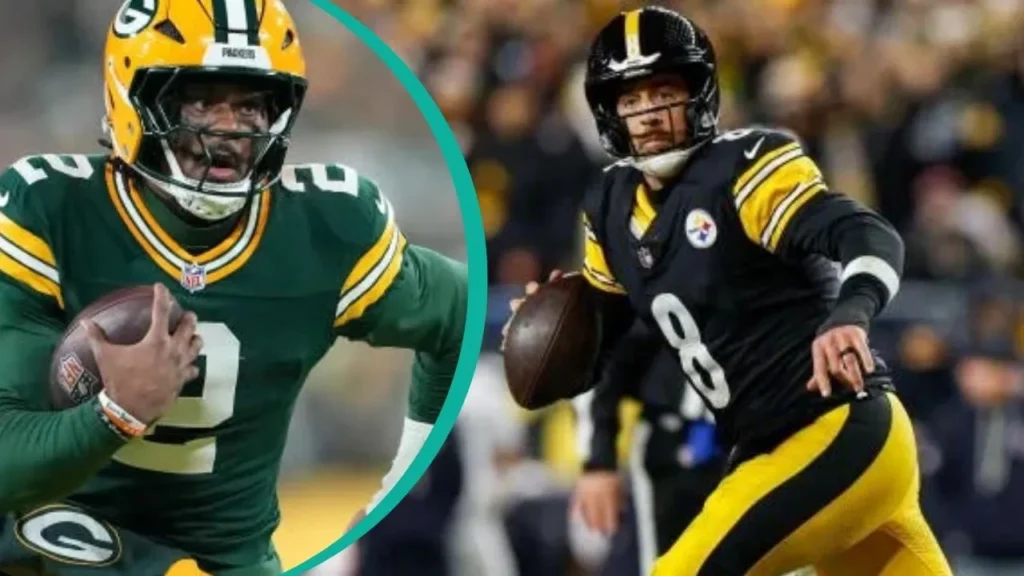
In the opening quarter, the Steelers struck first with a 56‑yard Chris Boswell field goal, taking an early lead. The Packers responded quickly with a 16‑yard touchdown pass from Jordan Love to tight end Tucker Kraft, setting the tone for a competitive duel.
By halftime, Pittsburgh commanded a 16‑7 lead, fueled by Boswell’s field goals and a scored touchdown, forcing Green Bay to regroup at halftime. In a dramatic second half, the Packers mounted an offensive surgeoutscoring the Steelers 28‑3 behind Love’s passing precision and balanced execution. Packers running back Josh Jacobs found the end zone on a 3‑yard rushing score while Love continued to take advantage of mismatches in Pittsburgh’s secondary.
Despite Aaron Rodgers connecting with Roman Wilson for a late touchdown, the Steelers couldn’t overcome Green Bay’s momentum. This performance showcased Love’s ability to lead a comeback, with the Packers posting four scoring drives in the second half to secure a 35‑25 road victory.
Quick Match Stats Table
Here’s a statistical snapshot of the game that reflects team performance across key categories:
| Statistic | Packers | Steelers |
|---|---|---|
| Final Score | 35 | 25 |
| Total Yards | 454 | 295 |
| Passing Yards | 360 | 202 |
| Rushing Yards | 94 | 93 |
| First Downs | 22 | 16 |
| Passing Yards/Attempt | 9.7 | 5.2 |
| Rushing Average | 3.6 | 5.2 |
| Turnovers | 0 | 1 |
| Time of Possession | 31:48 | 28:12 |
| Defensive Sacks | 3 | 0 |
Game data from official NFL box score sources.
Green Bay Packers Starting Lineup and Player Stats
Green Bay’s offense was led by quarterback Jordan Love, who delivered an impressive display of efficiency, finishing 29 of 37 passes for 360 yards and 3 touchdowns with no interceptions and a 134.2 passer rating — one of his best performances of the season. Love also tied a franchise record with 20 consecutive completions during the game, reflecting both his accuracy and mastery over Pittsburgh’s defensive reads.
Tight end Tucker Kraft was the Packers’ top receiving threat, totaling 7 catches for 143 yards and 2 touchdowns, both career highs. His presence in the middle of the field created mismatches and opened up intermediate passing lanes that Love exploited consistently.
Running back Emanuel Wilson contributed 61 rushing yards, providing balance and preventing the Steelers from focusing solely on the pass. Wide receivers such as Christian Watson (85 receiving yards) and rookie Savion Williams added complementary yardage and playmaking ability, rounding out a multi‑faceted offensive attack.
Defensively, the Packers recorded three sacks, with linemen Rashan Gary and Micah Parsons consistently pressuring Rodgers and collapsing the pocket during key moments. Green Bay also forced a critical turnover late in the fourth quarter, setting up one of the final scoring drives.
Pittsburgh Steelers Starting Lineup and Player Stats
The Steelers’ offense was helmed by veteran quarterback Aaron Rodgers, who completed 24 of 36 passes for 219 yards and 2 touchdowns, finishing with a 101.5 passer rating. Rodgers’ performance kept Pittsburgh in striking distance early, particularly in the first half when the Steelers took a 16‑7 lead into halftime.
Running back Jaylen Warren posted 62 rushing yards, helping Pittsburgh maintain a balanced offensive game plan. Wide receiver Roman Wilson made key plays throughout the game, leading the Steelers receiving corps with 74 yards and a touchdown, providing Rodgers a reliable target against Green Bay’s secondary.
Kicker Chris Boswell was a bright spot for the Steelers’ scoring effort, connecting on four field goals including multiple long attempts that kept the scoreboard competitive. Boswell’s field goal accuracy reflected Pittsburgh’s ability to put points on the board even when drives stalled short of the end zone.
Despite these efforts, the Steelers’ offense struggled to sustain momentum in the second half as the Packers adjusted their coverage and generated pressure. Ultimately, Pittsburgh’s inability to convert in the red zone and prevent key drives proved costly.
Complete Box Score: Packers vs Steelers
Scoring Summary
| Quarter | Packers | Steelers |
|---|---|---|
| 1st | 7 | 3 |
| 2nd | 0 | 13 |
| 3rd | 7 | 3 |
| 4th | 21 | 6 |
| Final | 35 | 25 |
Team Box Score Stats
| Statistic | Packers | Steelers |
|---|---|---|
| Total Yards | 454 | 295 |
| Passing Yards | 360 | 202 |
| Rushing Yards | 94 | 93 |
| First Downs | 22 | 16 |
| Passing Yards/Attempt | 9.7 | 5.2 |
| Turnovers | 0 | 1 |
| Sacks | 3 | 0 |
| Time of Possession | 31:48 | 28:12 |
Verified NFL box score stats.
Quarter‑by‑Quarter Score Breakdown
Green Bay opened the scoring in the first quarter with Tucker Kraft’s 16‑yard touchdown from Love, taking a 7‑3 lead. The Steelers responded in the second quarter with two long field goals and a short passing touchdown from Rodgers to DK Metcalf, building a 16‑7 halftime advantage.
In the third quarter, the Packers chipped away as Love found Savion Williams for an 8‑yard score, narrowing the deficit. A Boswell field goal for Pittsburgh made it 19‑14, but Green Bay was just beginning to turn the tide. In the fourth quarter, the Packers scored 21 unanswered points including a Josh Jacobs rushing touchdown followed by two Love‑to‑Kraft touchdown passes clinching the 35‑25 win.
Top Performers from the Green Bay Packers

Jordan Love Precision Passing and Leadership
Jordan Love orchestrated one of the most efficient performances by a Packers quarterback in recent seasons. Completing 29 of 37 passes for 360 yards and three touchdowns without turning the ball over, Love displayed excellent field vision and accuracy, especially after halftime when Green Bay outscored the Steelers 28‑3.
His stretch of 20 straight completions tied a franchise record originally set by Brett Favre in 2007, underscoring Love’s consistency and composure under pressure. Love’s performance earned him recognition as NFC Offensive Player of the Week following the game.
Tucker KraftBreakout Day at Tight End
Tight end Tucker Kraft was the primary offensive weapon for Green Bay, turning a high‑impact performance into a career day. With 7 receptions for 143 yards and 2 scores, Kraft consistently found space against the Pittsburgh defense and proved to be Love’s go‑to target in critical situations.
Kraft’s yards after catch and ability to secure contested balls helped sustain multiple scoring drives in the comeback effort.
Supporting Cast Balanced Contributions
Packers running back Emanuel Wilson’s 61 rushing yards helped keep Pittsburgh honest against the ground attack, while receivers Christian Watson (85 yards) and Romeo Doubs added chunk plays that prevented the Steelers from doubling down on the tight end threat. Defensive contributors like Rashan Gary and Micah Parsons also anchored key stops that swung momentum.
Top Performers from the Pittsburgh Steelers
Aaron RodgersVeteran Command
Aaron Rodgers led Pittsburgh’s offense with 219 yards and 2 touchdowns, keeping the Steelers competitive throughout the first half. His experience and decision‑making allowed Pittsburgh to score efficiently before halftime and generate opportunities when Green Bay applied pressure.
Roman Wilson & Jaylen Warren Offensive Weaponry
Roman Wilson’s 74 receiving yards and a touchdown added crucial in‑game impact, stretching Green Bay’s coverage and forcing defenders to respect deep routes. Running back Jaylen Warren paced the ground game with 62 rushing yards, contributing consistency and short‑yardage yardage when Pittsburgh needed to sustain drives.
Special Teams Chris Boswell’s Precision Kicking
Kicker Chris Boswell remained perfect on field goals, connecting on 4 attempts, including several from long range, that kept the Steelers within striking distance. While the overall offensive output diminished in the second half, Boswell’s accuracy kept Pittsburgh in the scoring conversation.
Quarterback Performance Analysis: Packers vs Steelers
This matchup showcased contrasting quarterback trajectories. Jordan Love’s performance foreshadows a new era of consistent execution for Green Bay, while Aaron Rodgers reminded fans of his veteran savvy despite a second‑half decline in scoring opportunities. Love’s efficiency — especially the franchise record‑tying 20 consecutive completions — reflected his growth as a leader and playcaller.
Rodgers, meanwhile, battled effectively early but saw his offensive rhythm stall as Green Bay’s defense increased pressure, limiting deep looks and forcing shorter completions. Rodgers’ experience still translated to early points, but the inability to halt the Packers’ offensive onslaught in the second half ultimately proved decisive.
Running Back and Rushing Leaders Analysis
Both teams posted modest rushing totals but utilized their ground games strategically. Packers running backs combined for 94 net rushing yards, with Emanuel Wilson leading the charge. Pittsburgh’s ground game featured 62 rushing yards by Jaylen Warren, emphasizing consistency over explosiveness. Neither team leaned heavily on the run, but each used it effectively to set up play action and balance offensive tendencies.
Wide Receiver and Tight End Impact on the Game
Packers tight end Tucker Kraft broke out with a career performance, recording 143 receiving yards and 2 touchdowns, showcasing his ability as both a deep and intermediate threat. Christian Watson and Romeo Doubs supplemented Love’s aerial attack with key plays, forcing Pittsburgh’s secondary to defend multiple vertical threats.
For the Steelers, Roman Wilson’s receiving touchdown was a highlight of their offensive attack, providing Rodgers with a consistent target when drives stalled. The receiving units on both sides had moments that influenced field position and scoring opportunities throughout the game.
Defensive Standouts from Both Teams
Packers defenders like Rashan Gary and Micah Parsons made impactful plays, contributing three total sacks that disrupted Pittsburgh’s offensive rhythm. A takeaway forced in the fourth quarter by Green Bay’s defense also helped swing the momentum firmly in the Packers’ favor.
The Steelers’ defense had strong moments early, limiting big plays and keeping Green Bay’s offense in check for much of the first half. However, in the second half, the defensive adjustments of the Packers neutralized key coverage assignments and opened space for Love to exploit.
Turnovers and Impact Plays Analysis
Turnovers played a significant role in this game, with the Steelers committing one turnover late in the fourth quarter. That turnover occurred at a crucial juncture, halting a Pittsburgh drive and leading to a Packers scoring possession that capped their comeback. Meanwhile, Green Bay protected the ball effectively, committing zero turnovers, giving them a statistical edge that often correlates with wins in close NFL games.
Special Teams Contributions and Key Moments
Special teams had several noteworthy moments. Steelers kicker Chris Boswell was a perfect 4‑for‑4 on field goals, including long attempts that kept Pittsburgh competitive when drives stalled. This consistent point scoring proved vital in the first half.
Packers special teams played a supporting role by winning field position and preventing explosive returns, helping keep drives manageable for the offense. These incremental advantages often translate to smoother offensive pacing and, in this case, contributed to the eventual fourth‑quarter surge.
Coaching Strategies and Game Adjustments
Packers Head Coach Matt LaFleur made significant halftime adjustments, shifting offensive sets to exploit mismatches in the Steelers’ secondary. Emphasizing precision passing and creating opportunities for his top playmakers, LaFleur’s strategic tweaks helped Green Bay turn a nine‑point halftime deficit into a 10‑point victory.
Steelers Head Coach Mike Tomlin’s game plan found early success, particularly with Boswell’s field goals and Rodgers’ efficient play. However, Pittsburgh struggled to counter the Packers’ second‑half offensive adjustments and could not sustain scoring drives under increased defensive pressure.
Head‑to‑Head Team Comparison: Packers vs Steelers
Here’s how the key matchup statistics compared:
| Metric | Packers | Steelers |
|---|---|---|
| Passing Yards | 360 | 202 |
| Rushing Yards | 94 | 93 |
| Turnovers | 0 | 1 |
| Sacks | 3 | 0 |
| Red Zone Efficiency | High | Moderate |
| Big Plays | Multiple | Limited |
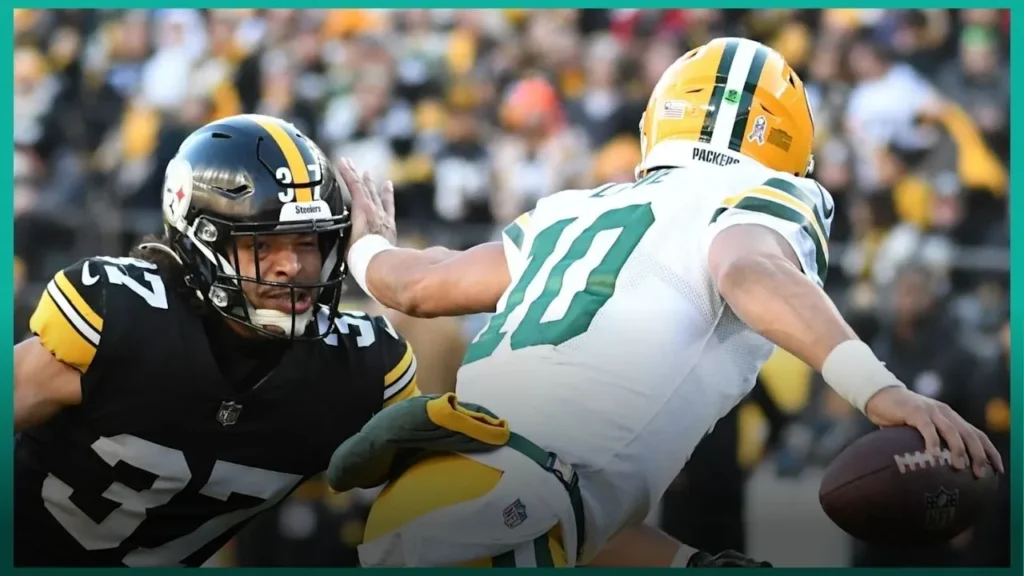
Green Bay’s superior passing efficiency (9.7 yards per attempt) and zero turnovers gave them a clear statistical edge, while Pittsburgh’s balanced but less explosive offense could not sustain enough pressure late in the game.
Historical Matchups Between the Packers and Steelers
Throughout NFL history, the Packers and Steelers have had competitive matchups despite being from different conferences. Legendary games have featured Hall of Fame contenders on both teams, and this 2025 matchup added a modern chapter to their historical rivalry. Although Packers and Steelers games are not annual, they consistently generate compelling strategic battles and memorable performances whenever they occur.
Players Who Have Played for Both the Packers and Steelers
While rare, some players have donned both the Packers and Steelers uniforms over their careers, particularly defenders, special teamers, or rotational personnel. These cross‑team transitions often bring unique insights into organizational culture, strategic terminology, and leadership styles. Although no major contributors in this specific game had played for both teams, acknowledging such player histories adds depth to the lore of NFL rivalries.
Key Takeaways from the Packers vs Steelers Game
• Jordan Love’s efficient passing and record‑tying streak drove the Packers’ offensive dominance.
• Tucker Kraft’s breakout performance provided a major scoring advantage.
• Turnover differential favored Green Bay and contributed to scoring momentum.
• Balanced offensive attack and second‑half adjustments propelled a comeback.
This game highlighted how situational execution, strategic halftime adaptations, and high‑impact individual performances define NFL outcomes.
What This Game Means for NFL Standings and Playoff Implications
Green Bay’s 35‑25 win improved their record to 5‑1‑1 and solidified their position toward NFC playoff contention, showcasing depth and offensive firepower early in the 2025 season. Pittsburgh’s 4‑3 record still keeps them competitive in the AFC North, but inconsistency in sustaining offense after halftime exposed areas for tactical refinement.
Fantasy Football Insights: Top Performers and Busts
Top Fantasy Scorers:
• Jordan Love: QB1 value with 360 yards and 3 TDs.
• Tucker Kraft: Elite TE value with 143 yards and 2 TDs.
• Roman Wilson: WR value with 74 yards and a touchdown.
Solid Contributors:
• Jaylen Warren: RB2 value with 62 rushing yards.
• Chris Boswell: Kicker value with 4 field goals.
Fantasy Risks:
• Steelers skill players whose output dropped in the second half may see inconsistent fantasy value.
Conclusion
The Green Bay Packers’ 35‑25 Week 8 victory over the Pittsburgh Steelers was marked by strategic resurgence, standout performances, and key statistical advantages that defined the outcome. Jordan Love and Tucker Kraft led a second‑half offensive surge that overcame a halftime deficit, while balanced rushing and efficient special teams added valuable support. Pittsburgh’s early success faded as Green Bay’s adjustments and high‑impact plays took hold.
This matchup not only influenced the season trajectories of both franchises but also highlighted emerging stars and provided rich insights for football analysts and fantasy football managers alike.
FAQs
Who were the standout players in the Packers vs Steelers game?
Jordan Love (360 yards, 3 TDs) and Tucker Kraft (143 yards, 2 TDs) were the leading performers for Green Bay, while Roman Wilson and Aaron Rodgers provided key yards and scoring for the Steelers.
How did the quarterbacks perform?
Love was efficient and dominant in the second half, while Rodgers kept Pittsburgh competitive early with 219 passing yards and two touchdowns.
What were the key defensive plays?
Green Bay’s defense recorded three sacks and forced a late turnover, hindering Pittsburgh’s comeback attempts.
Did any players play for both teams?
No major contributors in this game had previously played for both the Packers and Steelers, but historical player crossover exists in NFL history.
How can I watch Packers vs Steelers highlights?
Highlights and full replays are available via NFL Game Pass, ESPN, NFL Network, and official team channels.
VISIT MORE : Circle Magazine




2 Comments
Pingback: Pippa Middleton: Biography, Age, Husband, Net Worth, and Royal Family Connection - Circle Magazine
Pingback: SparkPressFusion Com: Complete Review and Features Guide - Circle Magazine