






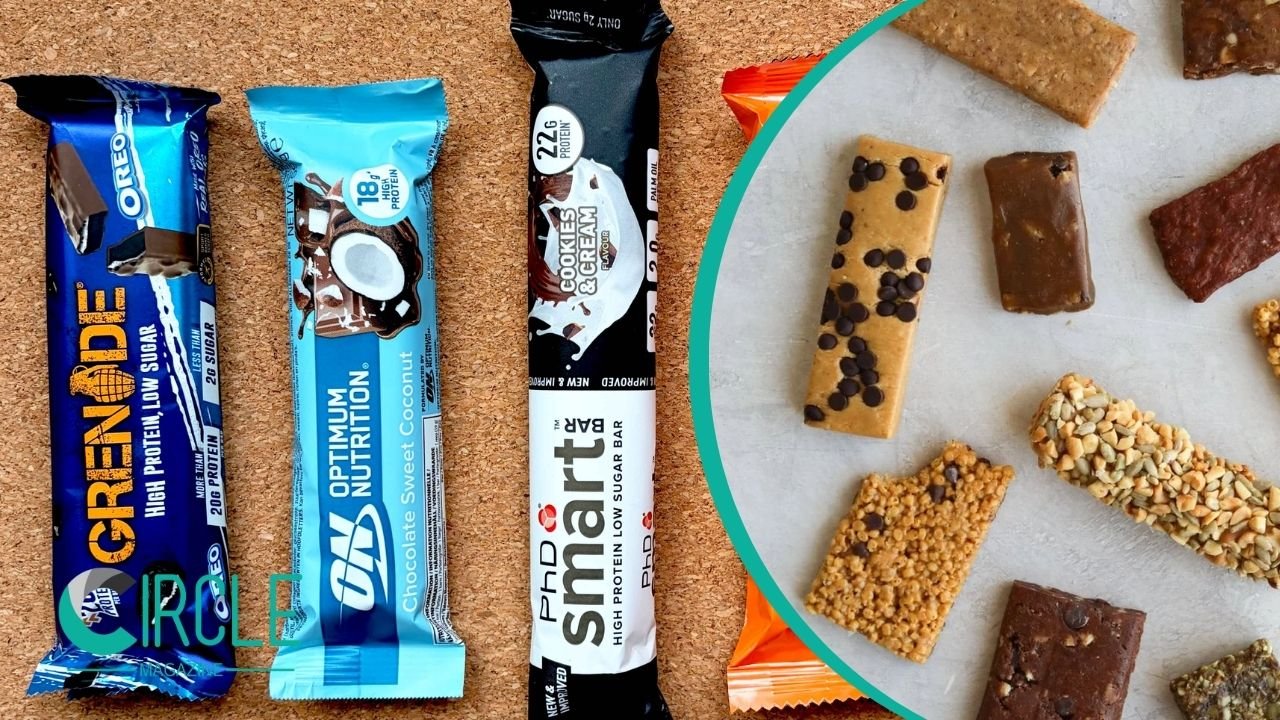
Protein bars have become one of the most popular on-the-go nutrition options for people with busy lifestyles. From gym-goers and athletes to office workers and travelers, many people rely on protein bars for quick energy and convenience. However, not all protein bars are created equal. Some are packed with sugar, artificial additives, and low-quality protein sources, while others offer balanced nutrition made from clean ingredients. Understanding what makes the healthiest protein bars truly healthy is essential before adding them to your daily routine.
Quick Overview of Protein Bars and Their Popularity
Protein bars gained popularity as a convenient way to increase protein intake without cooking full meals. They fit easily into gym bags, purses, and desk drawers, making them a practical snack option. Over time, brands expanded their offerings to target different goals such as weight loss, muscle gain, energy, and meal replacement. This rapid growth also led to marketing confusion, where many bars appear healthy on the surface but fall short nutritionally.
What Are Protein Bars and Why Are They So Popular?
Protein bars are compact food products designed to provide protein along with carbohydrates, fats, and sometimes added vitamins and minerals. Their popularity comes from convenience, shelf stability, and ease of consumption. Many people use protein bars to support fitness goals, manage hunger between meals, or replace unhealthy snacks. However, popularity does not always equal quality, which is why ingredient awareness matters.
What Makes a Protein Bar Truly Healthy?
A truly healthy protein bar contains high-quality protein, minimal added sugar, whole-food ingredients, and balanced macronutrients. It should support energy levels without causing blood sugar spikes or digestive discomfort. The healthiest protein bars focus on nutrition first, not just taste or marketing claims. Ingredient transparency and nutritional balance define quality more than flashy packaging.
Understanding Protein Content in Protein Bars
Protein content varies widely among protein bars, ranging from as little as 5 grams to over 25 grams per bar. While higher protein content can be beneficial, quality matters more than quantity. A bar with moderate protein from clean sources often supports health better than one overloaded with processed protein isolates and fillers.
How Much Protein Do You Really Need Per Bar?
Most people benefit from protein bars containing 10 to 20 grams of protein. This amount supports muscle repair, satiety, and energy without overloading the digestive system. Athletes or individuals with higher protein needs may prefer bars with slightly more protein, while casual snackers often do better with moderate levels.
Plant-Based vs Animal-Based Protein Sources
Protein bars use both plant-based and animal-based protein sources. Whey and casein provide complete amino acid profiles, while plant proteins like pea, rice, and soy offer dairy-free alternatives. The healthiest protein bars often combine multiple plant proteins to create a balanced amino acid profile, making them suitable for vegans and vegetarians.
The Role of Ingredients in Healthy Protein Bars
Ingredients determine whether a protein bar supports health or undermines it. Whole, recognizable ingredients usually signal better quality. Bars made with nuts, seeds, oats, and natural sweeteners provide more nutritional value than those relying on synthetic additives.
Whole Food Ingredients vs Processed Additives
Whole food ingredients offer fiber, micronutrients, and natural energy. Processed additives often serve as fillers or flavor enhancers without nutritional benefits. The healthiest protein bars prioritize ingredients you can recognize and pronounce, which often leads to better digestion and sustained energy.
Common Artificial Ingredients to Avoid
Artificial sweeteners, hydrogenated oils, synthetic preservatives, and artificial colors reduce nutritional quality. While these ingredients may extend shelf life or enhance flavor, they often cause digestive discomfort and contribute little to overall health. Reading labels carefully helps avoid these unnecessary additives.
Sugar Content in Protein Bars Explained
Sugar content is one of the biggest concerns when choosing protein bars. Some bars contain as much sugar as candy bars, which defeats their health purpose. Monitoring sugar levels helps maintain stable energy and avoid crashes.
Natural Sugars vs Added Sugars
Natural sugars from dates, honey, or fruit provide energy along with nutrients. Added sugars like corn syrup and refined sugar spike blood glucose levels quickly. The healthiest protein bars rely on natural sweeteners in moderation rather than excessive added sugars.
Are Sugar Alcohols Healthy or Harmful?
Sugar alcohols like erythritol and maltitol reduce calorie content but can cause bloating or digestive discomfort in some people. While they may be acceptable in small amounts, bars overloaded with sugar alcohols often sacrifice digestive comfort for sweetness.
Fiber Content and Its Importance in Protein Bars
Fiber supports digestion, blood sugar control, and satiety. Protein bars with adequate fiber help you feel full longer and reduce cravings. The healthiest protein bars often contain at least 5 grams of fiber from natural sources like oats, nuts, or seeds.
Fats in Protein Bars: Healthy vs Unhealthy Fats
Fats play an important role in energy and nutrient absorption. Healthy fats from nuts, seeds, and coconut support sustained energy. Unhealthy fats, such as trans fats or excessive refined oils, reduce nutritional quality.
Why Omega Fats Matter
Omega-3 and omega-6 fatty acids support heart health, brain function, and inflammation control. Protein bars containing nuts and seeds often provide beneficial omega fats, adding value beyond basic macronutrients.
Calories and Portion Control in Protein Bars
Calories matter, especially for people managing weight. Protein bars range from 150 to over 400 calories. Choosing a bar that aligns with your goals prevents overconsumption while still providing nourishment.
Micronutrients Found in the Healthiest Protein Bars


Some protein bars include vitamins and minerals such as iron, calcium, magnesium, and B vitamins. These micronutrients support overall health and energy production. Bars made with whole foods naturally contain more micronutrients than heavily processed options.
Vitamins and Minerals to Look For
Look for protein bars that naturally provide iron, potassium, magnesium, and vitamin B12. These nutrients support muscle function, metabolism, and energy levels, making the bar more nutritionally complete.
Protein Bars for Different Health Goals
Different health goals require different nutritional profiles. The healthiest protein bars vary depending on whether the focus is weight loss, muscle gain, or endurance.
Healthiest Protein Bars for Weight Loss
For weight loss, choose bars low in sugar and calories but high in protein and fiber. These bars help control hunger and prevent overeating without adding unnecessary calories.
Healthiest Protein Bars for Muscle Gain
Muscle gain requires sufficient protein and calories. Bars designed for muscle support often contain higher protein and healthy fats to aid recovery and growth after workouts.
Healthiest Protein Bars for Energy and Endurance
Endurance-focused protein bars balance carbohydrates, protein, and fats to provide steady energy. They work well as pre-workout snacks or fuel during long activities.
Protein Bars for Special Diets
Special diets require careful ingredient selection. Many brands now offer protein bars tailored to specific dietary needs.
Best Protein Bars for Vegans and Vegetarians
Vegan protein bars rely on plant proteins and exclude animal products. The healthiest vegan bars combine multiple protein sources and avoid excessive fillers.
Gluten-Free and Dairy-Free Protein Bar Options
Gluten-free and dairy-free bars benefit people with sensitivities or allergies. These bars use alternative grains and plant-based proteins to maintain nutrition without triggering reactions.
Keto-Friendly and Low-Carb Protein Bars
Keto-friendly bars focus on high fat, moderate protein, and very low carbohydrates. They often use nuts, seeds, and low-carb sweeteners to maintain ketosis.
Are Protein Bars Good as Meal Replacements?
Protein bars can replace meals occasionally, but they should not become a primary food source. Whole meals provide more variety, fiber, and micronutrients than bars alone.
When Is the Best Time to Eat a Protein Bar?
Protein bars work well as pre-workout fuel, post-workout recovery snacks, or between meals. Timing depends on individual needs and activity levels.
Homemade vs Store-Bought Protein Bars
Homemade protein bars allow full ingredient control and customization. Store-bought bars offer convenience but require careful label reading to ensure quality.
How to Read Nutrition Labels on Protein Bars
Nutrition labels reveal protein sources, sugar content, fiber, and additives. Understanding labels helps distinguish truly healthy protein bars from misleading options.
Common Marketing Myths About Protein Bars
Many bars claim to be healthy based on protein content alone. True health depends on overall nutritional balance, not just one highlighted ingredient.
Potential Downsides of Eating Protein Bars Daily
Daily reliance on protein bars may reduce dietary variety. Whole foods offer benefits that bars cannot fully replicate, making moderation important.
How to Choose the Healthiest Protein Bar for Your Lifestyle
The healthiest protein bar fits your goals, dietary needs, and activity level. No single bar works for everyone, so personal preference and nutrition goals matter.
Expert Tips for Buying Healthy Protein Bars
Experts recommend focusing on ingredient quality, moderate protein levels, low added sugar, and natural fiber sources. Simplicity often signals better nutrition.
Final Thoughts: Are Protein Bars Actually Healthy?
Protein bars can support a healthy lifestyle when chosen wisely. The healthiest protein bars provide balanced nutrition without excessive sugar or artificial additives. Used strategically, they offer convenience without sacrificing health.
Frequently Asked Questions (FAQs)
What are the healthiest protein bars made of?
They are made from whole food ingredients, quality protein sources, healthy fats, and minimal added sugar.
Are protein bars healthy for everyday use?
They can be used daily in moderation but should not replace whole meals regularly.
Can protein bars help with weight loss?
Yes, when low in sugar and calories and high in protein and fiber.
Do protein bars replace real meals?
They can occasionally, but whole meals provide more complete nutrition.
Are homemade protein bars healthier than packaged ones?
Homemade bars often allow better ingredient control, making them healthier in many cases.
VISIT MORE : Circle Magazine