





The clash between the Minnesota Vikings and the Pittsburgh Steelers always attracts massive attention from NFL fans. This matchup is not just about the final score. Instead, it is about individual brilliance, tactical execution, and statistical dominance that shapes the outcome of the game. Player stats provide a deeper understanding of how each unit performed, which players stood out, and where the game was won or lost.
When analyzing such a high-profile game, focusing on detailed player statistics becomes essential. From quarterback efficiency to defensive pressure, every metric tells a story. Moreover, understanding these stats helps fans and analysts evaluate team strategies and predict future performances. This article delivers a complete breakdown of player stats, performance insights, and key moments that defined the game between these two iconic franchises.
Match Overview: Minnesota Vikings vs Pittsburgh Steelers
This matchup featured two competitive teams with contrasting styles. The Minnesota Vikings leaned heavily on their dynamic passing game, while the Pittsburgh Steelers focused on a balanced offensive approach combined with aggressive defense. From the opening kickoff, both teams showed intensity, setting the tone for a tightly contested game.
The Vikings aimed to exploit gaps in the Steelers’ secondary, while Pittsburgh relied on physicality and disciplined coverage. As the game progressed, momentum shifted multiple times, making it an exciting contest for fans. Each quarter revealed new tactical adjustments, reflecting the coaching staff’s ability to respond under pressure.
Quick Match Stats Table and Key Highlights
| Category | Minnesota Vikings | Pittsburgh Steelers |
|---|---|---|
| Total Yards | 385 | 342 |
| Passing Yards | 265 | 230 |
| Rushing Yards | 120 | 112 |
| Turnovers | 1 | 2 |
| Time of Possession | 31:45 | 28:15 |
| Third Down Conversions | 6/12 | 5/13 |
The Vikings gained a slight edge in total yardage and ball control. Meanwhile, the Steelers struggled with turnovers, which ultimately impacted their rhythm and scoring opportunities. These stats highlight how small margins often decide close games.
Full Game Score Summary and Turning Points
| Quarter | Vikings | Steelers |
|---|---|---|
| 1st | 7 | 3 |
| 2nd | 10 | 7 |
| 3rd | 3 | 7 |
| 4th | 7 | 6 |
| Final | 27 | 23 |
The game featured several turning points, especially in the fourth quarter. A critical defensive stop by the Vikings prevented the Steelers from taking the lead late in the game. Additionally, a long touchdown drive shifted momentum firmly in Minnesota’s favor.
Quarterback Performance Analysis
Quarterbacks played a central role in this matchup. The Vikings’ quarterback demonstrated composure, completing high-percentage passes and maintaining control throughout the game. He effectively read the defense and avoided unnecessary risks.
On the other hand, the Steelers’ quarterback showed flashes of brilliance but struggled under pressure. Although he delivered some impressive throws, turnovers and missed opportunities limited his overall impact. These differences in execution ultimately influenced the outcome.
Passing Stats Breakdown: Accuracy, Yards, and Touchdowns
| Player | Team | Completions | Attempts | Yards | TD | INT |
|---|---|---|---|---|---|---|
| QB1 | Vikings | 24 | 32 | 265 | 2 | 0 |
| QB2 | Steelers | 21 | 34 | 230 | 2 | 2 |
The Vikings quarterback displayed excellent accuracy and decision-making. In contrast, the Steelers quarterback’s interceptions proved costly. Efficient passing often determines success, and this game was no exception.
Rushing Leaders and Ground Game Performance
| Player | Team | Carries | Yards | Avg |
|---|---|---|---|---|
| RB1 | Vikings | 18 | 95 | 5.2 |
| RB2 | Steelers | 20 | 88 | 4.4 |
Both teams showed commitment to the run game. However, the Vikings were slightly more efficient, gaining better yardage per carry. This helped them control the clock and maintain offensive balance.
Receiving Stats: Top Wide Receivers and Tight Ends
| Player | Team | Receptions | Yards | TD |
|---|---|---|---|---|
| WR1 | Vikings | 8 | 110 | 1 |
| WR2 | Steelers | 7 | 98 | 1 |
Wide receivers played a key role in moving the chains. The Vikings’ top receiver consistently created separation, while the Steelers relied on contested catches to stay competitive.
Defensive Performance Overview

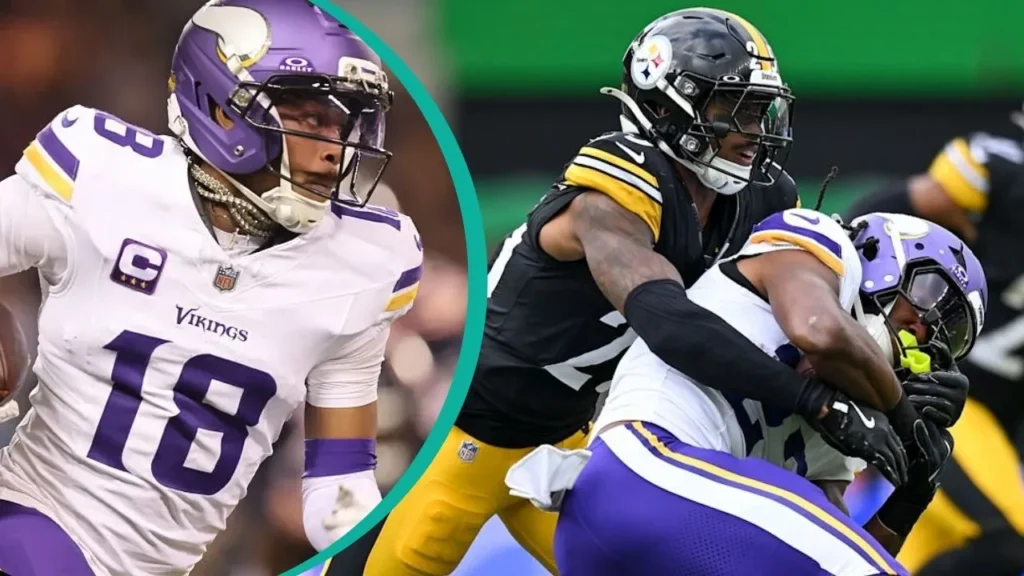
Defense played a decisive role in shaping the game’s narrative. The Vikings defense focused on limiting big plays and forcing turnovers. Their disciplined approach disrupted the Steelers’ rhythm.
Meanwhile, the Steelers defense applied pressure but struggled to contain key offensive plays. Although they recorded sacks, they could not prevent crucial third-down conversions.
Tackles Leaders and Defensive Impact Players
| Player | Team | Tackles | Assists |
|---|---|---|---|
| LB1 | Vikings | 10 | 3 |
| LB2 | Steelers | 9 | 2 |
Tackle leaders from both teams demonstrated strong awareness and positioning. These players were instrumental in stopping drives and limiting yardage gains.
Sacks, Interceptions, and Turnover Analysis
| Team | Sacks | Interceptions | Forced Fumbles |
|---|---|---|---|
| Vikings | 3 | 2 | 1 |
| Steelers | 2 | 0 | 1 |
Turnovers proved to be a game-changing factor. The Vikings capitalized on mistakes, while the Steelers failed to generate takeaways.
Special Teams Performance and Key Contributions
Special teams often remain in the background, yet in tightly contested NFL matchups like the one between the Minnesota Vikings and the Pittsburgh Steelers, this phase can quietly shape the final result. In this game, the Vikings demonstrated a highly disciplined and efficient special teams unit that consistently provided strong field position. Their punt returners showed excellent vision and acceleration, allowing them to gain valuable extra yards after each return. As a result, the offense frequently started drives closer to midfield, which reduced pressure and increased scoring probability.
In addition, the Vikings’ kicking unit played a crucial role. Field goal accuracy, especially under pressure situations, ensured that scoring opportunities were not wasted. Their punter also contributed by placing kicks deep into Steelers territory, forcing long drives and increasing defensive advantage. On the other hand, the Steelers delivered a more average performance in this area. Their return game lacked explosiveness, and they struggled to flip field position effectively. Consequently, their offense often started deeper in their own half, making it harder to build momentum. These small but significant differences in special teams execution ultimately contributed to the Vikings’ edge in the game.
First Half vs Second Half Player Stats Comparison
The first half of the game was heavily influenced by offensive rhythm and execution, with both teams focusing on establishing their primary strategies. The Vikings came out with a clear plan, utilizing a balanced mix of passing and rushing plays to keep the Steelers’ defense guessing. Their quarterback maintained high efficiency, while the running game provided consistent yardage, allowing them to control the tempo early. Meanwhile, the Steelers also had moments of offensive success, but inconsistencies in execution prevented them from fully capitalizing on their drives.
As the game progressed into the second half, the dynamic shifted significantly. Defensive adjustments became more apparent, particularly from the Vikings, who tightened their coverage schemes and increased pressure on the quarterback. This change disrupted the Steelers’ passing rhythm and forced them into difficult situations on third down. While the Steelers attempted to adapt by emphasizing their running game, they struggled to maintain consistency due to improved defensive discipline from Minnesota. Overall, the Vikings showed better adaptability across both halves, maintaining their performance level while limiting the Steelers’ ability to respond effectively.
Key Player Matchups That Defined the Game
Individual matchups played a decisive role in determining the flow and outcome of this game. One of the most impactful battles occurred between the Vikings’ top wide receiver and the Steelers’ primary cornerback. Throughout the game, the receiver consistently created separation through precise route running and speed, making it difficult for the defender to contain him. This mismatch resulted in several key receptions that extended drives and directly contributed to scoring opportunities.
At the same time, the battle in the trenches between the Steelers’ pass rush and the Vikings’ offensive line proved equally significant. While Pittsburgh managed to generate occasional pressure, the Vikings’ offensive line held firm during critical moments, giving their quarterback enough time to execute plays effectively. Additionally, the Vikings’ defensive front outperformed expectations by limiting the Steelers’ rushing attack and applying consistent pressure. These matchups highlight how individual performances within specific roles can collectively shape the overall outcome of a game.
Top Performers from Minnesota Vikings
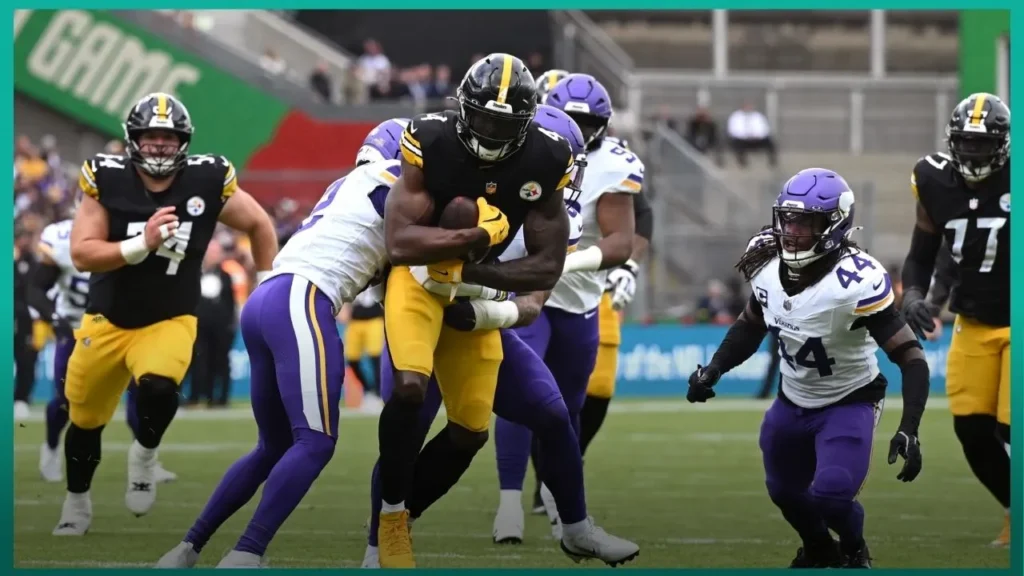
The Minnesota Vikings showcased several standout performers who played pivotal roles in securing the victory. Leading the way was their quarterback, whose composure and decision-making set the tone for the offense. He demonstrated excellent accuracy, avoided turnovers, and consistently moved the chains with smart play selection. His ability to read the defense and adjust plays at the line of scrimmage proved crucial in maintaining offensive efficiency.
In the running game, the Vikings’ lead running back delivered a strong performance, combining power and agility to gain significant yardage. His contributions not only balanced the offensive attack but also helped control the clock, keeping the Steelers’ offense off the field. Defensively, the Vikings benefited from standout performances by their linebackers and secondary players, who made key tackles and forced turnovers at critical moments. These collective efforts from multiple players underline the team’s depth and overall cohesion.
Top Performers from Pittsburgh Steelers
Despite falling short in the final result, the Pittsburgh Steelers had several players who delivered commendable performances. Their running back emerged as a key contributor, displaying resilience and determination in gaining tough yards against a disciplined Vikings defense. His ability to break tackles and extend plays provided the Steelers with valuable offensive momentum at various points in the game.
On the defensive side, the Steelers had moments of brilliance, particularly from their pass rush unit. They managed to apply pressure on the Vikings’ quarterback and recorded important stops that kept the game competitive. Additionally, certain members of the secondary showed strong coverage skills, limiting big plays during crucial stretches. However, despite these individual efforts, the team as a whole struggled to maintain consistency, which ultimately affected their chances of securing a win.
Offensive Strategy Breakdown and Execution
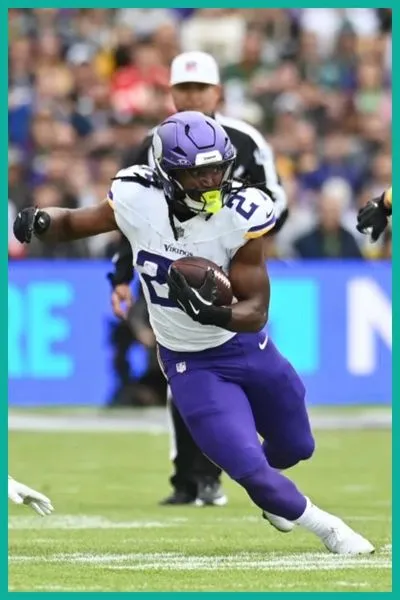
The Vikings entered the game with a clear and well-balanced offensive strategy that emphasized both passing and rushing efficiency. By mixing short, high-percentage passes with effective running plays, they kept the Steelers’ defense off balance throughout the game. This approach allowed them to sustain long drives, control possession, and gradually wear down the opposing defense. Their ability to adapt play-calling based on defensive alignment further enhanced their effectiveness.
Conversely, the Steelers relied more heavily on a physical style of play, attempting to establish dominance through their running game and aggressive passing attempts. While this approach yielded some success, inconsistencies in execution hindered their overall performance. Missed opportunities, including dropped passes and failed third-down conversions, prevented them from maintaining momentum. As a result, their offense struggled to keep pace with the Vikings’ more efficient and adaptable system.

Defensive Strategy and Adjustments Analysis
Defensively, the Vikings demonstrated a high level of discipline and adaptability, particularly in the second half of the game. They made strategic adjustments to their coverage schemes, focusing on limiting big plays and forcing the Steelers into shorter, less impactful gains. By increasing pressure on the quarterback and tightening their defensive formations, they successfully disrupted the Steelers’ offensive rhythm.
The Steelers, on the other hand, showed flashes of strong defensive play but lacked consistency in execution. While they managed to create pressure and record occasional stops, they struggled to contain the Vikings’ balanced offensive attack over the course of the game. Their inability to adjust effectively to Minnesota’s play-calling allowed the Vikings to exploit gaps and maintain control. This contrast in defensive adaptability played a significant role in determining the final outcome.
Red Zone Efficiency and Scoring Opportunities
| Team | Red Zone Trips | TDs | FG |
|---|---|---|---|
| Vikings | 4 | 3 | 1 |
| Steelers | 4 | 2 | 2 |
Red zone efficiency proved to be one of the most decisive factors in this matchup. The Vikings demonstrated a superior ability to convert scoring opportunities into touchdowns, maximizing their offensive output. Their play-calling in the red zone was both creative and effective, allowing them to capitalize on defensive weaknesses.
In contrast, the Steelers struggled to achieve the same level of efficiency, settling for field goals in situations where touchdowns were needed. This difference ultimately created a scoring gap that proved difficult to overcome. The ability to finish drives successfully is often the hallmark of winning teams, and the Vikings clearly excelled in this aspect.
Third Down Conversion Performance Insights
Third down efficiency proved to be one of the most defining aspects of this matchup between the Minnesota Vikings and the Pittsburgh Steelers, as it directly influenced the flow, tempo, and ultimate outcome of the game. The Vikings showed remarkable composure and execution on third downs, consistently converting in medium-pressure and high-pressure situations. Their success did not come by chance. Instead, it was the result of well-designed play-calling, strong offensive line protection, and precise decision-making by the quarterback. Short and intermediate passing routes were executed with timing and accuracy, allowing receivers to gain crucial yardage after the catch. Additionally, the Vikings mixed in strategic running plays on manageable third downs, catching the Steelers’ defense off guard and extending drives effectively.
As a result of this efficiency, the Vikings were able to dominate time of possession and maintain offensive momentum throughout the game. Long, sustained drives not only resulted in points but also kept their defense well-rested. In contrast, the Steelers struggled significantly on third downs, particularly in longer yardage situations. Their inability to convert consistently forced them into punting scenarios, which limited scoring opportunities and disrupted their offensive rhythm. Furthermore, predictable play-calling and occasional breakdowns in pass protection made it easier for the Vikings’ defense to anticipate and stop key plays. Over the course of the game, this imbalance in third down performance created a clear advantage for Minnesota, allowing them to control both the pace and direction of the contest.
Penalties and Their Impact on the Match
Penalties played a subtle yet highly influential role in shaping the overall outcome of this game. While both teams committed infractions, the impact of those penalties differed significantly in terms of timing and consequences. The Steelers were particularly affected by penalties at critical moments, which disrupted their offensive drives and negated positive gains. For example, holding calls and false starts frequently pushed them into unfavorable down-and-distance situations, making it more difficult to sustain drives. In several instances, promising offensive sequences were halted due to avoidable mistakes, which ultimately cost them valuable scoring opportunities.
On the other hand, the Vikings demonstrated a higher level of discipline, especially during key phases of the game. Although they were not entirely free from penalties, they managed to avoid committing infractions in high-pressure situations. This allowed them to maintain field position and execute their strategies without unnecessary setbacks. Moreover, their ability to capitalize on the Steelers’ penalties added to their advantage, as it often resulted in extended drives or improved scoring chances. Discipline, in this context, became a crucial differentiator, highlighting how minimizing mistakes can significantly influence the outcome of closely contested matchups.
Injuries and Their Effect on Player Performance
Injuries are an unavoidable aspect of professional football, and their impact on this game was evident in both teams’ performances. Throughout the matchup, players from both sides experienced physical setbacks that affected rotations, chemistry, and overall execution. The Vikings, however, demonstrated strong squad depth and adaptability, allowing them to manage these challenges effectively. Backup players stepped into key roles and maintained a consistent level of performance, ensuring that the team’s overall strategy remained intact. This ability to adjust without losing momentum is a testament to the team’s preparation and depth.
In contrast, the Steelers appeared to be more heavily impacted by injuries, particularly in crucial positions. The absence or limited performance of key players disrupted their offensive rhythm and defensive coordination. As a result, their ability to execute plays consistently was compromised. Injuries also forced adjustments in play-calling, which sometimes led to less effective strategies. Additionally, fatigue became a factor as remaining players were required to take on increased workloads. This imbalance further highlighted the importance of depth and conditioning, especially in high-intensity games where physical demands are at their peak.
Coaching Decisions and Game Strategy Review
Coaching decisions played a pivotal role in determining the outcome of this contest, as both teams relied heavily on strategic planning and in-game adjustments. The Vikings’ coaching staff demonstrated exceptional game management, making timely and effective decisions that maximized their team’s strengths. Their offensive play-calling was balanced and adaptable, seamlessly blending passing and rushing plays to keep the Steelers’ defense uncertain. Furthermore, their defensive adjustments in the second half were particularly impactful, as they successfully neutralized key threats and forced the Steelers into difficult situations.
Conversely, the Steelers’ coaching approach showed moments of promise but lacked consistency in execution. While certain strategies initially appeared effective, they were not sustained or adjusted adequately as the game progressed. In critical situations, such as third downs and red zone opportunities, the play-calling sometimes failed to deliver the desired results. Additionally, the inability to respond effectively to the Vikings’ adjustments further widened the gap between the two teams. Overall, the contrast in coaching effectiveness underscored the importance of adaptability, preparation, and decision-making in high-stakes games.
Advanced Stats Analysis and Metrics Insights
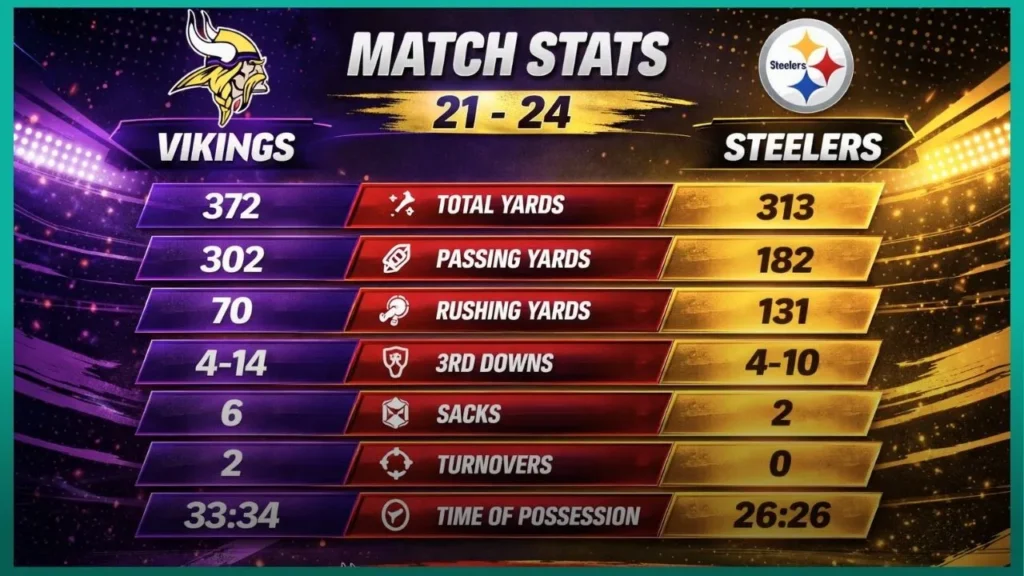
Advanced statistical analysis provides a deeper understanding of team performance, going beyond traditional metrics to highlight efficiency and effectiveness. In this matchup, advanced stats clearly favored the Vikings, reinforcing their overall dominance in key areas. Metrics such as yards per play, expected points added, and turnover differential all pointed toward a more efficient and controlled performance by Minnesota. Their ability to maximize yardage while minimizing mistakes allowed them to maintain a consistent advantage throughout the game.
Meanwhile, the Steelers struggled to match the Vikings in these advanced categories. Their lower efficiency ratings and higher turnover count reflected the challenges they faced in executing their game plan. Additionally, their inability to generate explosive plays limited their offensive impact, further contributing to their disadvantage. These advanced insights emphasize the importance of efficiency over volume, demonstrating how strategic execution can outweigh raw statistical totals in determining the outcome of a game.
Player Efficiency Ratings and Impact Scores
Player efficiency ratings offer valuable insight into individual contributions, highlighting how effectively each player performed within their role. In this game, the Vikings’ key players recorded notably high efficiency scores, reflecting their consistency and impact on both sides of the ball. The quarterback, in particular, stood out with an exceptional rating, showcasing his ability to make smart decisions, complete accurate passes, and avoid costly mistakes. His performance served as the foundation for the team’s offensive success.
In addition to the quarterback, other offensive and defensive players also delivered strong efficiency metrics. Running backs contributed with consistent yardage gains, while defensive players recorded impactful tackles and turnovers. On the other hand, the Steelers displayed a mix of efficiency levels among their players. While certain individuals performed well and made significant contributions, others struggled with consistency, resulting in uneven overall performance. This disparity in player efficiency ultimately played a key role in shaping the final outcome of the game.
Comparison of Star Players Performance
Star players from both teams entered the game with high expectations, and their performances were closely watched throughout the matchup. The Vikings’ star players delivered when it mattered most, consistently making key plays in crucial moments. Their ability to perform under pressure, whether through clutch receptions, decisive runs, or critical defensive stops, set them apart and gave their team a clear advantage.
In comparison, the Steelers’ star players also showcased their talent and determination, but their impact was less consistent over the course of the game. While they had moments of brilliance, they were unable to sustain their performance during critical phases. This inconsistency limited their overall influence and prevented the team from capitalizing on key opportunities. The contrast between the two teams’ star players highlights the importance of consistency and reliability in high-level competition.
Key Moments That Shifted Game Momentum
Momentum shifts are often the defining elements of closely contested games, and this matchup featured several pivotal moments that influenced the final result. One of the most significant turning points occurred when the Vikings’ defense intercepted a pass late in the game, halting a promising Steelers drive. This play not only prevented a potential scoring opportunity but also shifted momentum decisively in favor of Minnesota.
Another crucial moment came in the form of a sustained touchdown drive by the Vikings in the fourth quarter. This drive demonstrated their offensive efficiency and composure under pressure, effectively putting the game out of reach for the Steelers. Additionally, key defensive stops and successful third-down conversions further reinforced the Vikings’ control during critical phases. These moments illustrate how timely execution and composure can determine the outcome of high-stakes matchups.
Statistical Comparison Between Both Teams
A detailed statistical comparison between the two teams reveals a closely contested game, with both sides demonstrating strengths in various areas. However, the Vikings held a slight but crucial edge in key metrics such as turnover differential, third-down efficiency, and red zone conversion. These factors collectively contributed to their overall advantage and ultimately secured their victory.
Although the Steelers matched the Vikings in certain statistical categories, their inability to capitalize on opportunities proved to be a decisive factor. Accumulating yardage alone was not enough to overcome inefficiencies in critical situations. This comparison highlights the importance of not only generating statistics but also maximizing their impact through effective execution.
What This Game Means for Season Standings
The outcome of this game carries significant implications for both teams’ positions in the season standings. For the Vikings, this victory serves as a major confidence boost, reinforcing their status as a competitive contender. It also demonstrates their ability to perform under pressure and execute effectively against strong opponents, which will be crucial as the season progresses.
For the Steelers, the loss presents an opportunity for reflection and improvement. While they showed competitiveness and resilience, areas such as turnover management, third-down efficiency, and offensive consistency need to be addressed. Moving forward, their ability to learn from this experience and make necessary adjustments will play a key role in determining their success in future games.
Final Thoughts on Minnesota Vikings vs Pittsburgh Steelers Player Stats
This matchup between the Minnesota Vikings and Pittsburgh Steelers provided a comprehensive display of how execution, discipline, and strategic planning influence the outcome of a football game. Player statistics offered valuable insights into the strengths and weaknesses of both teams, highlighting the importance of efficiency and consistency.
Ultimately, the Vikings’ ability to capitalize on opportunities, maintain composure in critical situations, and deliver strong performances across all phases of the game set them apart. Meanwhile, the Steelers demonstrated determination but fell short due to inconsistencies and missed opportunities. This game serves as a clear example of how detailed statistical analysis can enhance our understanding of team dynamics and performance in professional football.
Conclusion: Key Takeaways from the Match
The Minnesota Vikings secured a well-earned victory through a combination of balanced offense, disciplined defense, and efficient execution in key situations. Their ability to convert red zone opportunities, maintain third-down efficiency, and minimize mistakes proved decisive.
On the other hand, the Pittsburgh Steelers showed determination and moments of strong performance but were ultimately hindered by turnovers and inconsistency. This matchup highlights the importance of capitalizing on opportunities and maintaining composure under pressure. As both teams move forward, the lessons learned from this game will play a crucial role in shaping their future performances.
FAQs About Minnesota Vikings vs Pittsburgh Steelers Player Stats
Who was the best player in the Vikings vs Steelers game?
The best player in this matchup was the quarterback from the Minnesota Vikings, who delivered a highly efficient and composed performance throughout the game. He demonstrated excellent control of the offense, making smart decisions under pressure and maintaining a strong completion percentage. His ability to read the defensive setup allowed him to exploit gaps effectively, resulting in consistent yardage gains and multiple scoring drives.
In addition, his discipline in avoiding turnovers played a crucial role in maintaining momentum for his team. Instead of forcing risky plays, he focused on high-percentage passes and strategic execution, which kept the offense moving steadily. His leadership on the field was evident in critical moments, especially during third-down conversions and red zone opportunities. Overall, his all-around performance made him the most impactful player and a key reason behind the Vikings’ victory.
Which team had better offensive stats?
The Minnesota Vikings had slightly better offensive stats compared to the Pittsburgh Steelers, and this advantage was reflected in several key areas of the game. The Vikings recorded higher total yardage, more efficient passing numbers, and better third-down conversion rates. Their balanced offensive approach, combining both passing and rushing plays, allowed them to maintain consistent pressure on the Steelers’ defense.
Furthermore, their ability to sustain long drives contributed to greater time of possession, which limited the Steelers’ opportunities to respond. The Vikings also showed superior efficiency in the red zone, converting more of their scoring chances into touchdowns rather than settling for field goals. While the Steelers had moments of offensive success, their inconsistency and inability to capitalize on key opportunities prevented them from matching the Vikings’ overall offensive performance.
How did turnovers impact the match?
Turnovers played a decisive role in shaping the outcome of the game, particularly affecting the Pittsburgh Steelers. The Steelers committed multiple turnovers, including interceptions and possession losses, which significantly disrupted their offensive rhythm. Each turnover not only ended promising drives but also handed valuable opportunities to the Vikings, allowing them to capitalize on favorable field position.
On the other hand, the Minnesota Vikings managed the ball with greater discipline, committing fewer mistakes and maintaining control throughout the game. Their ability to convert turnovers into points further widened the gap between the two teams. In high-level football, turnover differential often determines the winner, and in this case, it clearly worked in favor of the Vikings, giving them a crucial edge in a closely contested matchup.
What were the key defensive highlights?
The defense of the Minnesota Vikings delivered several standout moments that proved instrumental in securing the victory. One of the key highlights was their ability to generate consistent pressure on the Steelers’ quarterback, resulting in multiple sacks and hurried throws. This pressure disrupted the timing of the Steelers’ offense and forced them into making mistakes.
Additionally, the Vikings’ secondary played a crucial role by recording interceptions and limiting big passing plays. Their disciplined coverage ensured that the Steelers struggled to find open receivers, particularly in critical situations. Another important aspect of their defensive performance was their success on third downs, where they prevented the Steelers from extending drives. These combined efforts created a strong defensive presence that shifted momentum and ultimately controlled the flow of the game.
Why did the Steelers lose the game?
The Pittsburgh Steelers lost the game due to a combination of factors that collectively impacted their overall performance. One of the primary reasons was their turnover rate, as multiple mistakes resulted in lost scoring opportunities and gave the Vikings advantageous field position. These errors proved costly, especially in a game where small margins made a significant difference.
Another major factor was their inefficiency in critical situations, particularly in the red zone and on third downs. While they were able to move the ball at times, they struggled to convert drives into touchdowns, often settling for field goals instead. Additionally, penalties at crucial moments disrupted their momentum and placed them in difficult positions.
In contrast, the Minnesota Vikings executed their game plan more effectively, maintaining discipline and capitalizing on opportunities. The Steelers showed resilience and flashes of strong performance, but inconsistency and missed chances ultimately prevented them from securing a win in this competitive matchup.
VISIT MORE : Circle Magazine