






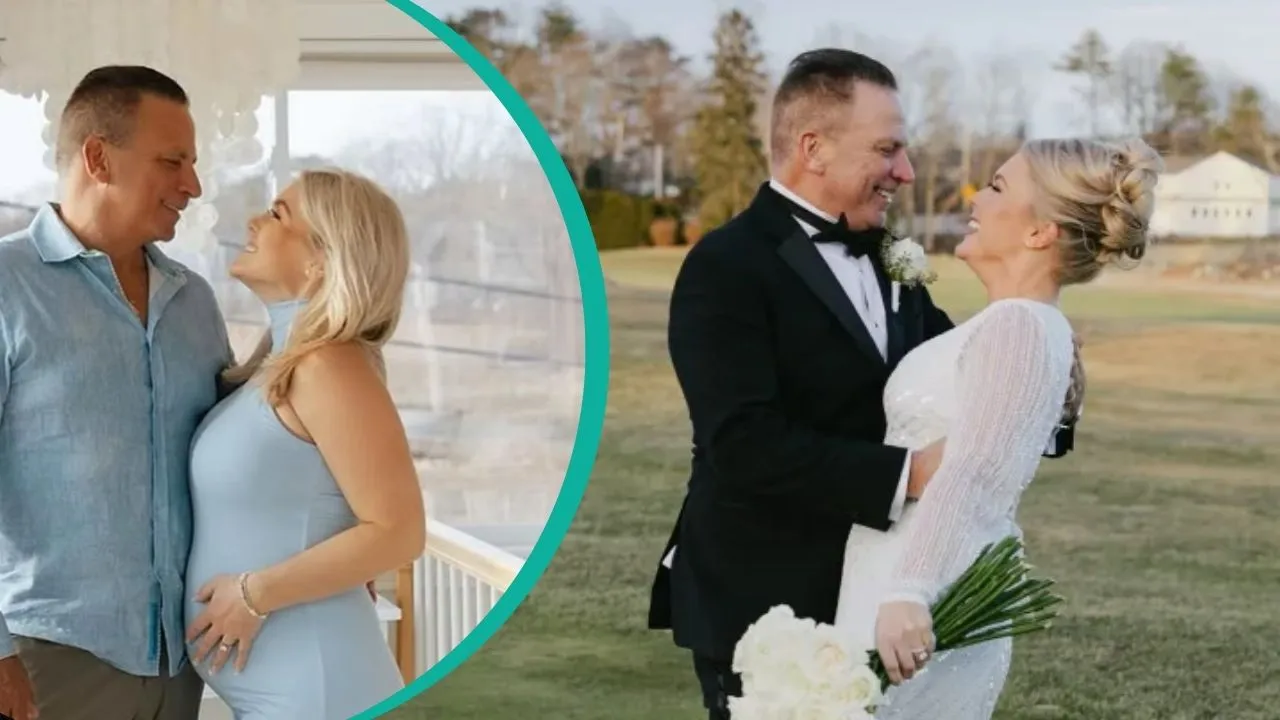
Public curiosity has always followed individuals connected to political figures, public personalities, and media-visible relationships. Yet curiosity often collides with a fundamental reality: not every aspect of a person’s life belongs to the public domain. Nicholas Riccio, widely recognized due to his marriage to Karoline Leavitt, represents a compelling example of this tension between interest and privacy. Questions surrounding Nicholas Riccio’s personal history, particularly regarding his first marriage, frequently surface online. However, reliable, verified information remains limited.
This article approaches the topic with clarity, responsibility, and respect. Instead of indulging in speculation or repeating unverified claims, the goal here is to explore what can reasonably be discussed: the nature of public curiosity, the dynamics of private lives under public attention, and the broader context surrounding relationship narratives. When dealing with private individuals, accuracy and ethical restraint matter far more than sensationalism.
The phrase “Nicholas Riccio first marriage timeline” reflects a search pattern driven by human curiosity rather than confirmed public documentation. Therefore, understanding this topic requires examining not only the available facts but also the boundaries of responsible reporting. In doing so, we gain insight into how modern audiences interpret relationships, why personal histories attract attention, and how privacy operates in an era defined by digital visibility.
Details Summary Table
| Attribute | Details |
|---|---|
| Full Name | Nicholas Riccio |
| Known For | Marriage to Karoline Leavitt |
| Public Profile | Limited |
| Profession | Business / Real Estate (as widely reported) |
| Marital Status | Married |
| Spouse | Karoline Leavitt |
| Prior Marriage Records | Not publicly detailed |
| Media Visibility | Minimal |
| Privacy Level | High |
Understanding Public Curiosity About Personal Histories
Interest in personal histories is hardly new. For decades, audiences have sought background information about spouses, partners, and family members of public figures. What has changed, however, is the scale and speed of curiosity. Digital search engines, social media platforms, and online news cycles have amplified interest in ways that previous generations could scarcely imagine.
When a political personality gains visibility, attention often extends beyond policy positions or professional accomplishments. People naturally become curious about the human dimension: relationships, family structures, and personal experiences. Nicholas Riccio’s name entered broader public conversation largely through his connection with Karoline Leavitt. Consequently, curiosity about his earlier life, including possible prior marriages, emerged almost automatically.
Importantly, curiosity does not always equate to entitlement. While audiences may feel interested, ethical boundaries remain essential. Many individuals associated with public figures maintain careers, identities, and personal narratives independent of media engagement. Riccio appears to fall within this category, having cultivated a relatively private public presence.
Understanding curiosity requires recognizing its psychological roots. Humans seek narrative continuity. When encountering a public relationship, people often ask: What came before? How did this person arrive here? These questions reflect storytelling instincts rather than investigative necessity. Nevertheless, responsible discussion must distinguish between legitimate inquiry and intrusive speculation.
Nicholas Riccio’s Public Image and Limited Visibility


Nicholas Riccio’s public image differs significantly from the media-intensive profiles typically associated with high-visibility personalities. Unlike celebrities or career politicians, Riccio’s exposure remains largely indirect. Most publicly available references describe him through professional achievements or relational context rather than personal disclosure.
This limited visibility influences how information circulates. When a person does not actively share details, gaps naturally appear. In digital environments, gaps often attract speculation. Yet absence of information should not be interpreted as hidden controversy. Frequently, it simply reflects privacy preferences.
Riccio’s professional reputation, commonly associated with business and real estate ventures, suggests a life trajectory shaped outside entertainment or political media ecosystems. Individuals in such fields often operate without cultivating public personas. Their work, while potentially significant, rarely demands personal visibility.
Consequently, discussions about Riccio’s earlier relationships, including any first marriage, must be approached cautiously. Reliable records, confirmed interviews, or documented timelines are not widely available. Ethical reporting therefore prioritizes transparency about uncertainty rather than constructing narratives unsupported by evidence.
The Concept of a “First Marriage Timeline”
The phrase “first marriage timeline” implies structured documentation: dates, events, milestones, and transitions. However, for private individuals, such timelines are seldom publicly mapped. Marriage records may exist legally, yet they are not automatically disseminated for public consumption.
In many cases, prior marriages remain personal matters unless individuals choose disclosure. The absence of detailed public data regarding Nicholas Riccio’s earlier marital history highlights this distinction. Without verified documentation, constructing a precise timeline would risk crossing into speculation.
Rather than presenting hypothetical sequences, a responsible approach examines why audiences seek timelines in the first place. Timelines provide clarity. They organize complex personal histories into digestible narratives. Yet clarity must never come at the expense of accuracy.
Acknowledging informational limits does not weaken analysis. Instead, it strengthens credibility. Transparency about what is unknown reinforces trust and aligns with ethical standards governing discussions of private lives.

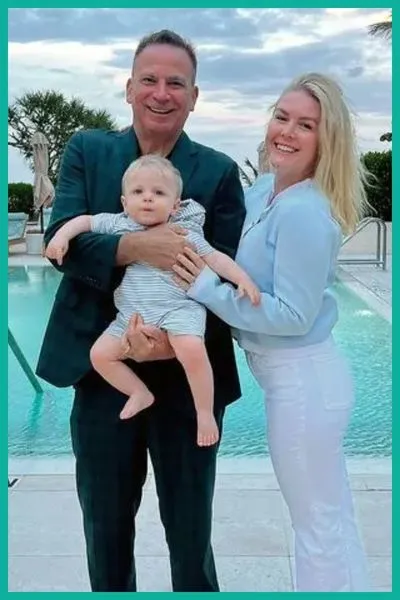
Relationship Narratives in Modern Media Culture
Modern media culture frequently frames relationships as stories. Audiences encounter narratives of beginnings, challenges, transformations, and outcomes. This storytelling structure influences how people interpret real-world relationships, even when details remain sparse.
Nicholas Riccio’s relationship with Karoline Leavitt became a point of public interest partly because political figures often attract lifestyle-related curiosity. However, narrative framing can inadvertently reduce individuals to supporting roles within broader public stories.
Relationship narratives also encourage retrospective curiosity. When audiences observe a present marriage, they naturally wonder about prior experiences. Were there earlier relationships? How did personal journeys unfold? These questions reflect universal human patterns rather than exceptional intrigue.
Yet narratives constructed without verified data risk distortion. Responsible analysis emphasizes context rather than conjecture, recognizing that personal histories often contain complexities not suitable for public simplification.
Privacy as a Deliberate Personal Choice
Privacy represents an increasingly significant theme in discussions of individuals connected to public figures. In an era where visibility often appears synonymous with relevance, choosing discretion requires intention.
Nicholas Riccio’s limited public exposure suggests a preference for maintaining boundaries between personal and public spheres. Such choices are neither unusual nor suspicious. Many individuals value professional identity, personal relationships, and daily life experiences independent of media visibility.
Privacy also protects relational stability. Excessive scrutiny can introduce pressures, misinterpretations, and external commentary that complicate personal dynamics. Maintaining discretion often reflects practical wisdom rather than avoidance.
Importantly, privacy does not negate public interest but defines its limits. Ethical engagement respects those limits, distinguishing between available facts and areas appropriately left undisclosed.
Misconceptions and the Risks of Speculation
When reliable information is limited, misconceptions can proliferate rapidly. Online discussions sometimes merge assumptions, rumors, and partial interpretations into seemingly coherent narratives.
Speculation about Nicholas Riccio’s first marriage illustrates this phenomenon. Without confirmed records or direct statements, various interpretations may circulate. However, repetition does not equal verification.
Speculative narratives carry risks. They may inadvertently misrepresent individuals, distort reputations, or propagate inaccuracies. Responsible writing therefore prioritizes caution, clarity, and factual integrity.
Distinguishing between curiosity and certainty remains essential. Ethical reporting acknowledges interest while resisting the temptation to fill informational gaps with conjecture.
Relationship Insights Without Intrusion
Although specific details about Riccio’s earlier marital history are not publicly detailed, broader relationship insights can still be explored responsibly. These insights focus on universal relational themes rather than personal specifics.
Relationships often involve growth, adaptation, and evolving priorities. Prior experiences, whether romantic or professional, frequently shape later perspectives. However, acknowledging this general principle does not require detailing private histories.
Riccio’s public image, characterized by discretion and stability, aligns with patterns observed among individuals who prioritize long-term commitments over public narrative construction. Such observations remain analytical rather than intrusive.
Media Ethics and Responsible Curiosity
Media ethics play a critical role when discussing private individuals. Responsible curiosity respects boundaries, avoids sensationalism, and emphasizes verified information.
Ethical frameworks encourage transparency about uncertainty. Rather than presenting assumptions as facts, credible discussions clarify informational limits. This approach protects both accuracy and dignity.
In Riccio’s case, ethical reporting acknowledges public interest while emphasizing the absence of detailed public records regarding a first marriage timeline.
Cultural Fascination With Relationship Histories

Cultural fascination with relationship histories reflects broader social dynamics. Audiences often seek relatability, emotional resonance, and narrative completeness.
Relationship histories provide context. They humanize public figures and their partners. Yet fascination must coexist with respect for privacy.
Nicholas Riccio’s narrative illustrates how individuals can remain largely private despite association with visible public personalities.
Individual Identity Beyond Relationship Labels
Defining individuals solely through relational context risks oversimplification. Riccio’s professional background, personal values, and life experiences extend beyond public curiosity.
Recognizing individuality reinforces balanced understanding. Relationships represent important dimensions of identity but not its entirety.
The Stability of Privacy-Focused Public Images
Privacy-focused public images often project stability, intentionality, and grounded priorities. Riccio’s limited visibility aligns with this pattern.
Such images challenge assumptions equating visibility with significance, highlighting alternative models of personal fulfillment.
Conclusion
Discussions surrounding “Nicholas Riccio first marriage timeline” reveal more about modern curiosity than documented personal history. Reliable public information regarding Riccio’s earlier marital details remains limited, underscoring the legitimacy of privacy. Rather than constructing speculative timelines, responsible analysis emphasizes context, ethics, and respect. Nicholas Riccio’s narrative illustrates how individuals can maintain dignity and autonomy despite public curiosity, reminding audiences that absence of detail often reflects personal choice rather than hidden narrative.
FAQs
Was Nicholas Riccio married before?
Publicly verified sources do not provide detailed documentation regarding Nicholas Riccio’s prior marital history. The limited availability of information reflects privacy rather than confirmed absence or presence of earlier marriages.
Why is there curiosity about Nicholas Riccio’s first marriage?
Curiosity typically arises when individuals become associated with visible public figures. Audiences naturally seek background context, although reliable information may remain limited.
Is there a confirmed first marriage timeline for Nicholas Riccio?
No widely documented, verified timeline exists in public sources. Responsible discussions acknowledge informational limits rather than presenting speculation.
What can be learned from this topic?
The topic highlights the importance of media ethics, privacy respect, and distinguishing between curiosity and verified fact.
Why do private individuals maintain limited visibility?
Many individuals prioritize personal boundaries, professional identity, and relational stability over public exposure, particularly when media attention is indirect.
VISIT MORE : Circle Magazine