






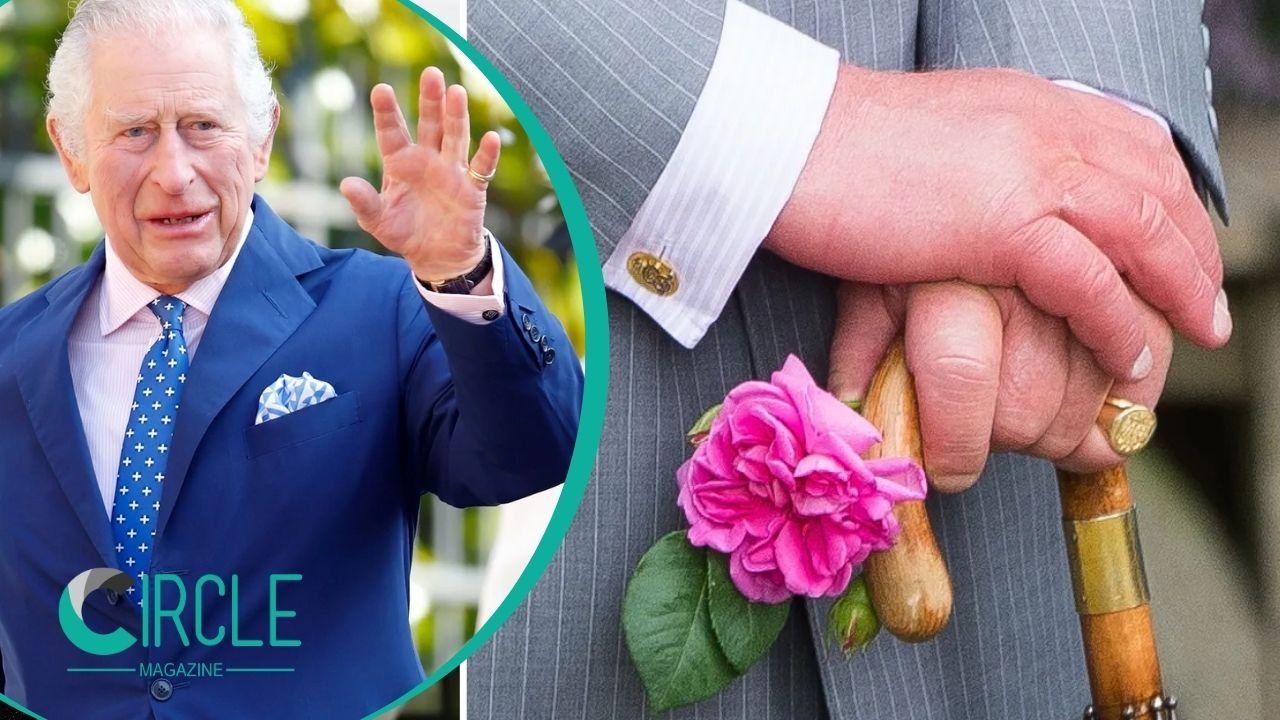
Prince Charles, now known as King Charles III, has been one of the most closely observed public figures in the world for decades. From his role within the British royal family to his public appearances, speeches, and engagements, nearly every aspect of his life has been examined by the media and the public alike. Among the many topics that have drawn attention over the years, Prince Charles hands and fingers have become a recurring subject of curiosity. Photographs showing his hands during public events have sparked discussion, speculation, and sometimes misinformation, leading many people to search for clear, factual explanations. Understanding why attention has focused on this topic requires a careful, respectful look at public observations, medical context, aging, and the realities of living a highly visible life.
Details Summary Table
| Category | Information |
|---|---|
| Full Name | Charles Philip Arthur George |
| Title | King Charles III |
| Born | November 14, 1948 |
| Public Role | British Monarch |
| Known For | Environmental advocacy, royal duties |
| Topic of Interest | Hands and fingers appearance |
| Public Visibility | High, decades-long media exposure |
| Common Observations | Swelling, finger shape |
| Public Discussion | Media and online curiosity |
| Approach Required | Respectful and factual |
Why Prince Charles Hands and Fingers Attract Public Attention
Public curiosity about Prince Charles hands and fingers did not emerge suddenly but developed gradually over years of continuous media exposure. As a senior royal figure who has spent much of his life attending public engagements, shaking hands, and appearing in photographs, even small physical details have become noticeable. High-resolution photography and constant coverage mean that features once overlooked can now become widely discussed within hours of an appearance.
Another contributing factor is the symbolic nature of royal imagery. Hands often represent authority, duty, and connection with the public, especially during ceremonial events. When observers notice changes or unusual features, it naturally leads to questions. In the case of Prince Charles, repeated visual patterns in photographs led people to comment on the appearance of his fingers, fueling widespread curiosity rather than any official announcement or confirmed concern.
The Role of Media in Shaping the Narrative
Media coverage plays a significant role in amplifying attention toward Prince Charles hands and fingers. Headlines often focus on visual elements that are easy to capture and discuss, sometimes without sufficient context. When a single image is shared widely, it can lead to speculation that extends far beyond what is visible or confirmed.
Social media has further intensified this effect. Platforms encourage rapid sharing and commentary, allowing discussions to spread quickly, sometimes without accurate information. As a result, public perception may be shaped more by repetition than by verified facts. Understanding this dynamic is essential to separating observation from assumption when discussing Prince Charles hands and fingers.
Physical Changes and the Natural Aging Process

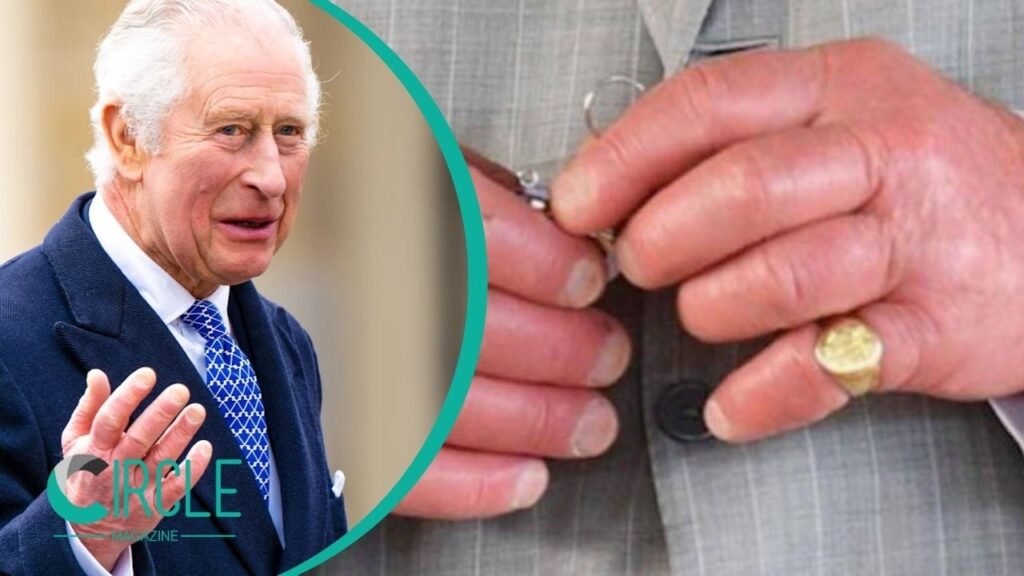
One important factor often overlooked in discussions about Prince Charles hands and fingers is the natural process of aging. As individuals grow older, changes in circulation, skin elasticity, and joint structure are common. Swelling in the hands or fingers can occur due to a variety of benign reasons, including temperature changes, fluid retention, or reduced circulation.
Prince Charles has been in the public eye since his youth, which means there is a long visual record of how his appearance has changed over time. Comparing images across decades can make normal age-related changes appear more dramatic than they truly are. Recognizing aging as a natural process helps place observations about his hands and fingers into a realistic and respectful context.
Medical Context Behind Hand and Finger Appearance
From a general medical perspective, swelling or changes in finger shape can result from numerous non-serious factors. These may include arthritis, fluid retention, circulation variations, or lifestyle-related influences. It is important to emphasize that without official medical statements, any specific diagnosis would be speculative and inappropriate.
Public discussions about Prince Charles hands and fingers often reference general medical possibilities rather than confirmed information. Responsible analysis requires acknowledging that many conditions affecting the hands are common among people of similar age and do not necessarily indicate serious health concerns. Medical privacy remains a fundamental right, even for public figures.
Prince Charles Fingers and Historical Mentions
Interestingly, Prince Charles himself has made light-hearted remarks about his fingers in the past, referring to them humorously during private correspondence that later became public. These comments were made in a casual, self-aware manner, suggesting that he was conscious of the attention but did not view it as alarming.
These historical references provide valuable insight into how the topic has existed quietly for many years rather than emerging suddenly. They also demonstrate that the discussion surrounding Prince Charles fingers is not new but has evolved alongside his long public life.
Public Appearances and Visual Perception
Lighting, camera angles, and momentary physical conditions can significantly affect how hands appear in photographs. During public events, factors such as standing for long periods, travel fatigue, or temperature changes can temporarily influence hand appearance. A single image may capture a moment that does not represent a permanent condition.
Prince Charles hands and fingers have often been discussed based on still photographs rather than continuous observation. This highlights the importance of visual context and the limitations of drawing conclusions from isolated images.

Symbolism of Hands in Royal Tradition
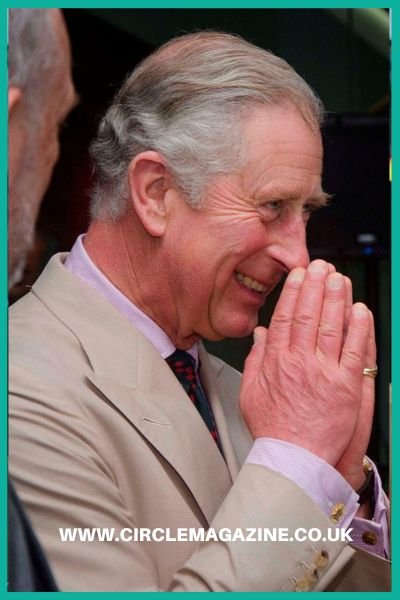
Hands hold symbolic significance in royal tradition, representing service, leadership, and connection with the public. Royal handshakes, ceremonial gestures, and formal appearances place hands at the center of visual attention. This symbolic weight may contribute to why Prince Charles hands and fingers have been scrutinized more closely than those of less visible individuals.
The combination of symbolism and visibility creates an environment where even minor physical traits can become subjects of public conversation. Understanding this cultural backdrop adds depth to discussions about why attention persists.
Online Speculation and Public Responsibility
Online discussions about Prince Charles hands and fingers often range from curiosity to exaggerated speculation. While curiosity is natural, responsible conversation requires restraint and respect. Speculative claims without evidence can contribute to misinformation and unnecessary concern.
Public responsibility includes recognizing the difference between observation and diagnosis. Respecting personal boundaries, even for highly visible figures, promotes healthier public discourse and prevents the spread of unfounded narratives.
Comparisons With Other Public Figures
Prince Charles is not the first public figure whose physical features have drawn attention. Many leaders, actors, and public personalities have experienced similar scrutiny. In most cases, these discussions fade once context and factual understanding are established.
Comparing Prince Charles hands and fingers to similar situations helps normalize the phenomenon. Public fascination with physical traits often reflects broader societal tendencies rather than specific individual concerns.
Health Transparency and Royal Protocol
The British royal family follows long-standing protocols regarding health transparency. Official statements are typically reserved for significant matters, while minor or non-impactful details remain private. This approach aims to balance public interest with personal dignity.
The absence of official concern regarding Prince Charles hands and fingers suggests that there is no confirmed issue requiring public disclosure. Understanding royal protocol helps contextualize why speculation persists without official clarification.
The Psychological Aspect of Public Curiosity
Public curiosity about physical traits often reflects deeper psychological patterns. People seek familiarity and understanding in figures who represent continuity and stability. Observing details such as hands or facial expressions can create a sense of closeness or connection.
In the case of Prince Charles hands and fingers, repeated exposure has made these details familiar, encouraging discussion even when no concrete issue exists. Recognizing this psychological dimension adds nuance to the conversation.
Respectful Discussion of Physical Appearance
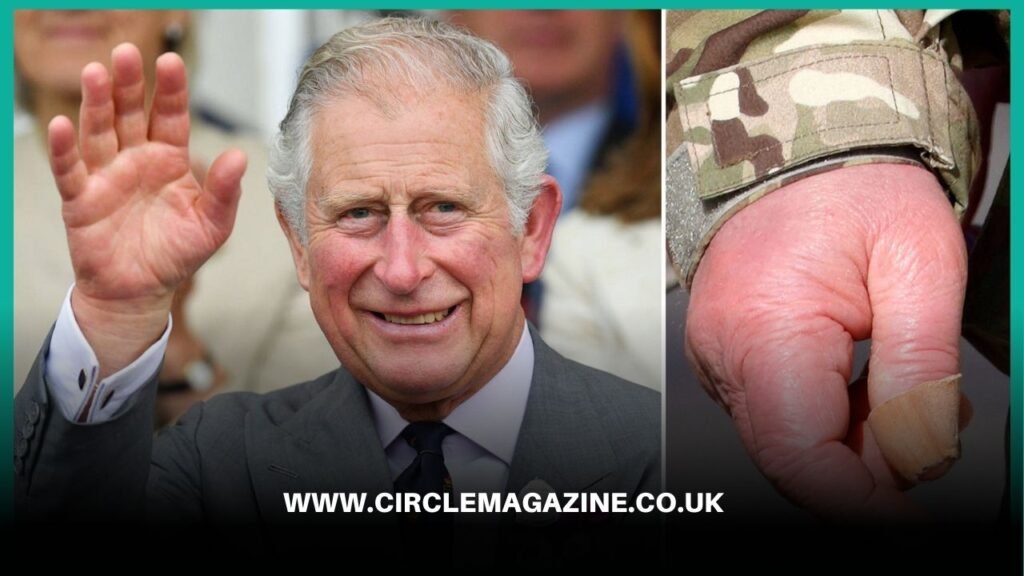
Respect remains central when discussing any individual’s physical appearance. Framing the topic of Prince Charles hands and fingers with sensitivity ensures that conversations remain informative rather than intrusive. This approach aligns with ethical journalism and responsible public discourse.
Respectful discussion acknowledges public curiosity while setting boundaries that protect dignity. It allows for factual exploration without crossing into speculation or judgment.
Aging Leaders and Public Perception
As leaders age, public perception often shifts, with increased attention paid to physical signs of aging. This phenomenon is not unique to Prince Charles but applies broadly to leaders around the world. Hands, posture, and facial features become symbols of continuity and change.
Understanding this broader pattern helps contextualize why Prince Charles hands and fingers have become a focal point. It reflects societal attitudes toward aging rather than individual circumstances.
Clarifying Common Misconceptions
Many misconceptions surrounding Prince Charles hands and fingers stem from incomplete information or exaggerated claims. Clarifying that no official medical issues have been disclosed helps ground the conversation in reality.
Separating fact from assumption allows readers to approach the topic with clarity. It reinforces the importance of relying on credible information rather than speculation.
Conclusion
The discussion surrounding Prince Charles hands and fingers highlights the complex relationship between public figures, media visibility, and human curiosity. While repeated observations have sparked widespread interest, understanding the role of aging, visual perception, and media amplification provides valuable context. Without official medical information, responsible discussion requires respect, restraint, and factual awareness. Ultimately, Prince Charles hands and fingers serve as a reminder of how even minor physical details can become magnified in public life, emphasizing the importance of thoughtful and respectful engagement with such topics.
FAQs
Why do people talk about Prince Charles hands and fingers so often?
People frequently discuss Prince Charles hands and fingers because of his long-standing public visibility and the abundance of photographs taken during public engagements. Repeated exposure has made these details more noticeable, leading to curiosity rather than confirmed concern.
Has Prince Charles ever addressed his fingers publicly?
Prince Charles has made light-hearted remarks about his fingers in the past, showing self-awareness rather than concern. These comments were casual and did not indicate any serious health issues.
Is there any official medical explanation for the appearance of his hands?
There has been no official medical statement regarding Prince Charles hands and fingers. Any explanations discussed publicly are general observations rather than confirmed diagnoses.
Can aging affect the appearance of hands and fingers?
Yes, aging commonly affects circulation, skin elasticity, and joint structure, which can influence how hands and fingers appear. These changes are natural and vary among individuals.
Should public figures be expected to explain physical changes?
Public figures are entitled to medical privacy like anyone else. While curiosity is natural, there is no obligation for them to explain normal physical changes unless they affect public duties.
VISIT MORE : Circle Magazine