




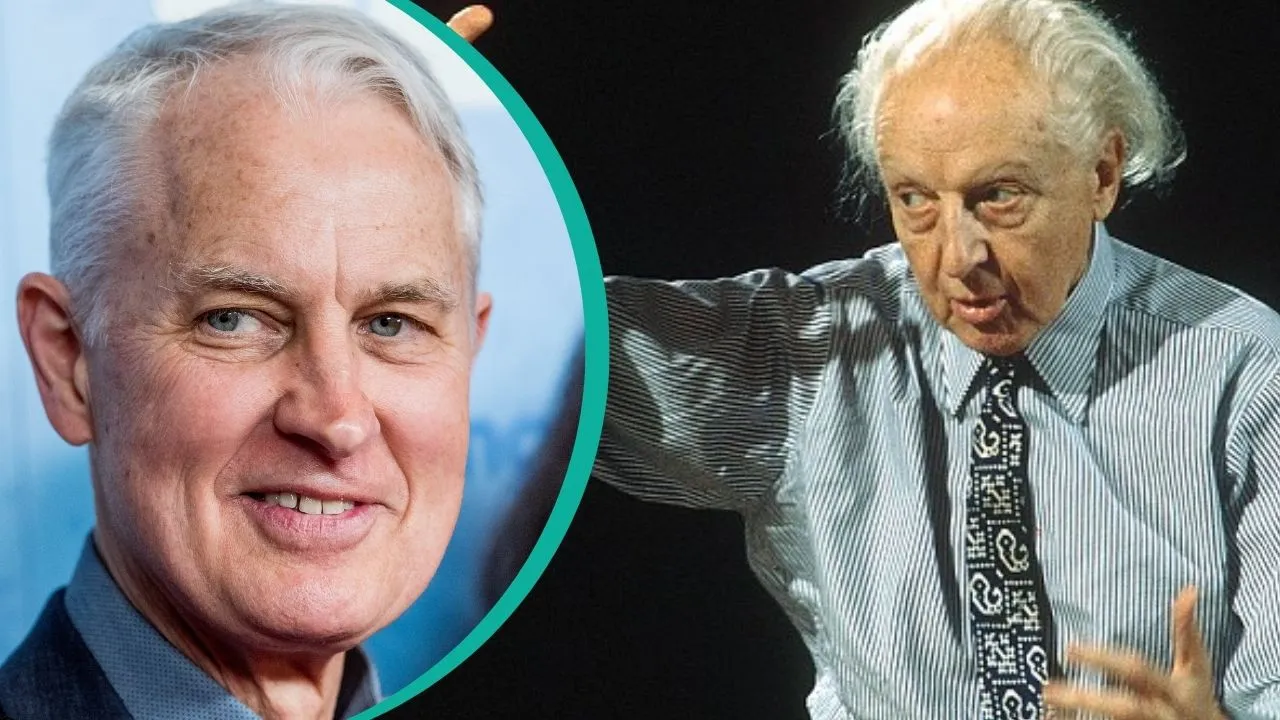
Leopold Stanislaus Stokowski remains one of the most influential figures in the history of classical music. Known for his innovative orchestral techniques, groundbreaking interpretations, and efforts to popularize symphonic music for broader audiences, Stokowski’s contributions extend far beyond the concert hall. His career spanned decades, during which he conducted some of the world’s finest orchestras and collaborated with renowned composers, leaving a lasting imprint on both American and international music. Beyond his technical mastery, Stokowski was a visionary who reimagined the role of the conductor, bringing new energy, expression, and accessibility to classical music.
His name is synonymous with orchestral innovation, film collaborations, and recording advancements that shaped the listening experience for generations. Stokowski’s influence bridged the gap between high art and popular culture, allowing symphonic music to reach audiences previously untouched by its grandeur. His work in film, particularly in Disney’s Fantasia, showcased a bold approach to integrating classical music with visual media, demonstrating his relentless pursuit of artistic innovation. The life and career of Leopold Stokowski therefore embody a unique intersection of tradition, experimentation, and cultural influence, illustrating how a single conductor can reshape both the practice and perception of orchestral music.
Details Summary Table
| Attribute | Details |
|---|---|
| Full Name | Leopold Stanislaus Stokowski |
| Birthdate | April 18, 1882 |
| Birthplace | London, England, UK |
| Death | September 13, 1977 |
| Nationality | British-American |
| Profession | Conductor |
| Notable Work | Philadelphia Orchestra, Disney’s Fantasia, Multiple Recordings |
| Musical Style | Innovative orchestration, flexible interpretations |
| Legacy | Revolutionized orchestral sound, popularized classical music |
Who Was Leopold Stanislaus Stokowski?
Leopold Stokowski was a conductor whose name became emblematic of orchestral excellence. From a young age, he displayed extraordinary musical talent and an unrelenting drive to innovate within traditional frameworks. Known for his long tenure with the Philadelphia Orchestra and his pioneering work in recording technology, Stokowski transformed the sound of American orchestras while also influencing global perceptions of classical music. His persona combined charisma, meticulous attention to detail, and an audacious vision that often challenged conventional orchestral norms.
Stokowski’s approach to conducting was both dramatic and precise. He emphasized clarity of sound, meticulous attention to balance, and interpretive freedom, allowing orchestras to explore tonal richness and dynamic variation previously unexplored. Audiences and musicians alike recognized him as both a visionary and a demanding leader. Beyond his musical achievements, Stokowski also embodied a cultural bridge, introducing European repertoire to American audiences while fostering a distinctly American orchestral identity.
Early Life and Family Background

Born in London to Polish parents, Leopold Stanislaus Stokowski’s early environment was rich with cultural and artistic influence. His father, a skilled musician, encouraged Leopold’s fascination with music from an early age. This familial support laid the groundwork for his lifelong commitment to music and the arts. Growing up in a household where music was both a profession and a passion gave Stokowski the exposure necessary to develop technical proficiency and a deep understanding of musical expression.
His formative years were characterized by rigorous study, discipline, and exposure to diverse musical traditions. He was particularly influenced by the European classical canon, yet he remained open to experimentation. Stokowski’s upbringing cultivated not only technical skill but also an intuitive understanding of orchestral color and emotional expression. The values instilled during his early life—dedication, curiosity, and precision—would inform his later innovations and set him apart from contemporaries in the conducting world.
Musical Education and Training
Stokowski’s formal musical education was thorough and comprehensive. He studied piano, violin, and composition, building a foundation that allowed him to understand orchestration from both the performer’s and the composer’s perspectives. His training emphasized both technical rigor and expressive nuance, equipping him with the tools to lead orchestras with authority and sensitivity.
During his studies, Stokowski absorbed influences from European masters while also seeking to understand how orchestras could evolve within modern contexts. He developed an early fascination with the capabilities of orchestral tone, experimenting with combinations of instruments to achieve novel sounds. This intellectual curiosity and dedication to study positioned him to challenge established conducting conventions later in his career.
Early Career and First Conducting Roles
Stokowski’s early career involved smaller orchestras and assistant conducting positions that allowed him to refine his skills. These initial roles were instrumental in shaping his understanding of orchestral dynamics and rehearsal management. He demonstrated exceptional talent in interpreting scores with clarity and sensitivity, earning recognition that soon led to more prominent positions.
During this phase, he also began to experiment with flexible seating arrangements and innovative orchestration techniques. These early experiments laid the groundwork for the distinctive sound he would cultivate in the Philadelphia Orchestra. Stokowski’s willingness to take creative risks, even in early roles, distinguished him from his peers and signaled a career trajectory marked by bold artistic decisions.
Rise to Prominence in the Orchestral World
Stokowski’s rise to prominence was closely tied to his appointment as conductor of the Philadelphia Orchestra in 1912. This position provided him with a platform to implement his innovative vision and elevate the orchestra to international acclaim. He introduced unprecedented rehearsal techniques, refined orchestral tone, and developed a distinctive sound known for its lush strings and rich tonal balance.
Audiences were captivated not only by the performances but also by the theatricality of Stokowski’s conducting style. His dramatic gestures, expressive interpretation, and attention to detail created a sense of intimacy and engagement with orchestral music. Over time, he established the Philadelphia Orchestra as one of the finest ensembles in the world, setting benchmarks in repertoire, performance quality, and orchestral cohesion.
Major Appointments and Conducting Positions
Throughout his career, Stokowski held numerous prestigious appointments. Beyond Philadelphia, he conducted the New York Philharmonic, Houston Symphony, and multiple European orchestras. Each position allowed him to expand his repertoire, influence new audiences, and mentor younger musicians.
His career also included guest conducting and collaborations with international orchestras, solidifying his reputation as a global musical authority. Each appointment reflected a combination of technical mastery, interpretive skill, and an ability to inspire both musicians and audiences. These experiences contributed significantly to the evolution of orchestral practice in the twentieth century, cementing Stokowski’s place as a transformative figure.
Innovations in Orchestration and Musical Interpretation
Stokowski was a pioneering force in orchestral innovation. He frequently modified seating arrangements to optimize sound balance, experimented with instrument combinations, and embraced new approaches to phrasing and dynamics. His interpretations often emphasized clarity, emotional depth, and tonal richness, setting him apart from traditional conducting approaches.
He was also an early adopter of recording technology, understanding its potential to capture orchestral nuance for posterity. Stokowski’s contributions to recording, combined with his interpretive flexibility, helped modernize orchestral performance and broadened the accessibility of classical music. Audiences encountered richer textures, innovative soundscapes, and emotionally compelling performances that continue to influence conductors today.
Collaborations with Renowned Composers and Musicians
Throughout his career, Stokowski collaborated with a multitude of composers and soloists, enhancing both his artistic development and the orchestras he led. These collaborations included works by Debussy, Rachmaninoff, Stravinsky, and other luminaries. He often worked closely with composers to realize their visions while bringing his own interpretive insights, resulting in performances that combined fidelity to the score with inventive orchestral expression.
These partnerships reinforced Stokowski’s reputation as both a technical authority and a creative collaborator. Musicians recognized his capacity to elevate performances through nuanced phrasing, dynamic precision, and tonal innovation. Collaborations with artists of this caliber further amplified his influence on the orchestral canon and cemented his legacy as a conductor who bridged tradition with modernity.

Contributions to Film and Popular Music
One of Stokowski’s most enduring contributions was his work in film, particularly the groundbreaking collaboration with Disney on Fantasia (1940). This project demonstrated his commitment to bringing orchestral music to new audiences through innovative media. His performances in the film showcased expressive interpretations of classical compositions, demonstrating how orchestral music could transcend the concert hall and integrate with visual storytelling.
In addition to film, Stokowski promoted popular orchestral programming, integrating lighter repertoire alongside classical masterpieces. He believed in democratizing music, ensuring that orchestral performance was both educational and entertaining. These efforts expanded public appreciation for classical music and influenced subsequent approaches to audience engagement.
Influence on American Orchestras
Stokowski’s influence on American orchestras was profound. He elevated the Philadelphia Orchestra to international prominence and inspired other ensembles to embrace innovative orchestration, technical excellence, and bold programming. His emphasis on tonal refinement, rehearsal rigor, and expressive interpretation set new performance standards.
Moreover, Stokowski’s advocacy for American composers and innovative programming expanded the repertoire, encouraging orchestras nationwide to embrace both European classics and contemporary works. This dual focus reinforced the versatility of American orchestras and enhanced their global reputation.
Recordings and Notable Performances
Stokowski’s recordings remain a testament to his artistry. He embraced emerging recording technologies to capture the subtleties of orchestral sound, pioneering techniques that influenced subsequent generations of conductors. Notable recordings of works by Tchaikovsky, Strauss, and Debussy exemplify his interpretive vision, highlighting tonal richness, precision, and expressive depth.
His performances were characterized by meticulous preparation, clarity of orchestral texture, and attention to emotional nuance. These qualities helped establish benchmarks for orchestral excellence and continue to inform contemporary performance practice.
Awards, Honors, and Public Recognition
Stokowski received numerous accolades for his contributions to music, including honorary degrees, awards from musical institutions, and international recognition for his innovation and artistry. His influence extended beyond the concert hall, shaping public understanding of orchestral music and inspiring countless musicians, conductors, and composers.
Recognition of his work reinforced his status as a transformative figure in twentieth-century music. His honors celebrated not only technical mastery but also visionary leadership, artistic daring, and commitment to expanding the reach of orchestral performance.
Personal Life and Interests
Beyond music, Stokowski cultivated a rich personal life with interests in literature, visual arts, and philosophy. These pursuits informed his artistic sensibility and contributed to a holistic understanding of creativity. While intensely private, his personal life reflected the same curiosity, discipline, and intentionality that characterized his professional career.
Stokowski’s dedication to continuous learning and exploration reinforced his ability to innovate musically. By integrating diverse intellectual interests with orchestral practice, he achieved a depth of artistic expression that transcended technical execution.
Challenges, Controversies, and Career Evolution
Throughout his career, Stokowski faced challenges including criticism for interpretive liberties, resistance from traditionalists, and the inherent pressures of leadership in high-profile musical institutions. Nevertheless, he navigated these challenges with resilience and strategic insight, using them to refine his approach to conducting and orchestral innovation.
His career evolved alongside technological, cultural, and social shifts, illustrating adaptability and foresight. Stokowski’s willingness to embrace new media, programming strategies, and orchestral techniques demonstrated an enduring commitment to relevance and artistic growth.
Stokowski’s Legacy in Modern Classical Music
Leopold Stokowski’s legacy remains profound in shaping modern orchestral practice. His innovations in sound, interpretation, and media integration influenced subsequent generations of conductors. Orchestras worldwide continue to draw inspiration from his approach to tonal richness, dynamic flexibility, and audience engagement.
His contributions to recording technology, film, and popular orchestral programming democratized access to classical music. Stokowski demonstrated that tradition and innovation could coexist, leaving a lasting imprint on both musical pedagogy and public perception of orchestral art.
Lessons from Leopold Stokowski’s Career
Stokowski’s career illustrates key lessons for musicians, conductors, and cultural leaders: the importance of discipline, the value of innovation, and the impact of intentional audience engagement. His willingness to challenge conventions while respecting artistic foundations underscores the balance between tradition and experimentation.
Moreover, his life exemplifies the role of resilience and adaptability in sustaining a long and influential career. By embracing evolving technologies, repertoire, and interpretive techniques, Stokowski set an example for pursuing artistic excellence without compromising vision or integrity.
Conclusion
Leopold Stanislaus Stokowski remains an enduring figure in classical music, celebrated for his technical mastery, interpretive innovation, and visionary leadership. His contributions to orchestral performance, recording technology, and popular engagement transformed the cultural landscape, making classical music accessible to broader audiences while elevating artistic standards. His legacy continues to influence conductors, musicians, and audiences, highlighting the enduring power of vision, creativity, and dedication.
Frequently Asked Questions About Leopold Stokowski
Who was Leopold Stanislaus Stokowski?
Leopold Stokowski was a British-American conductor renowned for his innovative orchestral techniques, long tenure with the Philadelphia Orchestra, and collaborations with composers and filmmakers.
What are Stokowski’s most notable contributions?
He is known for pioneering orchestral sound innovations, promoting contemporary composers, recording classical works with exceptional clarity, and collaborating on Disney’s Fantasia.
What was unique about his conducting style?
Stokowski emphasized tonal richness, expressive phrasing, and flexible orchestration. He also experimented with seating arrangements to achieve optimal sound balance.
How did Stokowski influence American orchestras?
He elevated orchestral standards, popularized symphonic music, expanded programming, and influenced musicians and conductors through innovative rehearsal and performance practices.
Did Stokowski receive awards for his work?
Yes, he received international recognition, honorary degrees, and multiple accolades celebrating his contributions to orchestral music and innovation.
VISIT MORE : Circle Magazine