




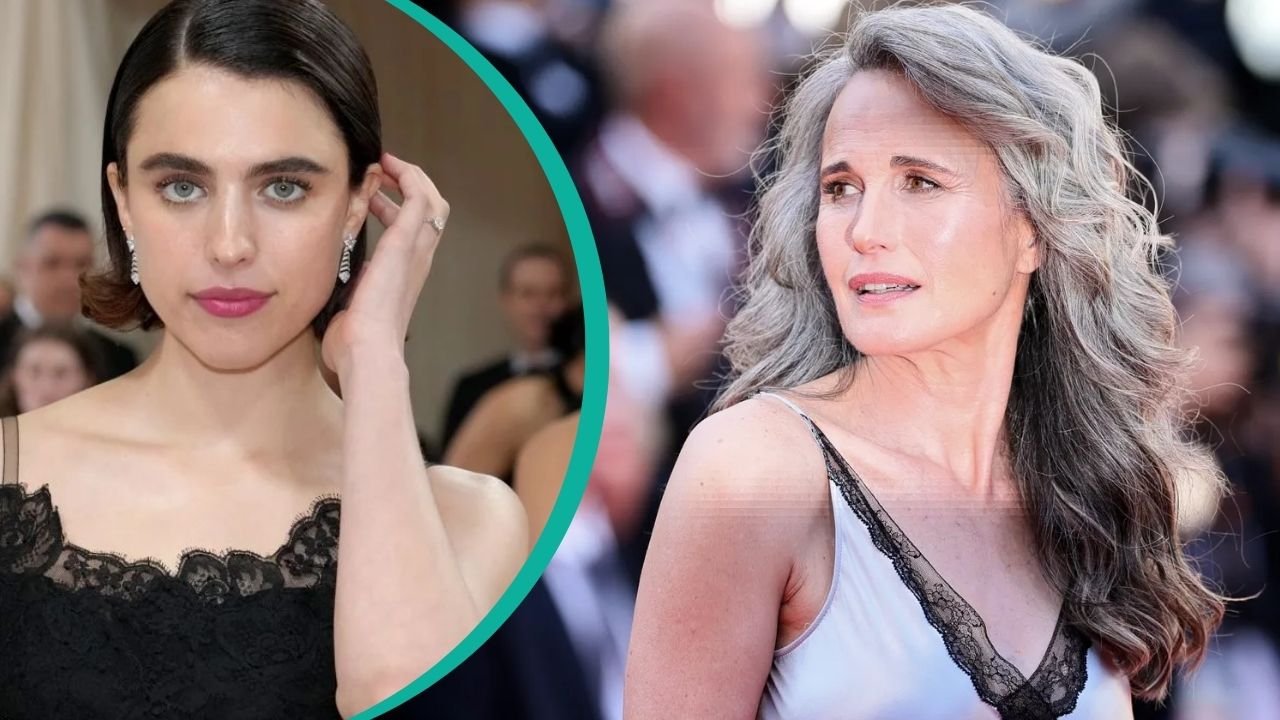
Public curiosity about celebrity families often goes far beyond simple genealogy. Audiences want to understand the personal histories, influences, and emotional foundations that shape a performer’s career and public identity. In the case of Margaret Qualley, interest in her family background is especially strong because her upbringing connects two generations of Hollywood talent. As the daughter of Andie MacDowell, Margaret’s story naturally invites questions about legacy, mentorship, independence, and the subtle ways family dynamics influence artistic development.
Understanding Margaret Qualley’s family background is not simply about identifying famous relatives. Rather, it provides insight into how environment, exposure, and personal relationships contribute to professional growth. While many viewers recognize Margaret from acclaimed performances in film and television, her path into acting reflects a complex mix of personal ambition, creative curiosity, and family influence. Importantly, her journey demonstrates how children of well-known actors often navigate a delicate balance between inherited visibility and the desire to establish an independent identity.
This article explores what is publicly known about Margaret Qualley’s mother, her family structure, and the broader context surrounding her upbringing. Instead of focusing on speculation or gossip, the goal is to present a respectful, informative look at the family relationships that helped shape one of Hollywood’s most compelling contemporary performers.
Details Summary Table
| Detail | Information |
|---|---|
| Full Name | Margaret Qualley |
| Mother | Andie MacDowell |
| Father | Paul Qualley |
| Mother’s Profession | Actress, Model |
| Known For (Mother) | Film and Television Career |
| Siblings | Rainey Qualley, Justin Qualley |
| Family Background | Entertainment and Modeling |
| Industry Influence | Strong creative exposure |
Who Is Margaret Qualley’s Mother?
Margaret Qualley’s mother, Andie MacDowell, is a widely recognized figure in film and television. Rising to prominence in the late twentieth century, MacDowell built a career defined by versatility, charm, and longevity. Her performances in romantic comedies, dramas, and independent films earned both commercial success and critical respect. Over time, she became associated with a distinctive screen presence that blended warmth, intelligence, and emotional accessibility.
MacDowell’s career trajectory reflects a classic Hollywood success story. Beginning as a model, she transitioned into acting and steadily gained recognition through high-profile projects. Her work resonated with audiences globally, establishing her as a familiar and trusted performer across decades. Consequently, Margaret Qualley grew up observing not only the glamour associated with entertainment but also the discipline, persistence, and professional demands behind the scenes.
However, defining Andie MacDowell solely by her celebrity status would oversimplify her influence. For Margaret, MacDowell represented both a public figure and a parent navigating everyday responsibilities. Interviews and public appearances suggest that MacDowell maintained a grounded approach to family life despite industry pressures. This combination of professional visibility and personal stability often becomes a central theme in discussions about Margaret’s upbringing.
The Impact of Growing Up With a Famous Parent
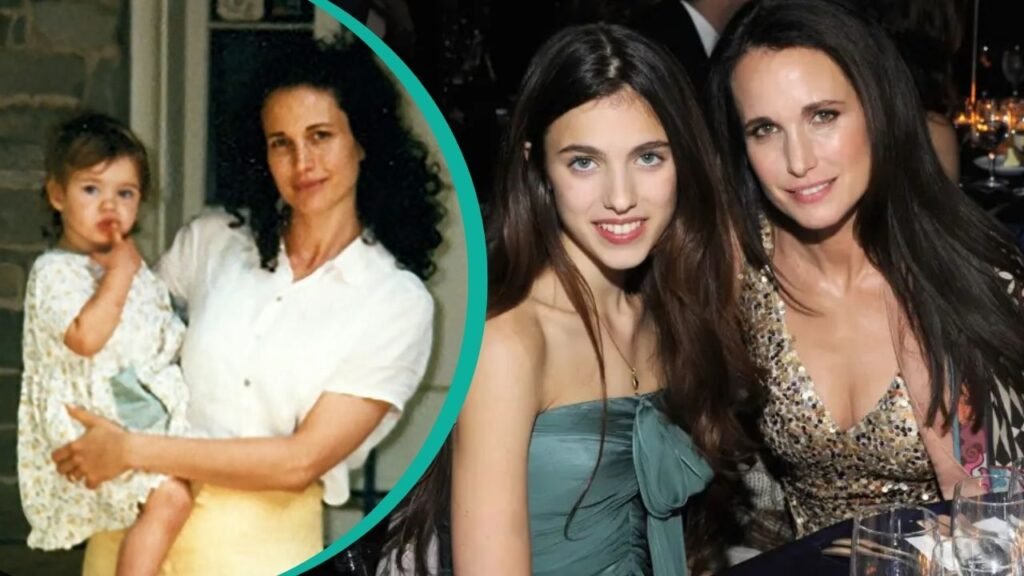
Children raised in entertainment-oriented households often experience a unique blend of opportunity and scrutiny. Exposure to creative environments can foster artistic curiosity, yet public attention may create expectations or assumptions. Margaret Qualley’s childhood illustrates this dynamic clearly. Growing up with a well-known actress meant access to cultural experiences, industry conversations, and creative networks. At the same time, it required navigating public perception and comparisons.
Importantly, Margaret did not immediately pursue acting. Early in her life, she developed a strong interest in ballet and trained seriously in dance. This decision highlights a crucial aspect of her development. Rather than stepping directly into her mother’s profession, she explored a distinct artistic discipline that demanded its own rigorous commitment. Ballet training emphasizes precision, physical endurance, emotional expression, and resilience. These qualities later translated effectively into her acting career.
This trajectory suggests that while family influence provided exposure, Margaret’s professional choices reflected personal interests and evolving ambitions. Many observers note that her transition from dance to acting did not appear forced or predetermined. Instead, it emerged gradually, aligning with her growing creative curiosity.
Andie MacDowell’s Role as a Parent
Public discussions about celebrity parents often oscillate between idealization and criticism. Yet available information about Andie MacDowell’s parenting style presents a more balanced picture. MacDowell has frequently spoken about prioritizing family stability, emotional support, and personal growth for her children. Rather than framing fame as the defining family characteristic, she has emphasized values such as independence, self-confidence, and authenticity.
Margaret Qualley’s interviews often reflect a tone of respect and appreciation when referencing her mother. She has acknowledged the benefits of growing up in a creative household while also highlighting the importance of developing her own voice. This balance suggests a parental approach that encouraged exploration rather than imposing a fixed career path.
Moreover, MacDowell’s long-standing career likely offered Margaret practical insights into the realities of entertainment. Observing auditions, filming schedules, professional setbacks, and public engagement would have provided a nuanced understanding of the industry. Consequently, Margaret entered acting with awareness rather than naive idealism.
Margaret Qualley’s Father and Family Structure
Margaret Qualley’s father, Paul Qualley, contributes another important dimension to her family background. Paul Qualley worked as a model and later pursued business ventures. While he maintained a lower public profile compared to MacDowell, his professional background still connected the family to creative and visual industries.
Margaret’s parents eventually separated, a reality that shaped aspects of her upbringing. Discussions of family transitions require sensitivity, particularly when addressing private matters. Publicly available information indicates that Margaret maintained relationships with both parents. Many performers with similar experiences describe how navigating blended family dynamics fosters adaptability, emotional awareness, and resilience.
Family structure plays a subtle yet meaningful role in personal development. Exposure to diverse perspectives, environments, and experiences often contributes to broader emotional intelligence. Margaret Qualley’s performances frequently display a depth and complexity that some observers attribute partly to her varied life experiences.
Siblings and Creative Environment
Margaret Qualley shares her family background with siblings Rainey Qualley and Justin Qualley. Rainey Qualley, known professionally as Rainsford in music, pursued creative endeavors in acting and music. This shared artistic inclination reinforces the idea of a household rich in creative exposure.
Growing up alongside siblings engaged in artistic pursuits can shape personal ambition in powerful ways. Rather than fostering competition, such environments often generate mutual understanding and shared exploration. Observing a sibling’s creative journey may inspire experimentation, risk-taking, and collaborative thinking.
Importantly, each sibling appears to have developed distinct professional identities. This pattern suggests that the family environment encouraged individual expression rather than replication of a single career model.
Hollywood Legacy and Individual Identity
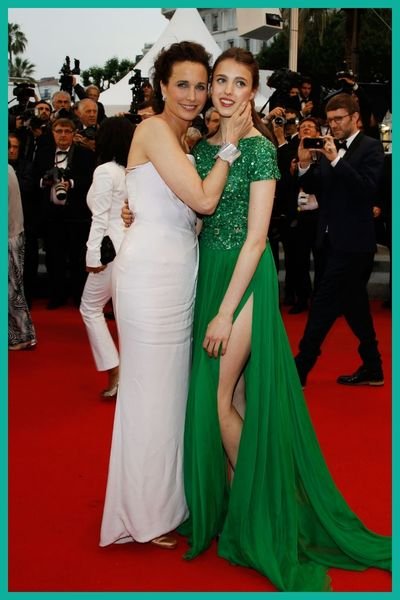
The concept of Hollywood legacy often sparks debate. Some argue that industry connections provide unfair advantages, while others emphasize the challenges of navigating inherited expectations. Margaret Qualley’s career illustrates the complexity of this discussion. While family visibility likely facilitated initial opportunities, sustaining a successful career requires talent, discipline, and audience resonance.
Margaret’s performances have earned critical acclaim independent of her family background. Her roles frequently showcase emotional subtlety, physical expressiveness, and character depth. These qualities suggest artistic development grounded in personal skill rather than mere association.
Furthermore, Margaret has consistently selected projects that emphasize creative diversity. By engaging in independent films, mainstream productions, and experimental storytelling, she has demonstrated a commitment to artistic exploration rather than reliance on familiar industry pathways.
Public Perception Versus Personal Reality
Celebrity narratives often simplify complex human experiences. Audiences may assume that growing up with a famous parent guarantees privilege or ease. Yet many performers emphasize that visibility introduces distinct pressures. Comparisons, expectations, and public scrutiny can shape self-perception and career decisions.
Margaret Qualley’s public persona reflects thoughtful awareness of this dynamic. Interviews often highlight themes of gratitude, humility, and independence. Rather than framing her background as a defining advantage, she tends to acknowledge it as one element within a broader personal journey.
This perspective resonates with contemporary discussions about identity formation in high-visibility environments. Individual growth frequently depends on navigating inherited narratives while cultivating authentic self-expression.
The Influence of Early Artistic Training
Margaret Qualley’s ballet background deserves particular attention when examining family influence. Dance training instills discipline, patience, and emotional communication through movement. These skills often enhance an actor’s physical presence, body awareness, and expressive range.
Transitioning from ballet to acting reflects adaptability and creative evolution. While ballet demands precision and structure, acting encourages interpretive flexibility. Margaret’s ability to integrate these contrasting artistic frameworks contributes to her distinctive screen presence.
Importantly, this journey underscores that family influence does not dictate artistic direction. Instead, it may provide an environment that nurtures exploration across disciplines.
Career Development and Professional Recognition
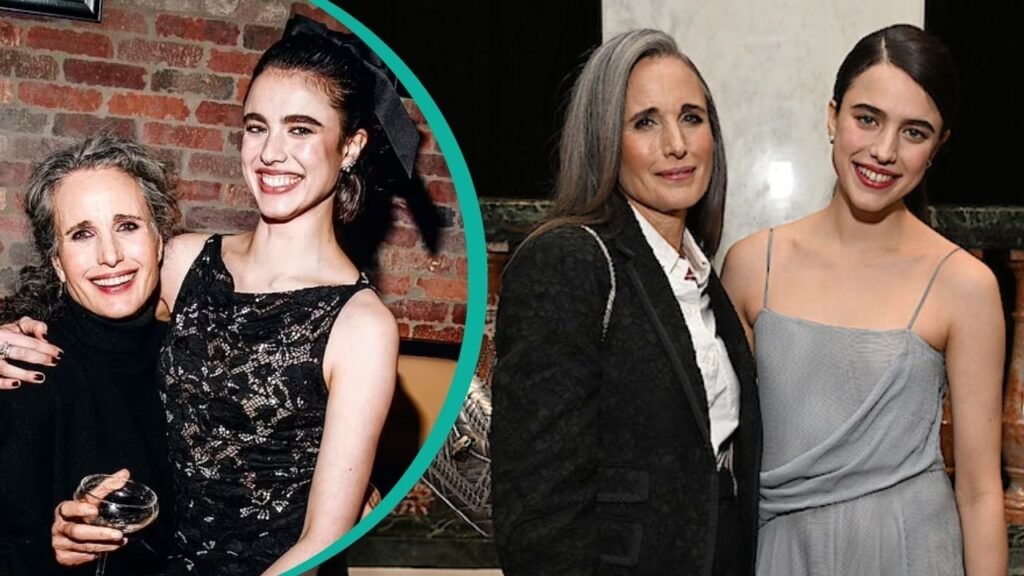
Margaret Qualley’s career progression reflects steady growth rather than abrupt emergence. Early roles gradually expanded into more complex and prominent performances. Critics frequently highlight her ability to convey layered emotional states with subtlety and authenticity.
Professional recognition ultimately validates artistic capability. Awards, nominations, and critical praise reflect industry acknowledgment beyond familial association. Margaret’s achievements demonstrate how performers with recognizable backgrounds can establish independent credibility through consistent excellence.
Media Interest in Celebrity Families
Media fascination with celebrity families remains a persistent cultural phenomenon. Audiences often seek narratives that connect personal history with professional success. However, responsible coverage requires distinguishing between informative context and intrusive speculation.
Margaret Qualley’s family background offers legitimate interest because it intersects with broader themes of artistic legacy, mentorship, and identity formation. When discussed respectfully, such exploration enriches understanding rather than reducing individuals to relational labels.
Conclusion
Margaret Qualley’s family background represents more than a simple celebrity lineage. It reflects a layered narrative involving artistic exposure, personal exploration, disciplined training, and independent identity formation. While Andie MacDowell’s career undoubtedly shaped aspects of Margaret’s environment, Margaret’s professional success emerges from her own talent, choices, and dedication.
Understanding her family context provides valuable perspective on the interplay between upbringing and artistic development. However, it also reinforces an essential truth. Legacy may open doors, yet sustained achievement depends on individual capability. Margaret Qualley’s career illustrates this balance with clarity and authenticity.
FAQs
Who is Margaret Qualley’s mother?
Margaret Qualley’s mother is Andie MacDowell, a well-known actress and former model recognized for her extensive film and television career. MacDowell’s professional achievements established her as a prominent Hollywood figure across multiple decades.
Did Margaret Qualley start acting because of her mother?
Margaret Qualley initially pursued ballet before transitioning into acting. While growing up in a creative household likely influenced her artistic interests, her career path reflects personal exploration rather than direct inheritance.
Who is Margaret Qualley’s father?
Margaret Qualley’s father is Paul Qualley, a former model and businessman. Although he maintained a lower public profile than MacDowell, his background contributed to the family’s creative environment.
Does Margaret Qualley have siblings?
Yes, Margaret Qualley has siblings including Rainey Qualley and Justin Qualley. Rainey Qualley is also involved in creative industries, particularly music and acting.
How has Margaret Qualley established her own identity?
Margaret Qualley has built an independent career through diverse roles, critical acclaim, and artistic versatility. Her performances demonstrate talent and dedication beyond familial association.
VISIT MORE : Circle Magazine